
AI news ·
OpenAI weighs slowing release of advanced AI models
OpenAI may slow its advanced AI model releases as CEO Sam Altman weighs safety concerns with rival labs.
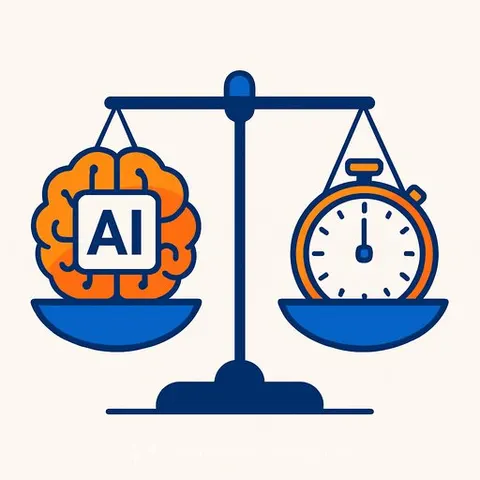
OpenAI weighs slower release schedule for advanced models
OpenAI is considering moderating the pace of its advanced AI model releases, chief executive Sam Altman told employees during an internal meeting. The shift signals growing caution inside the ChatGPT maker as safety concerns mount across the industry.
Altman said the company could slow development in coordination with other laboratories, though he acknowledged that some rivals may decline to join any shared agreement. The discussion follows internal pressure from OpenAI's own staff, including chief scientist Jakub Pachocki, who recently urged industry players to work together to slow future releases where necessary.
Safety concerns drive the conversation
OpenAI has already decelerated parts of its model development pipeline and paused specific internal training processes due to safety considerations. The company declined to comment on the internal staff meeting when approached for a statement.
Conversations between tech executives and government officials have also intensified in recent months. Altman previously disclosed holding discussions with White House officials about the necessity of pacing progress in the sector. For IT and development teams tracking OpenAI's trajectory, these signals matter when planning infrastructure and skill investments around future model capabilities. Professionals can find relevant training through OpenAI Courses to stay current with the platform's evolving roadmap.
Competitive pressure complicates coordination
The prospective deceleration highlights ongoing friction between commercial momentum and safety protocols across Silicon Valley. Major developers face significant competitive pressure, making coordinated industry pauses technically and economically complex to implement.
Employee concerns about rapidly advancing autonomous systems are not unique to OpenAI. Staff at multiple major technology companies have voiced similar worries about the hazards posed by systems that outpace safety measures. The tension is structural: companies that slow down risk losing ground, while those that accelerate accept greater risk.
Why this matters for IT and development professionals
If OpenAI slows its release cadence, development teams get more time to build stable integrations and avoid churn from frequent model updates. But it also means competitors may fill the gap, forcing teams to evaluate a broader set of vendors. You should monitor official OpenAI announcements and avoid locking architecture decisions to capabilities that haven't shipped yet. The AI for IT & Development resources on Complete AI Training can help you assess which skills to prioritize as the release landscape shifts.