
AI news ·
Paul McCartney, Dua Lipa Lead Call to Protect Artists’ Copyright Against AI Use in UK
Paul McCartney, Dua Lipa, and 400+ UK creatives oppose a plan allowing AI to use copyrighted works without permission. They urge fair compensation to protect creators' livelihoods.
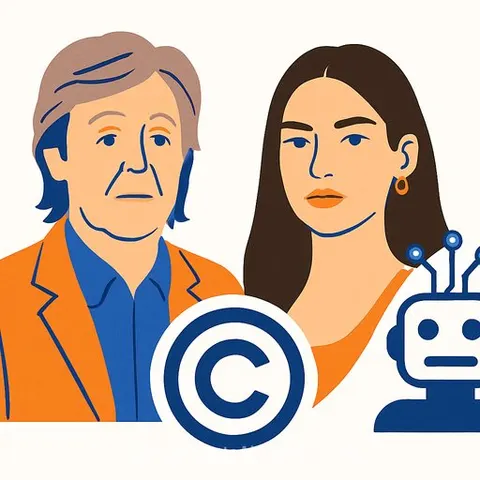
Paul McCartney, Dua Lipa and UK Creatives Unite Against AI Copyright Proposal
More than 400 artists and organisations from across the UK’s creative sectors—including Paul McCartney, Dua Lipa, Coldplay, Ian McKellen, and the Royal Shakespeare Company—have raised concerns about a government plan that could allow AI companies to use copyrighted works without explicit permission.
They warn that this move risks undermining the livelihoods of creators and damaging the UK’s standing as a global creative leader. Their message to Prime Minister Keir Starmer is clear: don’t "give our work away" to big tech companies.
Why Copyright Matters to Creators
Copyright is described as the “lifeblood” of creative professions. The letter highlights that allowing AI firms unrestricted access to copyrighted material without proper controls threatens future income streams and the cultural influence of UK creatives.
“We will lose an immense growth opportunity if we give our work away at the behest of a handful of powerful overseas tech companies,” the letter states. It stresses the importance of safeguarding creative rights to protect the economy and the values embedded in UK law.
The Proposed Amendment and What It Means
The artists support a specific amendment to the data bill proposed by cross-bench peer Beeban Kidron. This amendment would require AI companies to disclose which copyrighted works they include when training their models.
This transparency would help ensure creators are properly compensated through licensing agreements. The amendment is set for a House of Lords vote soon, though the government currently opposes it, favoring a consultation process instead.
Concerns Over the Opt-Out System
The government’s current plan allows an “opt-out” where copyright holders can indicate they do not want their work used by AI—though the method for opting out remains unclear.
Giles Martin, a music producer and son of Beatles producer George Martin, points out that this approach could be impractical for emerging artists. He notes that creatives typically focus on making their work, not policing how it’s used.
Voices from the Creative Community
- Signatories include iconic figures like Elton John, Kazuo Ishiguro, Annie Lennox, and institutions such as the National Theatre and News Media Association.
- Beeban Kidron emphasises the need to protect the next generation of creators and innovators by ensuring fair compensation.
- Supporters argue that licensing will help balance AI development with the rights of original creators.
Government’s Position and Options
The government plans an economic impact assessment and considers four options:
- Maintain the current system without change
- Implement an opt-out system for copyright use
- Require AI companies to obtain licenses for copyrighted works
- Allow AI use of copyrighted works with no opt-out
A spokesperson stated that no policy changes will proceed unless they clearly benefit creators and the creative industries.
What Creatives Should Know
For those working in music, theatre, literature, and other creative fields, this debate directly impacts how your work may be used by AI technologies. Understanding rights and staying informed about legislative changes is essential to protect your creations.
If you want to learn more about how AI intersects with creative work and copyright, resources like Complete AI Training offer courses tailored for creatives navigating AI tools and copyright issues.