
AI news ·
Public relations adopts 'dark arts' to suppress corporate scandals before they surface
PR has shifted from a back-office function to the front line of corporate defense, using AI and "dark arts" to kill scandals before they surface. The same tools that empower these teams also arm adversaries, making the job faster, more data-driven, and ethically fraught.
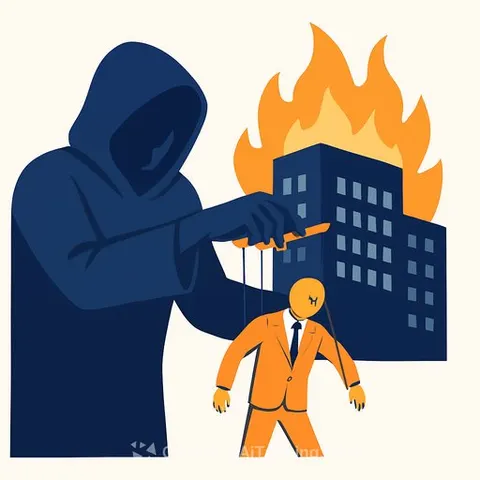
Public relations has moved from the industry's "poor cousin" to the front line of corporate defence. In an era defined by crisis, disinformation and artificial intelligence, PR teams are now using what one industry observer calls "dark arts" to kill off scandals before they ever reach the public.
The shift marks a renaissance for a profession once overshadowed by marketing budgets and brand campaigns. But the same forces driving PR's new influence - rapid AI adoption, fragmented media and a 24-hour news cycle - are also creating tougher conditions for the practitioners wielding them.
The new toolkit
Modern PR work now includes pre-emptive reputation management that identifies vulnerabilities and neutralises them early. This is a marked departure from the traditional reactive model, where teams scrambled to contain damage after a story broke.
AI tools have accelerated this change. They allow communications teams to monitor sentiment across platforms in real time, flag emerging narratives and model the likely fallout of a story before it publishes. The result is a discipline that is faster, more data-driven and far less forgiving of mistakes.
Professionals looking to build these capabilities can find structured training through an AI Learning Path for Public Relations Specialists, which covers the practical applications of AI in reputation management and crisis response.
Why the pendulum swings back
The same technology that empowers PR teams also arms their adversaries. Disinformation campaigns are cheaper to run, harder to trace and more convincing than ever. Corporate scandals now emerge from manipulated videos, fabricated documents and coordinated social media attacks that spread faster than any press release.
This asymmetry puts PR professionals in a difficult position. They are expected to prevent crises that may never materialise, respond to attacks that may be entirely fabricated and do both without crossing ethical lines. The "dark arts" label reflects a growing unease about how far the profession is willing to go.
For communicators navigating this environment, ongoing education is essential. Resources tailored to the field, such as AI for PR & Communications, offer practical guidance on using AI responsibly while staying ahead of reputational threats.
A tougher road ahead
The renaissance will not be comfortable. As AI continues to reshape how information is created, distributed and consumed, PR teams will face pressure to deliver results faster, with less margin for error and under greater public scrutiny of their own tactics.
The profession's new influence comes with a warning: the same tools that allow PR to prevent scandals can also be used to manufacture them. The practitioners who thrive will be those who combine technical skill with clear ethical judgment.
Why this matters for PR and communications professionals
For PR and communications teams, the stakes are immediate. The ability to identify and neutralise a reputational threat before it breaks is now a core job function, not a specialist niche. Those who master AI-driven monitoring and crisis modelling will have a clear advantage over colleagues still relying on traditional media relations.
At the same time, the ethical questions raised by these new tactics will not go away. Every PR professional needs a personal framework for deciding where prevention ends and manipulation begins. That judgment - not the technology itself - will define the next era of the profession.