
AI news ·
Schools spend billions on AI without measurable impact
U.S. schools are spending billions on AI tools with little evidence they improve learning, per Education Week. Districts in Utah and Los Angeles now require educators to justify AI purchases as vendors face pressure to prove results.
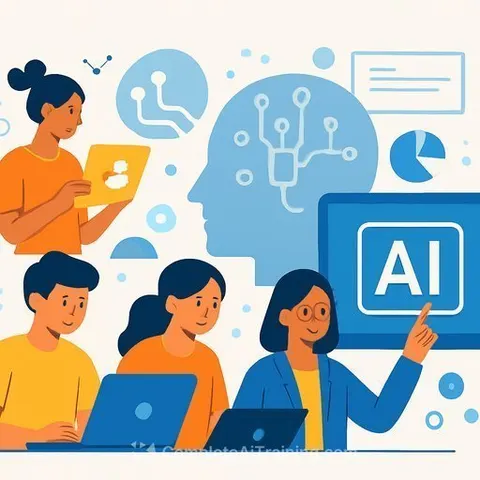
Schools across the U.S. are spending billions on artificial intelligence tools without clear evidence that the technology improves learning outcomes, according to a report from Education Week. The gap between spending and measurable results has pushed districts in Utah and Los Angeles to enforce stricter guidelines on how teachers and students use AI in classrooms.
The findings point to a credibility problem for education technology suppliers. Districts are increasingly asking vendors to prove educational value before renewing contracts, and companies that can't demonstrate results are losing ground. For educators, the takeaway is straightforward: demand evidence before adopting new tools, and look for training that helps teachers use AI effectively rather than just adding another platform to the stack.
Schools struggle to show AI works
Education Week's reporting shows that while AI products have flooded into school districts, administrators lack the data to know whether the tools actually help students learn. The report found that districts are spending heavily on AI-powered tutoring, writing assistants, and administrative tools, but few have systems in place to measure academic impact.
Utah and Los Angeles have responded by tightening their policies on AI usage, requiring educators to justify why specific tools are necessary. That shift puts pressure on vendors to produce evidence of efficacy, not just feature lists. For teachers, the practical question is whether AI tools reduce workload and improve instruction - and whether they've been trained to use them that way. An AI Learning Path for Teachers can help educators build those skills while districts evaluate what's worth buying.
IPMX gains ground in AV and broadcast
The AIMS Alliance added Bolin Technology and ITDev as members, expanding the IPMX standard's capabilities with PTZ cameras and FPGA designs. IPMX, or Internet Protocol Media Experience, is a suite of open standards for routing video, audio, and data over IP networks, designed to support professional AV and broadcast operations.
The new memberships signal that IPMX is moving closer to mainstream adoption. AV and broadcast operators should prepare their infrastructure for IP-based workflows, which allow interoperability between vendors and reduce reliance on proprietary hardware. The shift away from hardware-based systems toward flexible, scalable IP solutions is already underway, and organizations that upgrade early will have an easier transition.
AI-driven credit checks reshape B2B checkout
Companies like Builders FirstSource and Xometry are integrating AI into their B2B checkout processes, according to Digital Commerce 360. The AI systems handle credit checks in real time, making transactions faster and reducing friction for buyers who previously had to wait for manual approval.
Embedded credit systems are becoming a competitive advantage in B2B sales. Sellers who adopt AI-driven checkout can close deals faster and improve customer satisfaction, while those who stick with manual processes risk losing business to more efficient competitors. The trend also raises the bar for what buyers expect from their vendors: instant approvals, transparent pricing, and a checkout experience that feels as smooth as consumer e-commerce.
Why this matters for educators
The education sector's AI spending problem is a warning for anyone making technology purchases. Mark Sullivan, president of the AIMS Alliance, put it bluntly: "Every dollar spent on a piece of tech without evidence of its efficacy is a dollar we might as well have burned."
For educators, that means treating AI tools like any other instructional resource: pilot them, measure outcomes, and scale only what works. It also means investing in professional development so teachers know how to use AI effectively in the first place. The AI for Education resources available through Complete AI Training offer a starting point for educators who want to build those skills while the industry figures out what actually works.