
AI news ·
Sublime 2024 examines artificial intelligence as a tool for creative industries
Creative industries make up 3.1% of global GDP and 6.2% of jobs worldwide. AI should be treated as a controllable tool, not a threat, with responsibility resting on the user.
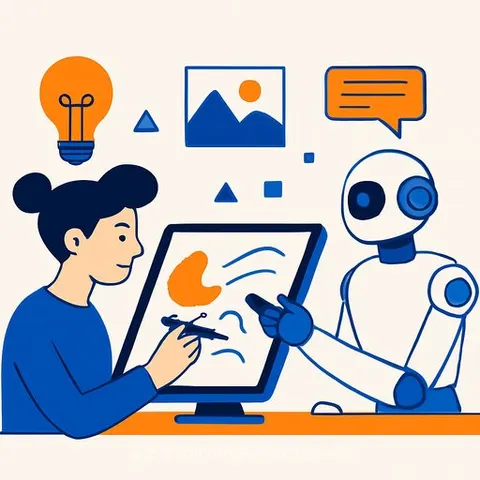
At the Sublime 2024 event in Guadalajara, Jalisco, University of Guadalajara (UDG) academic Gabriel Torres Espinoza pointed to the economic weight behind the debate: creative industries account for 3.1% of global GDP and 6.2% of jobs worldwide. The October 14 opening session focused on treating artificial intelligence as a tool to strengthen that sector, not as a threat to the people working in it.
A tool, not an agent of change
Speakers aligned on a central message - AI carries no inherent agency. Filmmaker Enrique Figueroa said AI "is a tool that must be used responsibly," adding that the real challenge remains the creative process itself. Xavier Careaga, an expert in AI and technology regulation, reinforced that while the technology is not new, it needs deeper examination to keep it in its place as an instrument rather than a replacement for human creativity.
Torres Espinoza stressed the urgency of analyzing AI's role now, as the sector's economic footprint makes the stakes concrete. The conversation avoided abstract warnings and stayed fixed on practical integration. For professionals already working in visual arts, film, or design, the session offered no predictions of obsolescence - just a call to treat new tools with the same critical eye applied to any other piece of production equipment.
Responsibility sits with the user
Figueroa's framing put the burden on practitioners. A tool does not dictate ethics or output quality; the person wielding it does. That distinction matters in an industry where authorship and craft carry legal and cultural weight. Careaga's regulatory perspective added a structural layer - rules can guide use, but they cannot replace individual judgment on a project or a deadline.
For creatives exploring Generative Art, this means the conversation is less about what AI can produce and more about how an artist chooses to direct it. The technology can generate variations quickly, but the selection, refinement, and final call remain human decisions.
Why this matters for creatives
The GDP and employment figures shared at Sublime 2024 make one thing clear: creative work is a major economic force, not a niche. When a sector that large debates a technology, the outcomes affect contracts, budgets, and job descriptions. Understanding AI as a controllable tool - and being able to articulate that position to clients or employers - is becoming a baseline expectation. Resources that explain AI for Creatives can help professionals separate practical applications from the noise, so they can adopt what works and ignore what doesn't.