
AI news ·
Synthetic Empathy in AI: Building Trust or Creating Uncanny Customer Experiences
AI mimics empathy to improve customer interactions, easing frustration and boosting engagement. But overdoing it risks making AI feel insincere and harming trust.
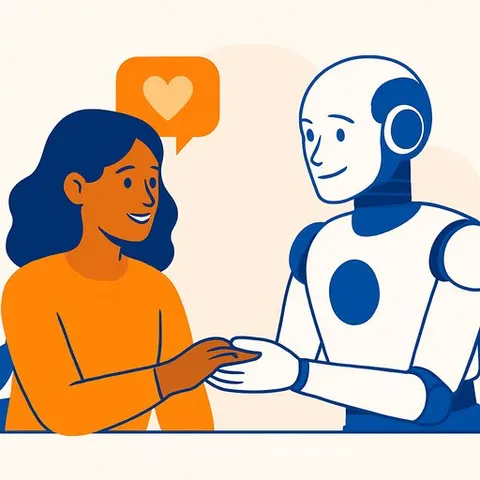
AI now has synthetic empathy with consumers: Breakthrough or problem?
AI-powered customer interactions are becoming more human-like. Businesses are adopting emotionally intelligent AI to improve customer experience, with the market expected to reach $13.8 billion by 2032. But as AI takes on a bigger role in support, marketing, and finance, companies need to consider: Does simulating empathy build trust, or does it risk making AI interactions feel artificial?
Picture this: a customer chats with an AI assistant about a delayed package. They ask, “Where’s my order? It was supposed to arrive yesterday.” The chatbot replies, “I completely understand how frustrating this must be for you. Your time is valuable, and I truly feel for you.” It sounds polite and sympathetic, but something feels off. The AI doesn’t actually feel frustration or value the customer's time—it’s simply following a programmed script designed to sound empathetic.
This is what’s called synthetic empathy—when AI mimics emotional intelligence without genuinely understanding emotions. It can be convincing enough to make users feel heard, but is that always positive? Used strategically, synthetic empathy can smooth interactions and increase engagement. Overdone, it feels forced—like an AI trying too hard to be human. Businesses should embrace this technology cautiously, knowing exactly where it adds value.
How AI creates synthetic empathy
Emotional intelligence in humans means recognizing, processing, and responding to emotions appropriately. It makes conversations feel natural and effective. Our brains generate emotions through complex physical and psychological processes involving various brain regions.
AI, however, doesn’t experience emotions. It predicts the most appropriate response based on data patterns. Through sentiment analysis, natural language processing (NLP), and conversational training, AI detects frustration, adjusts tone, and mirrors emotional cues. This makes interactions feel personal, even when no real understanding exists.
Synthetic empathy is AI replicating emotional intelligence well enough for users to believe they’re being understood. When done right, it can make customer interactions smoother, more engaging, and help de-escalate tense situations. But there’s a fine line between enhancing conversations and making them feel uncanny or manipulative.
When should businesses use synthetic empathy?
Not every AI interaction needs emotional intelligence. Sometimes, adding perceived empathy enhances experience. Other times, it feels unnecessary or unsettling. Businesses must decide where synthetic empathy adds value and where AI should stay purely functional.
AI works well in customer service. For example, if a customer says, “My item was damaged. This is really frustrating,” an empathetic AI response like, “I completely understand how disappointing that must be. I’ll process a replacement for you right away,” acknowledges the frustration and offers a solution. This feels helpful, not intrusive.
But in financial services, synthetic empathy can miss the mark. For instance:
- Applicant: “Why was my loan denied?”
- AI response: “I know this is disappointing. Let’s talk through how you’re feeling about it.”
This feels tone-deaf. People in financial distress need clear answers, not forced empathy.
Where synthetic empathy works best
- Customer support agents – Detect frustration and adjust tone to de-escalate situations.
- Hospitality and travel booking AI – Acknowledge preferences and emotions to improve experience.
- Wellness and mental health apps – Mirror understanding while maintaining clear boundaries.
Where synthetic empathy doesn’t work well
- Financial advising and legal services – Must remain factual, not emotionally suggestive.
- Routine transactions (e.g., payroll, invoices) – Efficiency matters more than emotional engagement.
- High-stakes interactions – False empathy in medical diagnoses can create ethical issues.
How businesses can reduce risks with synthetic empathy
As companies deploy more complex AI-driven interactions, they need clear boundaries for synthetic empathy use. Overuse risks making AI seem insincere or manipulative, damaging trust instead of improving experience.
3 ways to use synthetic empathy effectively
- Match empathy to context
Not every interaction needs emotion. AI should recognize when empathy helps (e.g., complaints, frustration) and when it doesn’t (e.g., order confirmations). Design AI to adjust tone by situation. - Be transparent
Users don’t need full disclaimers, but misleading them into thinking AI has emotional depth can backfire. Brands should decide when AI should feel seamless and when customers should know they’re talking to a bot. - Deliver empathy with solutions
Showing sympathy without offering help creates an awkward experience. If AI expresses understanding, it must also resolve the issue.
Finding the right balance with synthetic empathy
AI isn’t here to replace human connection in customer service. It’s here to support better interactions. When synthetic empathy is overused, it shifts from helpful to a thinly veiled performance. Customers don’t need AI to care—they need it to be clear, efficient, and unobtrusive.
The true success of synthetic empathy isn’t whether AI sounds emotionally caring, but whether it helps businesses deliver smarter, faster, and more effective interactions—something human support alone can’t always achieve.
For customer support professionals looking to deepen their skills with AI tools, consider exploring specialized courses on AI-driven customer experience here.