
AI news ·
UK Lords warn: weakening AI copyright puts £124B creative sector at risk
UK peers warn against weakening copyright for AI, saying it risks a £124B creative engine. They want credit, pay, and no free TDM-protect artists over big AI firms.
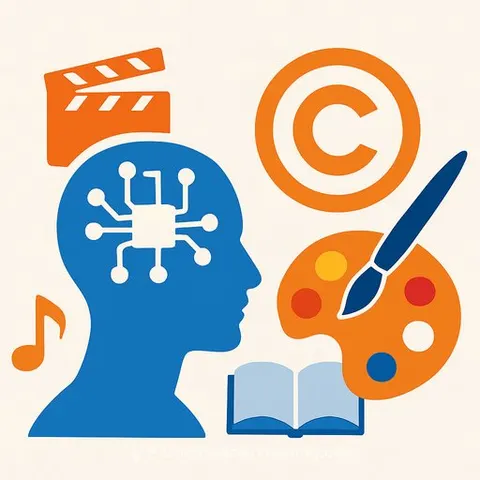
UK peers warn: don't trade creators for AI promises
Britain's House of Lords Communications and Digital Committee has a blunt message: weaken AI copyright law and you punch a hole in a £124B creative sector. The committee says letting model builders ingest copyrighted work without credit or pay would shift value to a few US firms while British creators take the hit.
Creative industries added £124B to the UK economy in 2023 and employ 2.4 million people. By comparison, the AI sector contributed £12B in 2024 with 86,000 jobs. The math is simple: protect the engine that already works while you build what's next.
What the committee wants
- No new commercial text and data mining (TDM) exception with an opt-out for training AI models. Opt-out sounds fair on paper, but it undercuts licensing and gives all the leverage to model builders.
- Stronger protections against unauthorized digital replicas and "in the style of" uses that siphon jobs and income from living artists.
- Clear direction that creators should be credited and paid when their work trains commercial AI.
Committee chair Baroness Barbara Keeley put it plainly: "Our creative industries face a clear and present danger from uncredited and unremunerated use of copyrighted material to train AI models... Watering down the protections in our existing copyright regime to lure the biggest US tech companies is a race to the bottom... We should not sacrifice our creative industries for AI jam tomorrow."
The legal fight: TDM and licensing
The report is skeptical of a new TDM exception for AI training. It argues it would harm rightsholders and stall the emerging licensing market. That market is how photographers, musicians, authors, and publishers get paid for the value their catalogs bring to model quality.
There are signs the government's stance is softening. A 2024 consultation floated TDM exceptions for AI, but backlash from music, media, and arts has reportedly delayed changes. More than 400 industry figures backed an amendment to the Data (Use and Access) Bill to force transparency over what models ingest, with support from Paul McCartney, Elton John, Coldplay, Richard Curtis, Antony Gormley, and Ian McKellen.
Why this matters to you
- If models learn from your catalog, they can produce close imitations that undercut commissions, syncs, and licensing.
- Without firm rules, creators foot the bill while platforms capture the upside.
- Licensing isn't a nice-to-have-it's the business model that funds the next album, book, shoot, or show.
What creators can do now
- Identify your exposure: list the platforms where your work is public and review their AI training policies.
- Use provenance and protection: apply C2PA/CAI-style metadata where possible; add clear licensing terms to your site and contracts; avoid posting full-res masters where you don't control usage.
- Negotiate AI clauses: ban training use without written permission; require disclosure of any model or synthetic output involved in deliverables.
- Join the record: participate in consultations and trade bodies; add your name to industry letters when they appear.
- Adopt AI on your terms: pick tools with proper licenses; fine-tune only on work you own or have permission to use; keep client data out of third-party training by default.
Useful links
Build a resilient creative practice with AI-without giving away the store
If you want structured guidance on using AI while protecting your catalog, start here: AI for Creatives. Musicians and writers can go deeper with: AI for Vocal Artists & Songwriters.
Bottom line
The committee's message is clear: don't trade a proven £124B sector for vague tech promises. Credit and licensing are non-negotiable. Protect the catalog. Use AI where it helps your craft. And push for rules that pay the people who make the culture everyone else trains on.