
AI news ·
UNESCO Leads Inclusive Dialogue to Shape Ethical AI Policy in Pakistan
UNESCO hosted a dialogue in Islamabad to discuss ethical and inclusive AI policy in Pakistan. Experts emphasized transparency, accountability, and protecting digital rights.
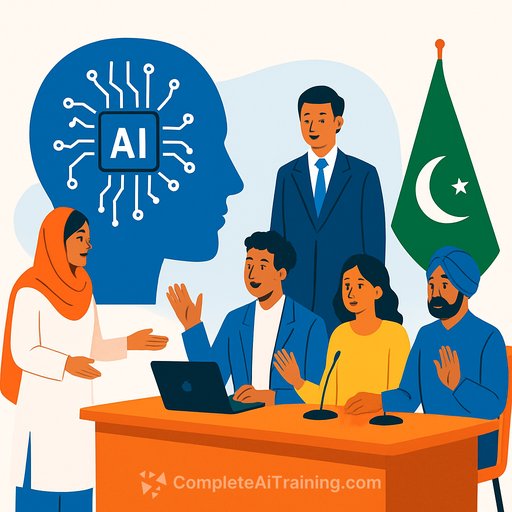
UNESCO Hosts Dialogue to Shape Ethical and Inclusive AI Policy in Pakistan
On 8 May 2025, Islamabad became a hub for critical discussions on the future of Artificial Intelligence (AI) in Pakistan. UNESCO convened a multi-stakeholder dialogue that brought together over 25 experts from government ministries, civil society, academia, and media to focus on ethical and inclusive AI development.
This event coincided with the global observance of World Press Freedom Day 2025, emphasizing the vital connection between AI, media freedom, and journalist rights. The dialogue targeted Pakistan’s draft national AI policy, especially its pillar on creating a Secure AI Ecosystem, aiming to foster transparency, accountability, and protection of digital rights.
Key Focus Areas of Pakistan’s AI Policy
Pakistan’s draft AI policy is structured around five strategic pillars:
- AI Innovation Ecosystem
- Awareness & Readiness
- Secure AI Ecosystem
- Transformation & Evolution
- International Cooperation and Collaboration
The dialogue concentrated on ensuring emerging technologies promote a secure, transparent, and ethical AI ecosystem. Discussions stressed the importance of a human-centered and rights-based approach, reflecting UNESCO’s 2021 global Recommendation on the Ethics of Artificial Intelligence.
Insights and Recommendations
Participants identified gaps in current policies and offered preliminary recommendations. They highlighted the need for AI systems to be:
- Transparent and accountable
- Inclusive, especially regarding vulnerable communities
- Supported by stronger inter-sectoral coordination
- Backed by enhanced institutional capacity for effective implementation
Afke Bootsman, Head of the United Nations Resident Coordinator’s Office in Pakistan, pointed out the importance of guiding AI’s potential with inclusion, equity, and human rights. She reaffirmed the UN’s commitment to ensuring no one is left behind in the digital transformation.
Dr. Aneel Salman, a policy and governance expert, stressed that “a well-crafted policy is essential to use AI for inclusive growth, protect democratic values, and build trust in institutions.”
UNESCO’s Ongoing Commitment
Mr. Antony Kar Hung Tam, Officer-in-Charge of UNESCO Pakistan, confirmed UNESCO’s dedication to supporting Pakistan’s AI policy development. He stressed that the insights from this dialogue will contribute to ethical, inclusive, and sustainable AI strategies that align with the Sustainable Development Goals.
National Professional Officer Hamza Khan Swati connected the dialogue to the theme of World Press Freedom Day. He emphasized the dual role of AI in empowering media freedom while also presenting risks, highlighting UNESCO’s commitment to transparency, accountability, and ethical AI development in media.
Looking Ahead
The outcomes from this dialogue will directly inform ongoing consultations on Pakistan’s draft AI policy. These efforts aim to create a coherent framework that supports ethical AI deployment aligned with the country’s broader digital governance goals.
For IT and development professionals interested in how AI policy intersects with ethical standards and governance, exploring AI courses and certifications can be valuable. Resources like Complete AI Training’s latest courses offer practical knowledge to navigate evolving AI landscapes responsibly.