
AI news ·
US diners recoil as AI-generated menu images make food look unappetizing
Restaurants using AI-generated menu photos to cut costs are driving diners away as synthetic images of leathery meat and plastic sauces erode trust. A 2026 report found 26% of operators already use AI for marketing and menu tasks, but the backlash is forcing some to switch to hand-drawn artwork...
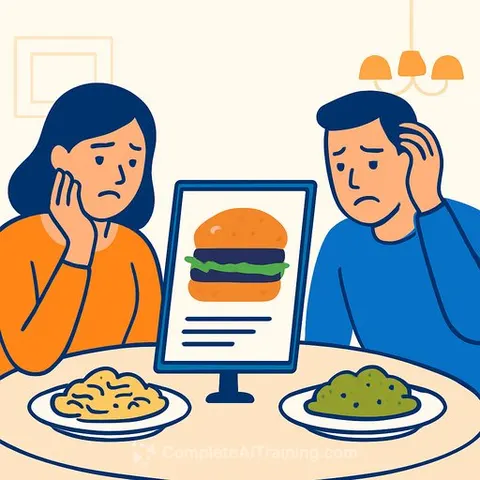
Restaurants are turning to AI-generated menu images to cut costs, but the strategy is backfiring. Diners across the U.S. are recoiling from photos of leathery meat and unnaturally textured dishes, and the synthetic images are eroding trust in the food itself.
When a menu photo looks fake, customers start questioning what arrives on the plate. The problem sits inside a broader industry shift: a 2026 National Restaurant Association report found that 26% of operators already use AI for marketing, inventory management, employee scheduling, menu optimization, and order-taking.
Why texture trips up the machines
AI image generators struggle with food texture - one of the most important signals of freshness and quality. Glossy sauces turn plastic. Proteins look dry and fibrous. The results can make even well-prepared dishes seem unappealing before a customer takes a single bite.
A 2024 study by University of Oxford professor Charles Spence, who researches experimental psychology, found that diners respond more positively to AI-generated food images when they do not know a machine created them. Once they learn the images are AI-generated, they find them less appealing. The shift in perception is immediate and measurable.
The industry response so far
Some restaurants are abandoning synthetic images entirely, opting for hand-drawn artwork instead. Platforms are also beginning to set guardrails. DoorDash said its AI tools are meant to improve existing dish photos by adjusting lighting, color, or background, and its policies prohibit misleading menu images. Certain listings now carry an "AI-enhanced" label.
The tension over menu photos is one part of a larger argument about where AI belongs and where people still expect a human touch. Public anger is rising over job displacement and security risks. Researchers are warning that advanced AI's e-waste is creating new sustainability strains. At a global summit, leaders cautioned that AI could become a normal part of inequality.
In commercial kitchens, systems like Winnow are changing how chefs track waste. Scientists are using next-generation weed control to bring AI into food production. The technology is moving from menus to farms, and consumers are drawing lines about what they will accept.
Why this matters for marketing managers
Menu photos are a conversion tool. When the image fails, the sale fails - regardless of the food's actual quality. Marketing managers in hospitality and food service need to audit any AI-generated imagery against a simple standard: does this make the product look edible? If the answer is no, the cost savings disappear into lost orders and damaged brand trust.
For teams building visual content strategies, AI for Marketing Managers covers campaign optimization and content automation with guardrails that prevent the kind of backlash restaurants are now facing. Understanding where Generative Art works - and where it still fails - is becoming a baseline skill for anyone managing brand imagery in regulated or high-trust categories like food.