
AI news ·
US Researchers Pioneer Therabot to Legitimize AI-Driven Mental Health Care
Dartmouth researchers develop Therabot, an AI tool clinically proven to aid mental health care amid therapist shortages. Trials aim to integrate AI with traditional therapy.
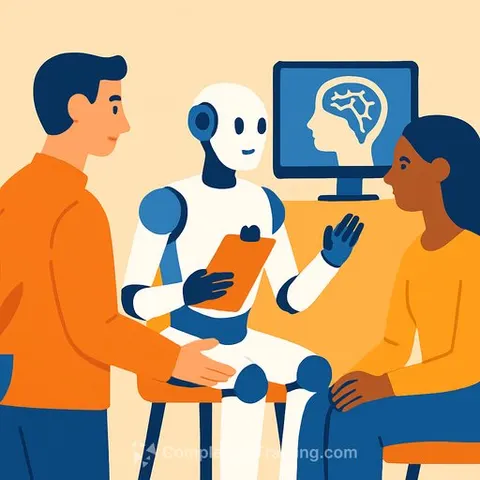
US Researchers Push to Legitimize AI in Mental Health Care
Researchers at Dartmouth College are advancing artificial intelligence as a reliable tool for psychotherapy. Their approach stands apart from the numerous unverified mental health apps currently available. Their AI application, Therabot, aims to address the severe shortage of mental health professionals.
Nick Jacobson, assistant professor of data science and psychiatry at Dartmouth, points out that even if the number of therapists were increased tenfold, demand would still far exceed supply. "We need something different to meet this large need," he explained.
Therabot’s Clinical Validation
The Dartmouth team recently published a clinical study demonstrating Therabot’s effectiveness in helping individuals with anxiety, depression, and eating disorders. This rigorous evaluation differentiates Therabot from many apps that lack scientific backing.
A new clinical trial is planned to directly compare Therabot’s results with traditional therapy methods. This represents a critical step toward integrating AI tools in mainstream mental health care.
Acceptance Within the Medical Community
The medical establishment shows openness to such innovations. Vaile Wright, senior director of health care innovation at the American Psychological Association (APA), envisions "a future where you will have an AI-generated chatbot rooted in science that is co-created by experts and developed for the purpose of addressing mental health."
This reflects a growing recognition that AI can supplement mental health services, particularly where professional resources are stretched thin.
What This Means for Healthcare Professionals
- AI tools like Therabot may soon become part of the mental health care toolkit, offering scalable support to patients.
- Care providers might find such technology useful for extending reach and managing caseloads without compromising quality.
- Ongoing research and trials will clarify the best practices for integrating AI-driven therapy with conventional treatments.
For healthcare professionals interested in AI applications and training in this area, resources are available to develop relevant skills and knowledge. Explore practical AI healthcare courses and certifications at Complete AI Training.