
AI news ·
Wizr AI Automates 70% of Customer Support Inquiries with Generative AI
Wizr AI automates support, resolving 70% of routine tickets with faster replies at scale. It plugs into your stack, triages issues, and escalates sensitive cases to agents.
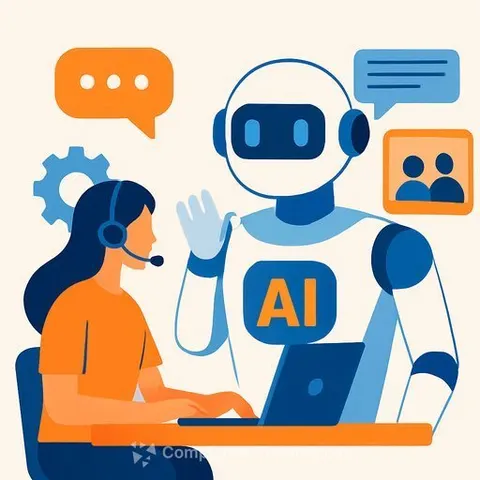
Wizr AI Automates Customer Support with Generative AI
Wizr AI is a customer support automation platform that uses generative AI to handle over 70% of common inquiries. It delivers faster responses, consistent answers, and reliable scale without adding headcount. The system integrates with existing customer service tools, provides real-time assistance, categorizes tickets, and routes complex issues to human agents. The result: less manual work and more time for high-value conversations.
What It Does
- Automated resolutions: Handles FAQs, order updates, returns, account questions, and simple troubleshooting across chat, email, and forms.
- Real-time assistance: An agent copilot suggests replies, pulls knowledge, and recommends next steps to speed up handling time.
- Smart ticketing: Auto-categorizes, prioritizes, and routes tickets to the right queue or specialist.
- Seamless integration: Connects with your existing help desk, CRM, and knowledge base to keep workflows intact.
- Safety and escalation: Uses confidence thresholds, policy checks, and clean handoffs to human agents for sensitive or complex issues.
Why It Matters for Support Leaders
- Cut first response and resolution times while holding the line on quality.
- Increase containment and deflection without hurting CSAT.
- Free agents to handle exceptions, VIPs, and revenue-impacting conversations.
- Standardize tone, policy adherence, and knowledge usage across every interaction.
How to Implement
- Identify the top 15-20 contact drivers and define acceptance criteria for "good" automation.
- Connect your knowledge base, macros, policies, and approved content sources.
- Set escalation logic: confidence thresholds, red-flag intents, and routing paths.
- Pilot in one channel and one region; compare against a control group.
- Review misfires weekly, retrain with real transcripts, and expand in phases.
Metrics to Track
- Containment rate and deflection rate
- First response time and average handle time
- Time to resolution and reopen rate
- Customer satisfaction (CSAT) and sentiment
- Cost per contact and agent throughput
High-Impact Use Cases
- Order status, delivery updates, returns, and refunds
- Billing questions, plan changes, and cancellations
- Password resets, access issues, and basic troubleshooting
- Appointment scheduling and rescheduling
- Proactive notifications for shipping, outages, and maintenance
Trend Themes
- Generative AI in customer service: Automates routine inquiries for faster response times and improved scale.
- AI-driven ticket management: Intelligent categorization and real-time assistance streamline operations.
- Scalable AI-powered support: Teams handle volume spikes without sacrificing service quality.
Industry Implications
- Customer support software: Work shifts from manual triage to supervision and exception handling.
- AI solutions: Providers deliver tools that improve interaction handling and resource allocation.
- Business resource optimization: Companies balance automation with personalized service at scale.
Getting Started Checklist
- Choose 5-10 high-volume intents to automate first.
- Map policies to responses and set guardrails for tone and compliance.
- Define fallbacks for low-confidence answers and sensitive topics.
- Instrument analytics and tag every outcome for learning loops.
- Train agents on AI-collaboration skills and escalation best practices.
If you want structured training for AI-assisted support roles, explore role-based learning paths at Complete AI Training.
Learn more about the platform at wizr.ai.
Image Credit: Wizr AI