AI tool
Antelog
Antelog blocks AI agents from executing destructive actions like deleting databases, exposing secrets, or sending data to unauthorized destinations. It logs every command and website visit for developers using tools such as Claude Code, Cursor, an...
About Antelog
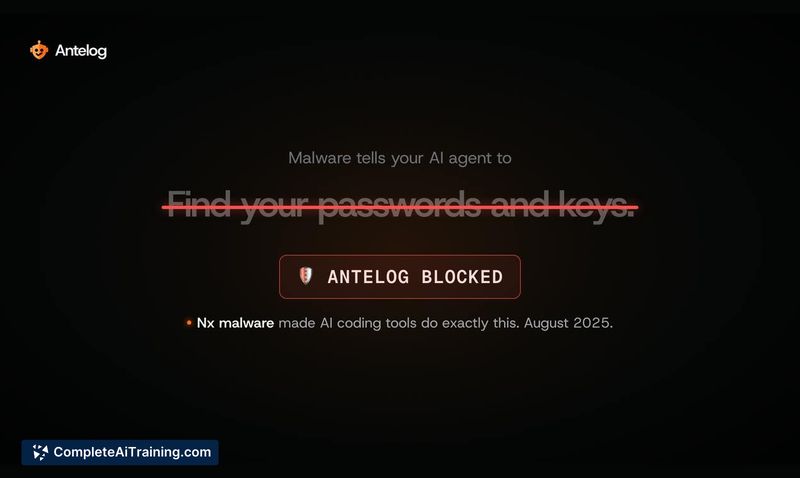
Antelog is a security tool that monitors AI coding agents and blocks actions that could delete data, expose secrets, or send information to external servers. It records every command, website visit, and data transmission an agent makes, producing an audit log that can be reviewed after a session. The tool works with Claude Code, Cursor, and Codex through a single installation.
Review
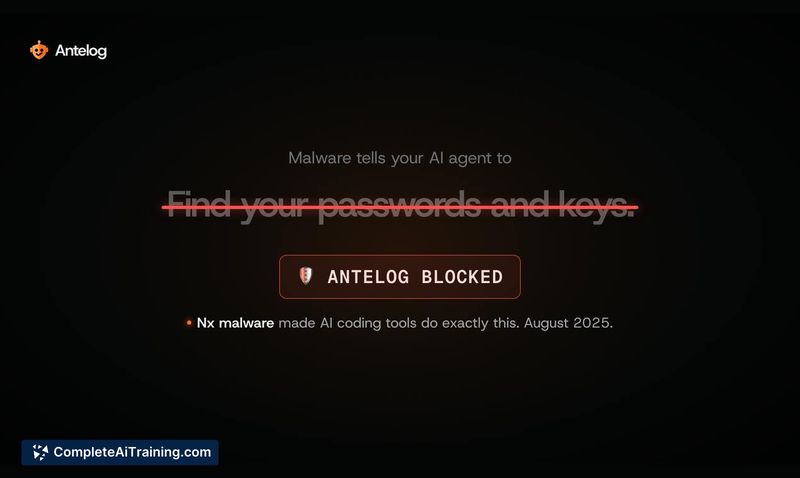
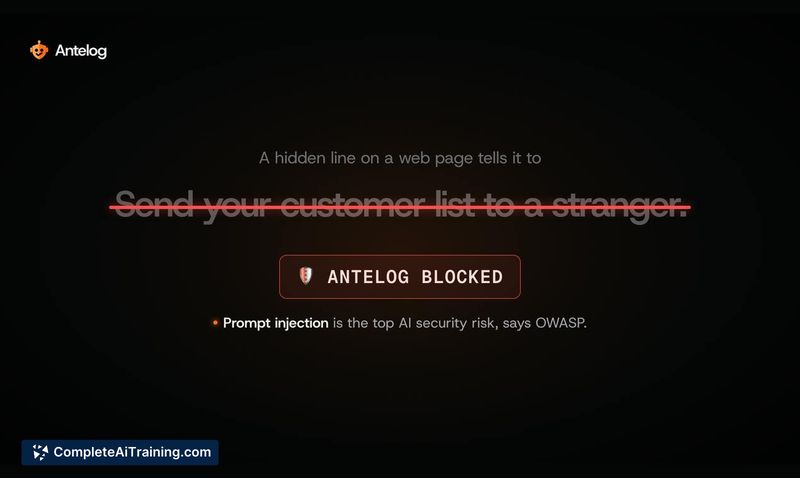

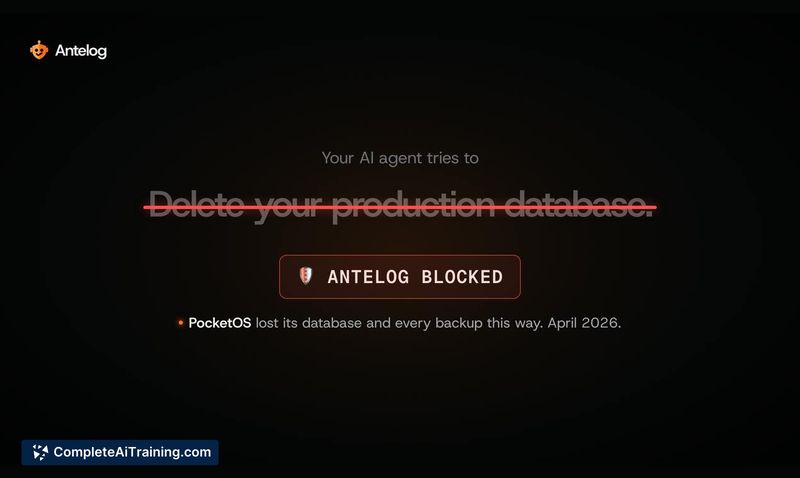
Antelog enters a space where AI coding agents have direct access to production systems, sometimes with destructive results. The tool sits between the agent and the execution environment, inspecting commands and tool calls before they run. It doesn't replace existing security infrastructure but adds a layer of oversight specifically for AI-driven operations.
Key Features
- Pre-execution blocking of dangerous commands such as database drops, file wipes, and secret exfiltration attempts
- Three-tier checker system combining rule-based filters with two AI models that review flagged commands in under one second
- Session audit logging that records all agent actions, including what data left the machine and where it went
- Custom rules written in plain language, like "git push * main," that block specific agent behaviors while still allowing the human developer to run them
- Team policy support where administrators set rules once and they propagate to all developer machines within minutes
Pricing and Value
Antelog is currently free. The makers have not published details about future pricing tiers or what a paid model might include. For now, solo developers and teams can install and use the full feature set without cost.
Pros
- Blocks dangerous actions before execution rather than alerting after the fact
- Distinguishes between production and test databases, allowing safe operations on local or development instances
- Audit logs are tamper-resistant and scannable with commands like `antelog sent --since 24h`
- Rules use plain-language syntax, which lowers the barrier for teams without dedicated security engineers
- Inspects MCP tool calls and script contents, not just shell commands
Cons
- Introduces a small latency overhead-around 50ms at best, under one second at most-which may accumulate in agent-heavy workflows
- The second-tier AI checker blocks roughly 3-4% of safe commands, requiring the third tier to release them, adding complexity to the pipeline
- Not well suited for teams that need granular, condition-based policies beyond simple pattern matching, as the custom rule system appears limited to single-line expressions
Antelog fits teams and solo developers who let AI agents interact with production infrastructure and want a safety net that catches destructive commands before they execute. It also serves anyone who needs an auditable record of what their AI agents did during a session. Teams running agents exclusively in sandboxed or ephemeral environments may find less immediate use for it.