AI tool
Emochi
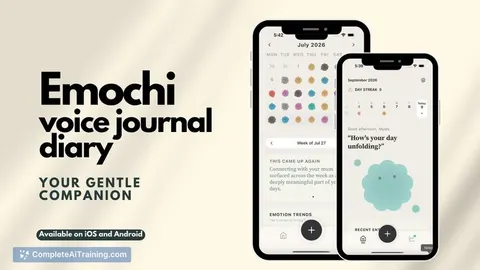
Emochi is a voice journal that converts your spoken thoughts and feelings into an interactive Mochi character. It is for people who want a creative and approachable method for self-reflection.
About Emochi
Emochi is a voice journaling app that transcribes spoken entries and reflects the user's emotional state through a generative character called a Mochi. The tool, built by a doctor, a designer, and two AI engineers, applies affective science research to private, non-clinical self-reflection. It processes voice notes to help users identify emotional patterns without assigning a single mood label.
Review
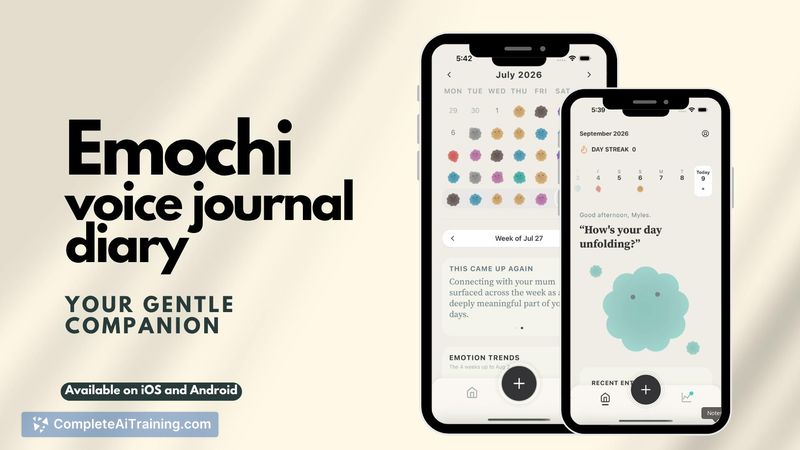
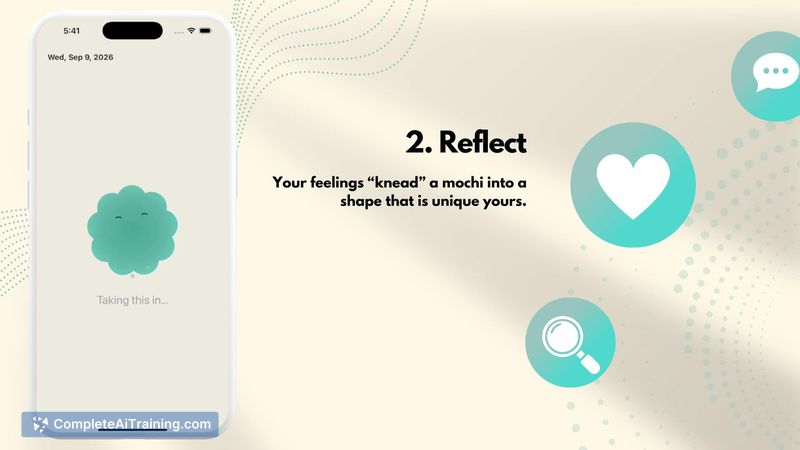
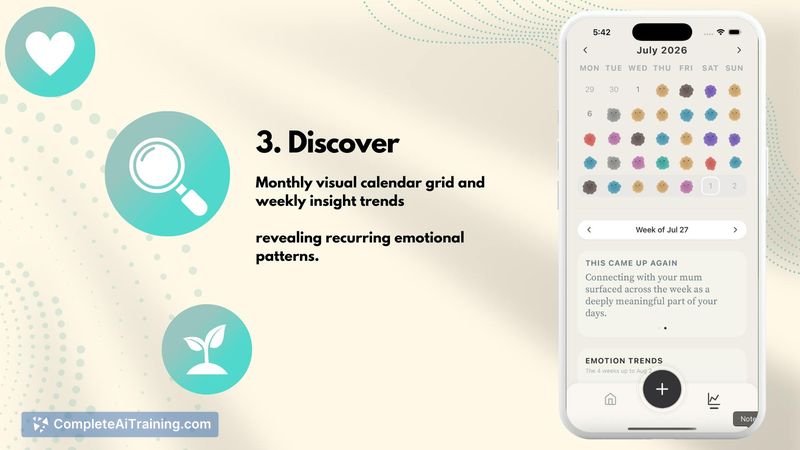
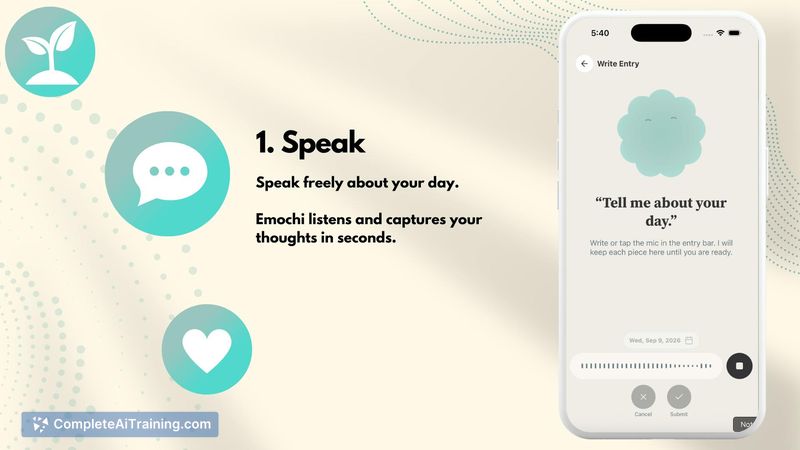
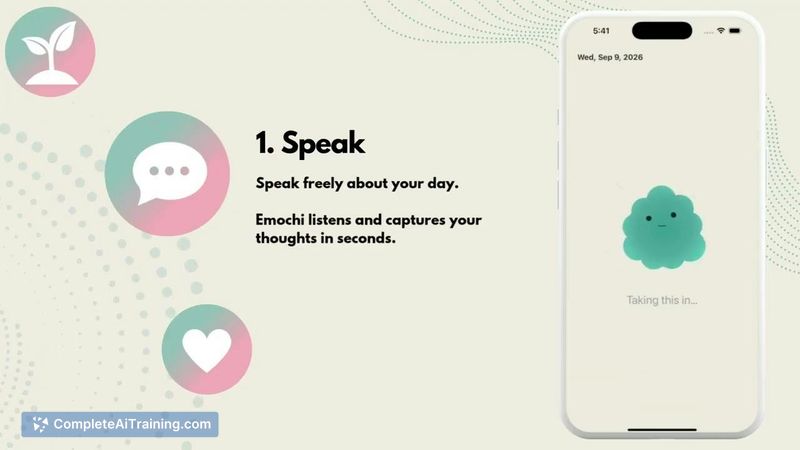
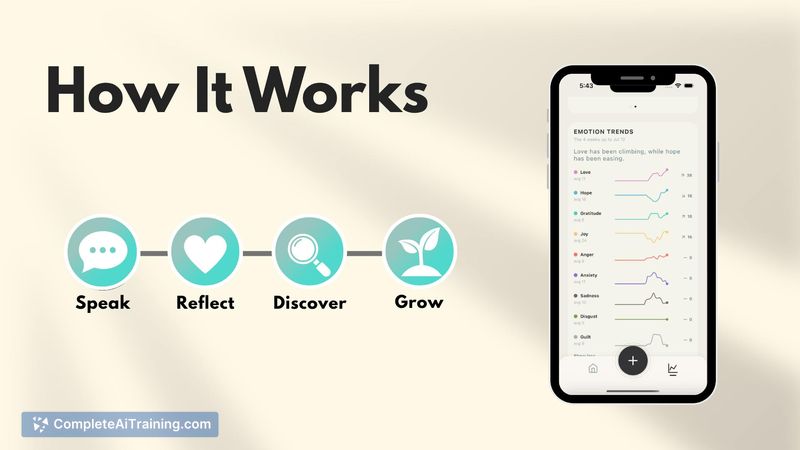
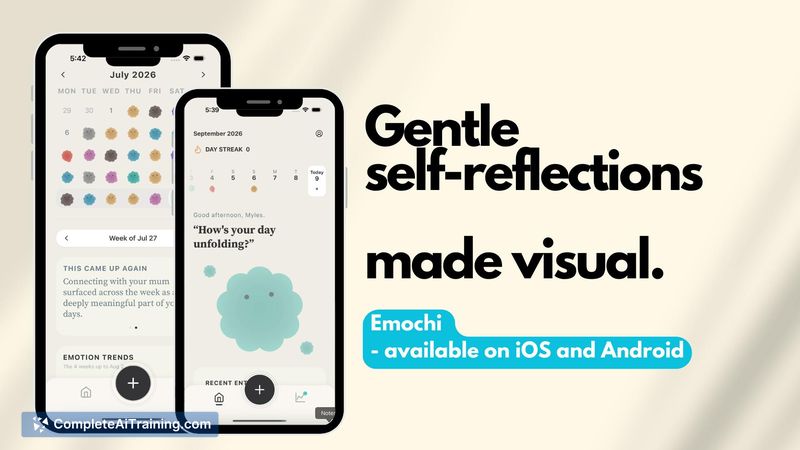
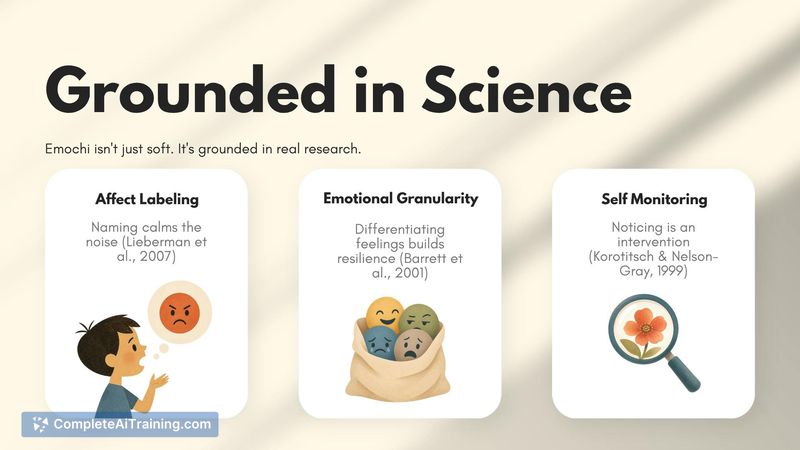
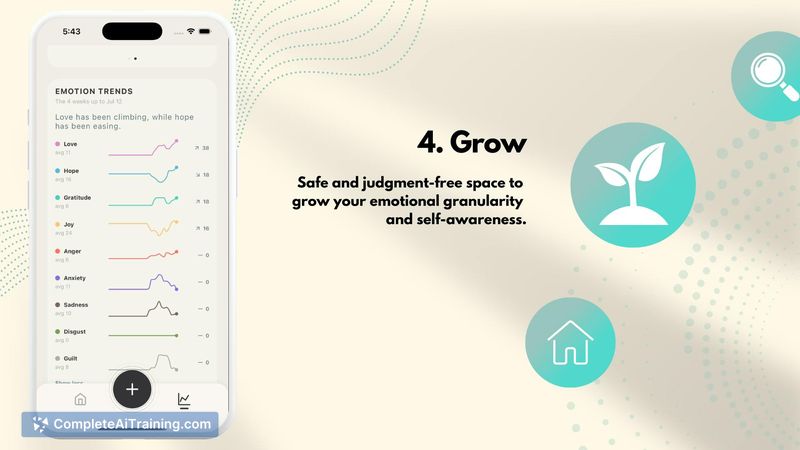
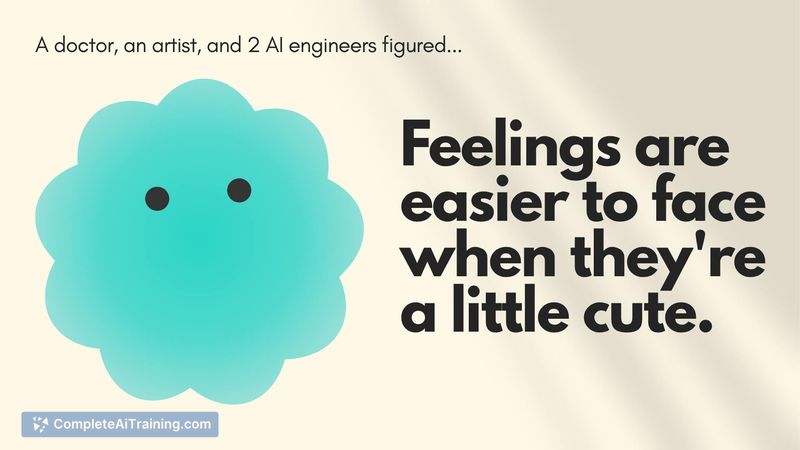
Emochi takes a specific approach to journaling by removing the blank page and replacing it with a voice-first interface. Instead of a numeric mood scale, the app generates a shifting visual character that represents the full spectrum of emotions detected in an entry. The team behind it draws on academic research about naming emotions, emotional granularity, and regular self-check-ins to shape how the tool responds to user input.
Key Features
- Voice-to-text journaling with instant transcription of spoken entries.
- Generative Mochi character that morphs and changes color based on the emotional content of each entry, reflecting multiple emotions at once rather than a single label.
- Pattern and trend detection surfaced through a calendar view, threaded related entries, and a monthly personalized report (available after logging 25 entries).
- Threads that group related journal entries to show how feelings on a particular topic shift over time.
- On-device privacy with no clinical diagnosis or judgment; the tool is positioned strictly for personal growth and self-awareness.
Pricing and Value
Emochi is currently listed as free. The team has not published details about any future pricing tiers, subscription models, or potential paid features. As it stands, all described functionality is available at no cost.
Pros
- Voice input lowers the friction to start journaling compared to typing, which the team specifically cites as a barrier for tired users.
- The Mochi character displays a blend of detected emotions, sidestepping the limitation of forcing a single mood classification on a complex entry.
- Threads and calendar views create a longitudinal look at emotional patterns without manual tagging or categorization.
- Grounded in specific, cited research on emotional labeling, granularity, and self-monitoring rather than generic wellness advice.
- Design choices embrace imperfection-the Mochi is intentionally lopsided and misshapen to mirror the messiness of real emotions.
Cons
- The tool is not suited for users seeking clinical mental health support, guided therapy, or diagnostic insights.
- The 25-entry threshold before unlocking the full trend report may feel like a wait for users who want immediate, in-depth analysis.
- Emotion detection cannot be manually corrected if the transcription misinterprets tone or context, which could frustrate users who feel the character misses a nuance.
Emochi fits someone who wants a low-effort, private space to talk through daily experiences and observe emotional patterns over time without clinical framing. The visual feedback of the Mochi and the threading of past entries make it useful for people who benefit from seeing their emotional shifts rather than just reading old text. It's less appropriate for those who need structured therapeutic exercises or who prefer precise control over how their emotions are recorded.