AI tool
Mouse-1
Mouse-1 is a fast, low-cost language model optimized for agent harnesses to handle decisions, classification, and routing. It is built for developers who want to reduce latency and cost in automated agent workflows.
About Mouse-1
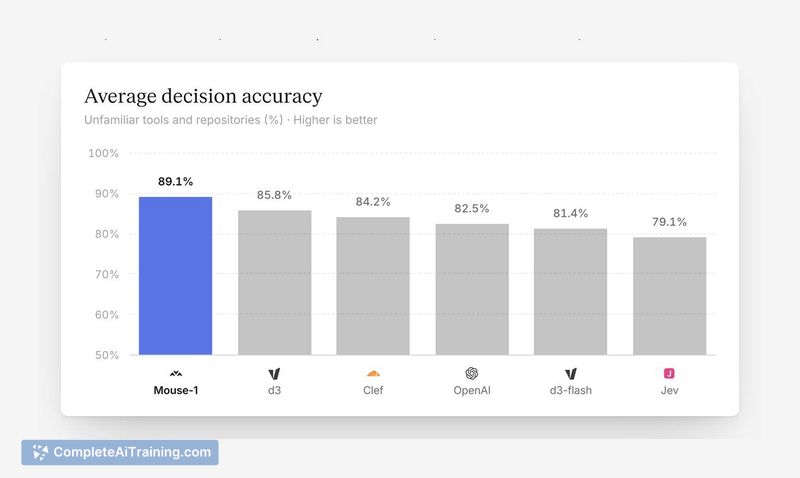
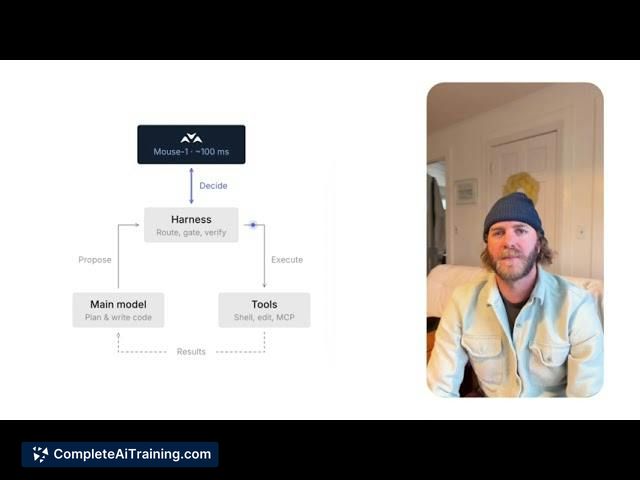
Mouse-1 is a decision model built to work inside an agent harness. It handles the small, frequent decisions an agent makes during a task-returning a probability based on the agent's state and available options. The model sits alongside a developer's existing stack, letting the main frontier model focus on reasoning or code while Mouse-1 takes on classification and routing work.
Review
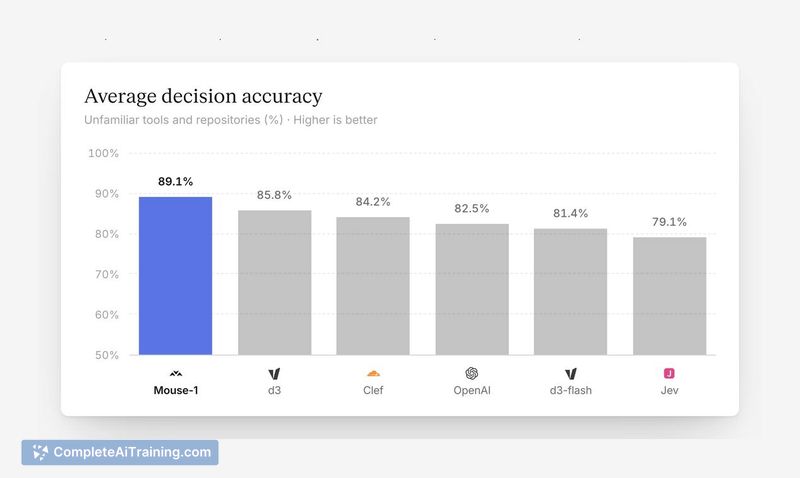
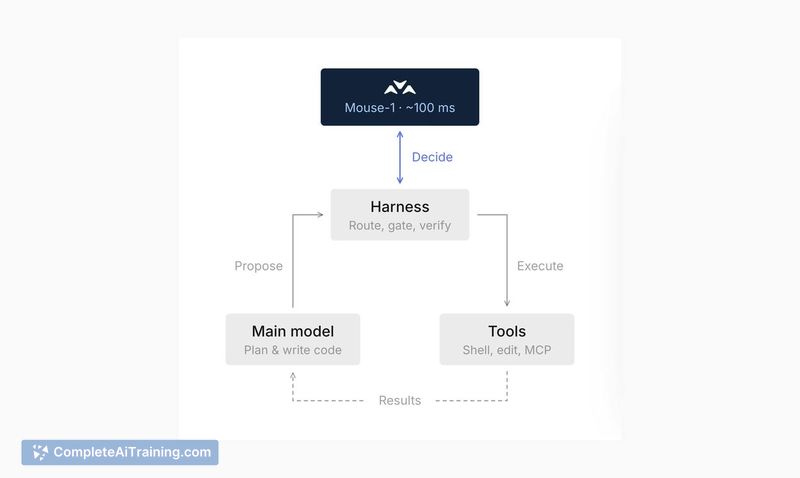
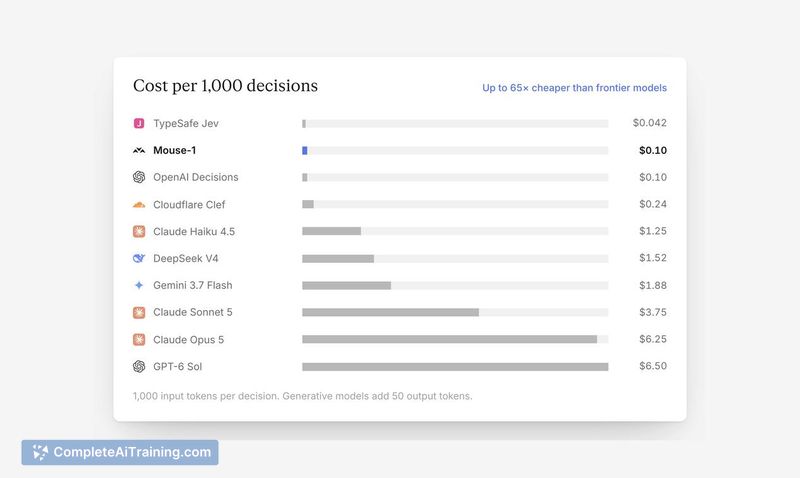
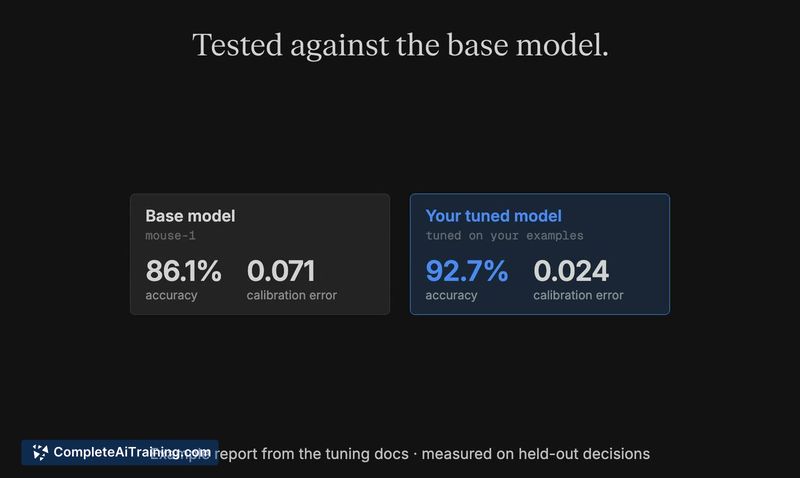


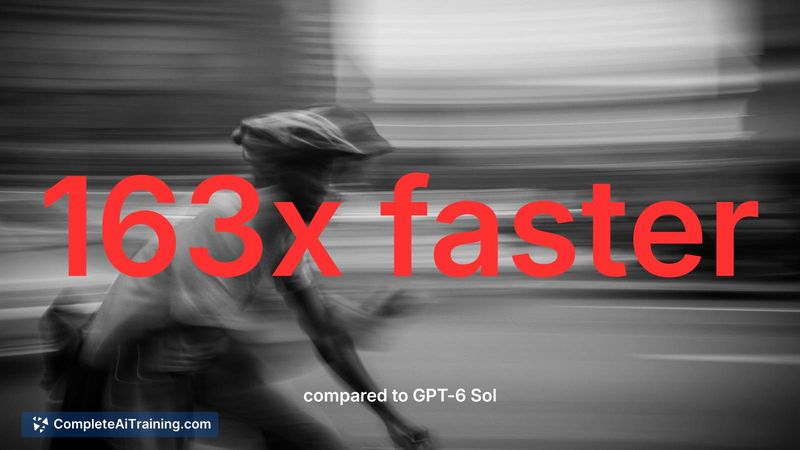
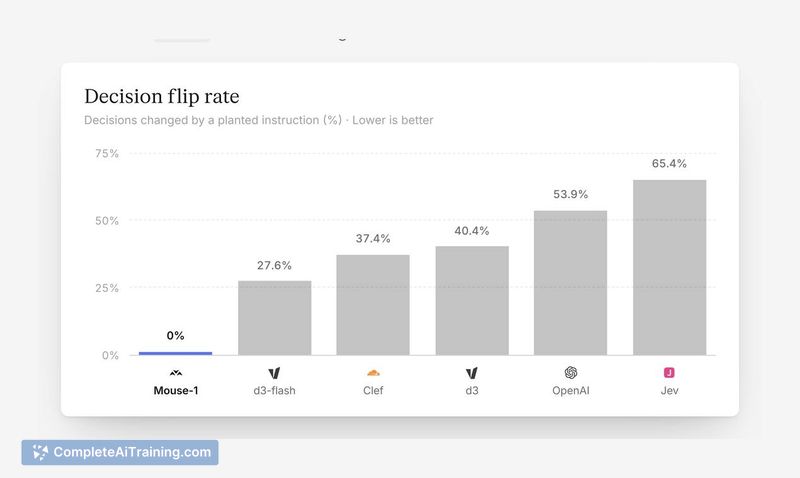
Mouse-1 enters the LLM developer tools space with a narrow but practical focus: offloading micro-decisions from larger models. The maker reports it is 163x cheaper and 65x faster than GPT-6 Sol for these specific operations. It's designed to be added directly into an agent harness, not as a standalone chat model or general-purpose tool.
Key Features
- Returns probabilities in under 100ms of model time for agent state-to-action decisions
- Integrates into an existing agent harness alongside current frontier models
- Zero Data Retention API by default for all users
- Supports LoRA fine-tuning through the H100 provider with no markup, allowing calibration for a specific harness
- Single API endpoint that the maker says improves in accuracy the more it is used
Pricing and Value
Specific pricing details are not yet defined on the product page. The maker describes it as 163x cheaper than GPT-6 Sol and notes that LoRA fine-tuning passes through from the H100 provider with zero markup. The product is listed with a "Free Options" tag and is live for testing. How the free tier works or what paid tiers might look like hasn't been published.
Pros
- Measurable speed gain: the maker's testing showed agent harness output becoming 3x faster on average compared to harnesses without Mouse-1
- Large cost reduction in agent runs-testing showed approximately 15x cheaper harness operation when using Mouse-1 versus harnesses that route all decisions to frontier models
- Privacy-forward design with zero data retention as the default setting
- Fine-tuning path available without additional markup, which lets teams calibrate the model to their agent's specific decision patterns
Cons
- Not a general-purpose model; it only fits workflows where an agent harness already makes many small routing or classification calls to a frontier model
- Pricing structure remains unpublished, making cost projection difficult for production planning
- Limited third-party benchmarks or community evals exist at this stage-current performance data comes from the maker's own testing runs
Mouse-1 fits teams already running agent harnesses that burn frontier model credits on repetitive small decisions. Developers who don't use an agent harness architecture, or whose agents make few intermediate decisions, won't see much benefit from adding it. For those with high-volume agent runs where latency and token costs compound across hundreds of micro-decisions, the model's speed and cost characteristics could shift the economics of their stack.