AI tool
Simba Voice Agents
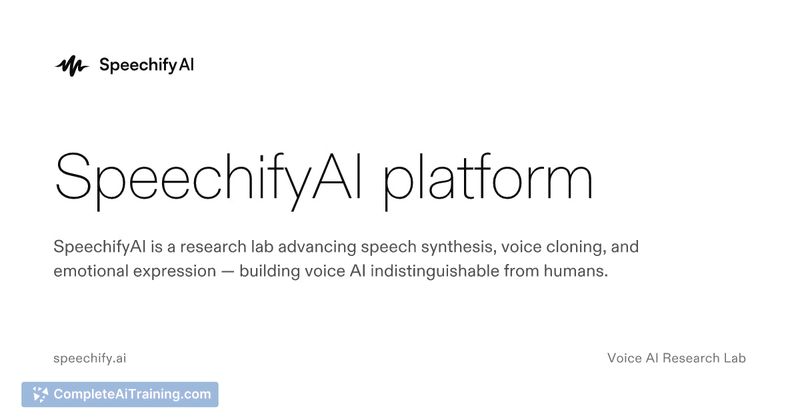
Simba Voice Agents allows developers to build production voice agents using the Simba 3.2 model. It provides sub-100ms streaming-native audio with real emotion on the Speechify Developer Platform.
About Simba Voice Agents
Simba Voice Agents is a developer platform that lets teams build production voice agents using the Simba 3.2 model. It runs on Speechify's new developer API and comes with sub-100ms latency, streaming-native output, real emotion control, and SSML support. The same model already handles voice generation for Speechify's consumer apps, which are used by over 60 million people.
Review
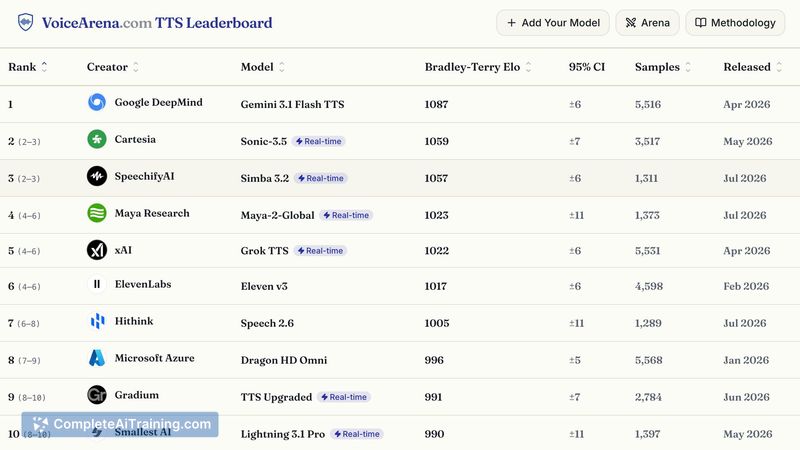
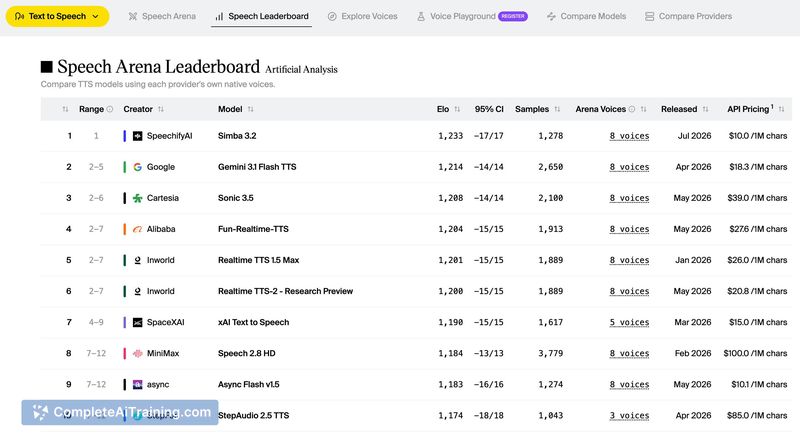
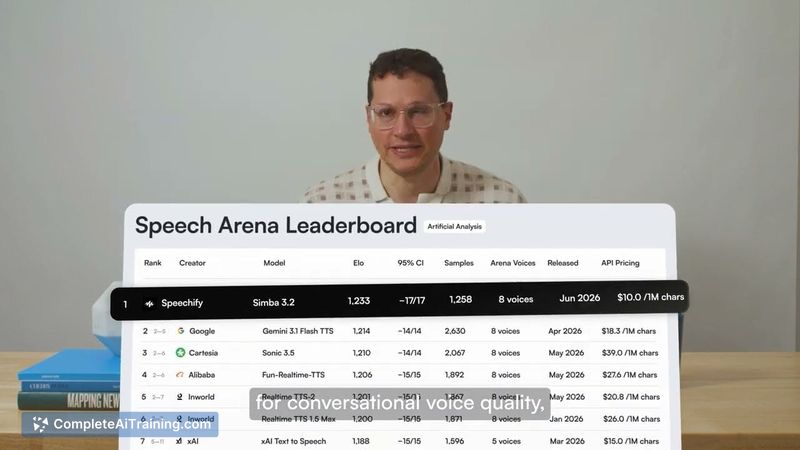
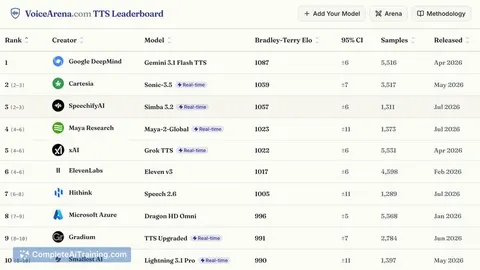
Simba Voice Agents is a fresh entry in the voice agent space, built around a model that currently ranks first on the Artificial Analysis leaderboard. The platform wraps that model in a REST API and first-party TypeScript and Python SDKs, making it straightforward to integrate into existing stacks. The launch is recent, so some pieces-like self-serve cloning for the latest model-aren't fully in place yet.
Key Features
- Sub-100ms streaming voice generation, with latency figures that Speechify attributes to its inference stack running on Baseten.
- Real emotion control and SSML markup for tuning tone, pacing, and pronunciation in agent responses.
- Voice cloning capabilities: self-serve for Simba 1.6 and 3.0 models, while 3.2 cloning is handled through Speechify's team to maintain quality.
- REST API plus first-party SDKs in TypeScript and Python, with documentation generated via Fern.
- Proven model lineage-Simba 3.2 is the same voice engine behind Speechify's consumer reading app, tested at scale on tens of millions of daily listeners.
Pricing and Value
The API charges $6 per 1 million characters, which is the lowest rate among the top ten models on the Voice Arena benchmark. Pricing for the agent platform itself beyond per-character usage hasn't been detailed yet. For developers who need high-quality voice at a per-call cost, the character-based pricing keeps expenses predictable without a large upfront commitment.
Pros
- Latency stays under 100ms, making it viable for real-time conversational agents that can't tolerate long pauses.
- Cost per character is lower than competitors in the same quality tier, which matters at production volume.
- SDKs in TypeScript and Python ship directly from the API spec, so they stay current with model updates.
- Emotion and SSML controls give fine-grained adjustments without needing separate post-processing steps.
- The model has already been hardened by consumer traffic, reducing the risk of unexpected behavior under load.
Cons
- Cloning for the flagship Simba 3.2 model isn't self-serve; you have to work with Speechify's team, which adds friction for teams wanting instant custom voices.
- Language support beyond English for the latest model is still in development, so multilingual agents may need to rely on the older Simba 3.0 model.
- Not well suited for teams that need fully offline or on-device voice processing, since everything runs through the cloud API.
Simba Voice Agents fits teams that already plan to use a cloud-hosted voice API and care about per-character costs at scale. Developers building real-time conversational apps where latency and emotional nuance matter will find the platform's current feature set directly applicable. Those who need a broad set of self-serve languages or fully local inference should check whether the roadmap aligns with their timeline before committing.
Jobs Simba Voice Agents suits
We checked Simba Voice Agents against 500+ jobs; these get the most out of it.
Alternatives to Simba Voice Agents
Other tools that do the same main job. Our AI compared Simba Voice Agents with similar tools and kept the ones you could use instead.