AI tool
Stitch Loop
Stitch Loop is an experimental agent from Google Labs that monitors live products, proposes code fixes, and opens pull requests for teams to review. It connects to your GitHub repo and product data to suggest evidence-based changes, then builds th...
About Stitch Loop
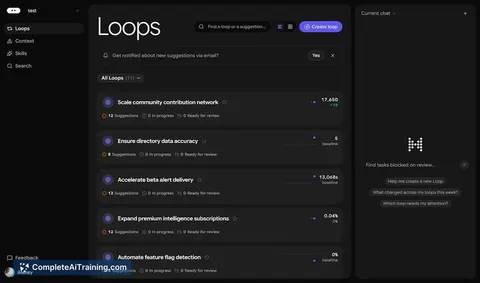
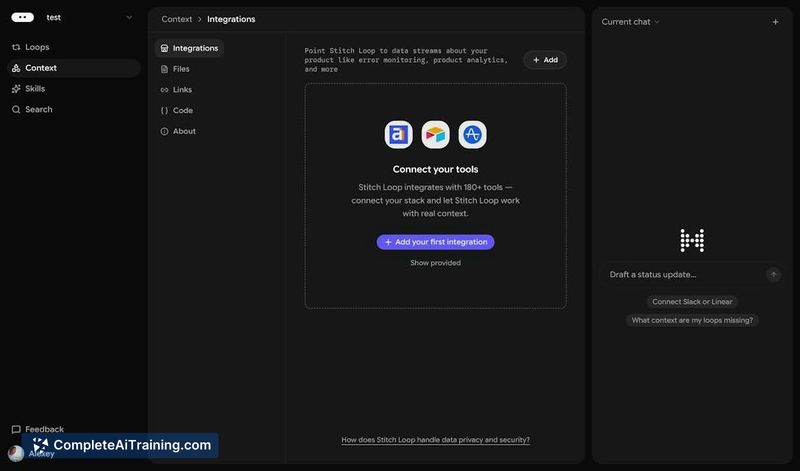
Stitch Loop is an experimental product agent from Google Labs that connects to a GitHub repository and live product data, including logs, user behavior, and feedback. It proposes evidence-based fixes, builds them in a cloud sandbox, and opens pull requests for human review, then continues monitoring the relevant metric after the fix ships. The tool is currently in a waitlist stage, with priority access for eligible Google AI Ultra subscribers.
Review
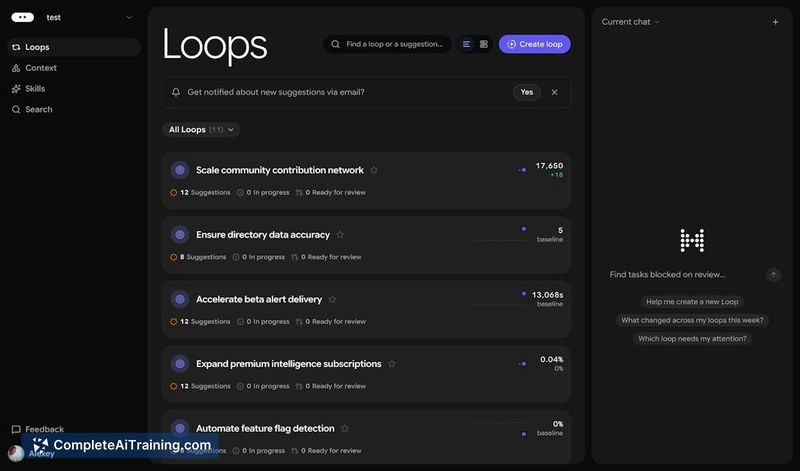
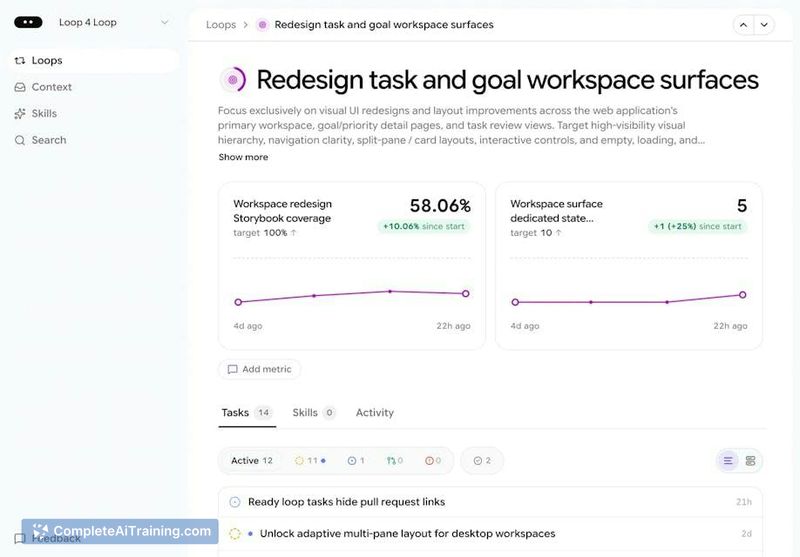

Stitch Loop takes a different approach from coding agents that stop once a pull request is opened. The system is built around goal-based loops that span suggestion, solution, build, and reflection-and it keeps watching live data afterward to see whether the metric actually moved. Nothing merges without a person reviewing the pull request, which keeps the human in the decision chain.
Key Features
- Built-in loops for cybersecurity, latency, and accessibility. The security loop pairs Gemini 4 Carbon with CodeMender, DeepMind's code-security agent.
- Custom loops for user-defined goals such as checkout conversion.
- Integration with GitHub, over 180 data sources, custom MCP servers, and local CLI uploads.
- Product context sharing with other coding agents-like Google Antigravity-through the CLI and MCP.
- Post-merge metric monitoring that continues after the fix ships, tracking whether the targeted metric moved.
Pricing and Value
Pricing for Stitch Loop has not yet been publicly defined. The tool is currently in an experimental waitlist phase, open worldwide. Google AI Ultra subscribers may receive priority access, but no specific pricing tiers or future costs have been announced.
Pros
- Keeps monitoring the metric after a fix ships, so teams can see whether the change had the intended effect.
- Every proposed change arrives as a pull request, leaving merge decisions entirely with the developer.
- Connects to live product signals-logs, user behavior, feedback-rather than relying solely on static code analysis.
- Built-in loops cover specific domains like security, latency, and accessibility without manual setup.
- Shares product context with other coding agents, which may reduce duplicate configuration work.
Cons
- The tool is experimental and waitlist-gated, so availability is not guaranteed for all teams right now.
- Pricing is unannounced, making it difficult to evaluate cost against alternatives for production use.
- It is not well suited for teams without a live product generating logs, user behavior data, and feedback-early-stage projects or pre-launch codebases won't have the signals the agent needs to prioritize fixes.
Stitch Loop fits product and engineering teams that already have a live product and want a steady stream of reviewed, metric-tied fixes rather than another monitoring dashboard. The continued metric watching after a fix ships addresses a gap where most coding agents stop at the pull request stage. Teams that lack live production data or need predictable, upfront pricing will likely need to wait until the experimental phase matures and more details are released.