AI tool
TK by Medium
TK by Medium is an agentic notebook that captures ideas and uses AI to connect them into writing. It is for writers who want to develop their thoughts within a built-in community and link to external AI tools.

About TK by Medium
TK is an agentic notebook from Medium that integrates AI directly into the writing environment. It's built around the idea that writing is a form of thinking, and its inline agent works alongside you to surface connections across all your notes, drafts, voice memos, and imported content. The tool includes built-in social feedback loops and an MCP server that connects to external LLMs and AI tools.
Review

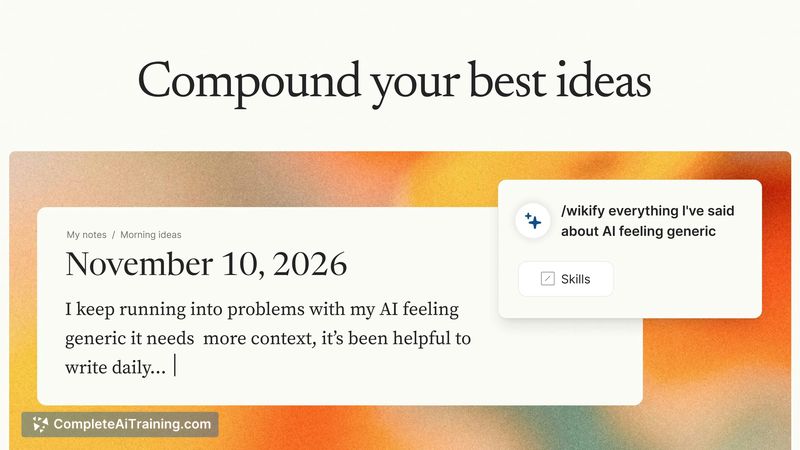
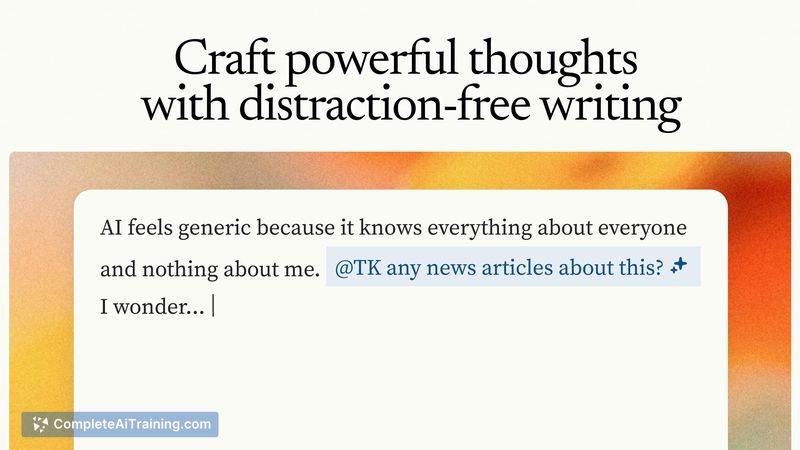
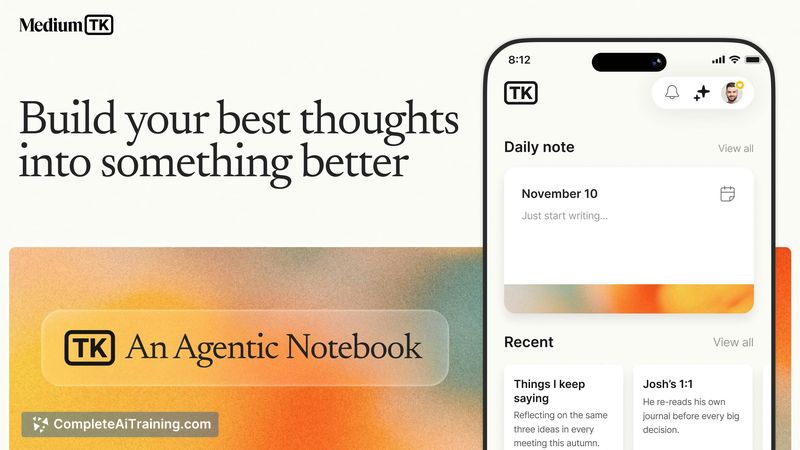

TK enters the note-taking space with a specific focus: helping writers compound their thinking over time rather than just storing information. The agent doesn't sit in a separate chat panel-it operates inline, responding to slash commands without requiring you to leave your draft. Medium's team has positioned this as a writing environment first, with AI acting as a prompt to the writer rather than the other way around.
Key Features
- Inline agent with slash commands: The TK agent works directly in your document. You can pull ideas from past writing, voice memos, partial drafts, or imported content from tools like Granola and Claude without taking your hands off the keyboard.
- /wikify and knowledge compounding: Transform any set of notes into a mini knowledge base. The agent remembers your previous writing and can suggest next steps, organize themes, or flag inconsistencies across a corpus of work.
- Memory across sources: TK indexes writing from multiple origins-Medium posts, Bear or Obsidian vaults, research chats-so the agent can reference your full body of thinking when surfacing connections.
- Built-in social feedback loops: Share drafts privately with trusted readers for feedback directly within the tool, then publish publicly when ready.
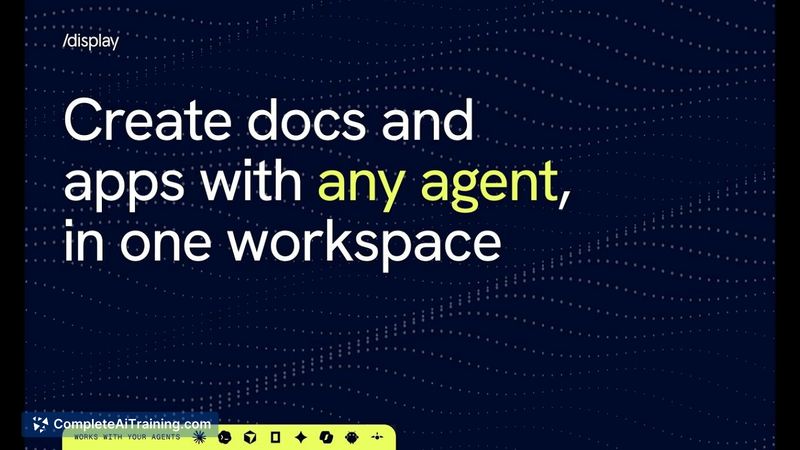
- MCP server and Claude plugin: Connect your TK writing to external agents. A Claude Code plugin lets you run skills, search user feedback, and integrate writing into automated workflows and Daily Notes.
Pricing and Value
TK ships with a free tier that includes unlimited notes, publishing, collaboration, and access to the built-in agent and social layers. The Pro tier costs $12/month and unlocks full access to the TK agent, skills, summaries, and the MCP server. This pricing structure means the core writing and basic agent features are available without payment, while advanced agent capabilities sit behind the subscription.
Pros
- The agent prompts the writer rather than waiting for prompts-it can suggest connections and next steps based on what you've already written.
- Free tier includes unlimited notes and publishing, which many competing note-taking apps gate behind subscriptions.
- Built-in social features let you gather feedback from selected readers without exporting drafts to another platform.
- MCP server and Claude plugin extend the writing environment into automated workflows for users who work across multiple AI tools.
- Imports from Bear, Obsidian, and other sources mean you don't start from an empty notebook.
Cons
- The tool is built for people who write regularly and want to develop ideas over time-it's not well suited for users who only need quick, disposable notes or simple checklists.
- Agent features beyond basic functionality require the $12/month Pro tier, which may not match the budget of casual note-takers.
- The MCP server and Claude plugin setup targets technical users comfortable with configuring external agent connections; writers who prefer a self-contained tool may find this layer unnecessary or complex.
TK makes the most sense for writers, researchers, and knowledge workers who produce a steady volume of written material and want AI to help them find patterns across it rather than generate text from scratch. The free tier lowers the barrier to trying the core notebook, while the Pro tier's agent skills and MCP server cater to users who already work with LLMs and want their personal writing indexed into those workflows. If your note-taking is sporadic or purely transactional-grocery lists, one-off reminders-this tool is likely more than what you need.