AI tool
Wanaka Studio
Wanaka Studio is an AI-native game engine that lets anyone build 3D games without coding. It is designed for creators who want to produce high-quality games as simply as making a video.
About Wanaka Studio
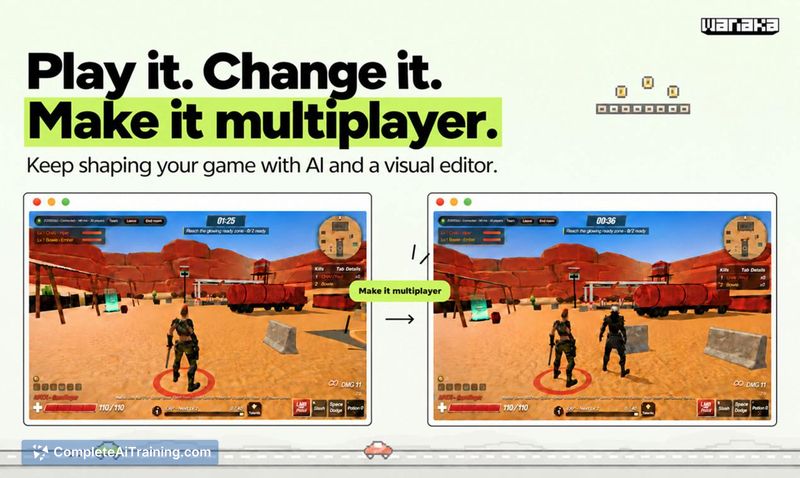
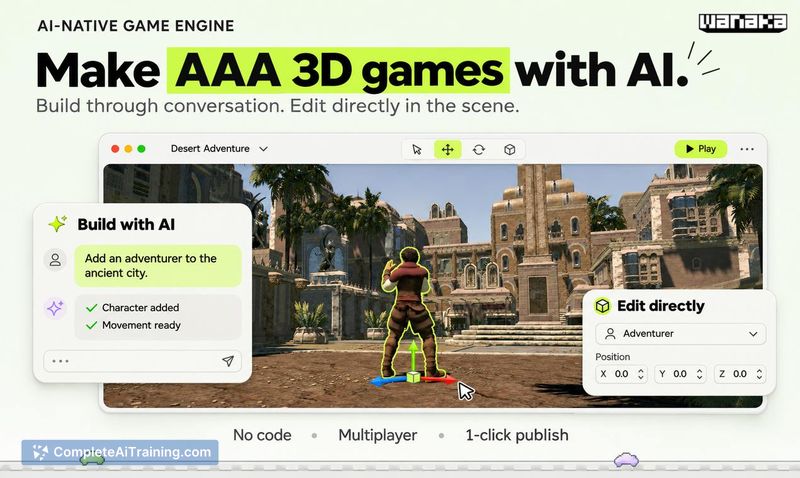
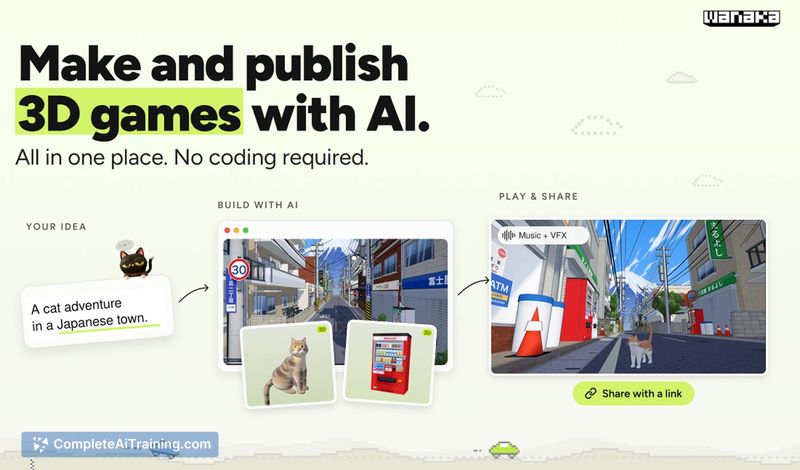
Wanaka Studio is an AI-native game engine that generates 3D games from text prompts. It combines an AI agent with a synced visual editor where users can drag assets and adjust parameters without writing code. The platform includes built-in character generation with auto-rigging, native multiplayer networking, and one-click publishing to a shareable link.
Review

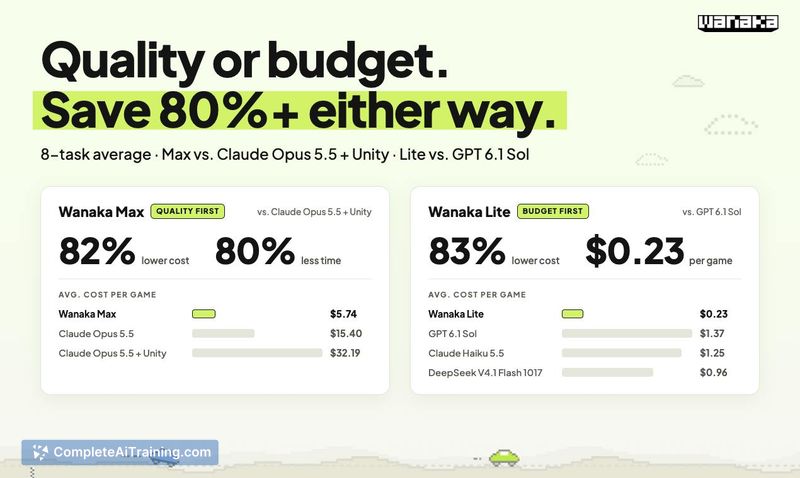
Wanaka Studio enters a space where most AI game development tools either generate code for existing engines or produce simple, template-driven experiences. This tool takes a different approach by building an engine from scratch where the AI agent operates on clean declarative APIs and a set of 30+ atomic engine tools covering physics, terrain, prefabs, behaviors, and lighting. The result is a system that the team says uses roughly 80% fewer tokens and generates faster than using Claude Opus 5.5 with Unity.
Key Features
- Engine-native AI agent with self-playtest and rollback. The agent doesn't write raw boilerplate. It inspects the live runtime, catches bugs, and fixes its own mistakes using a closed-loop system that checks the game state during generation.
- Two-way synced visual IDE. The AI agent and the 3D viewport stay in real-time sync. You can prompt the agent for broad changes, then manually drag assets and fine-tune parameters in the editor. The agent registers every manual edit.
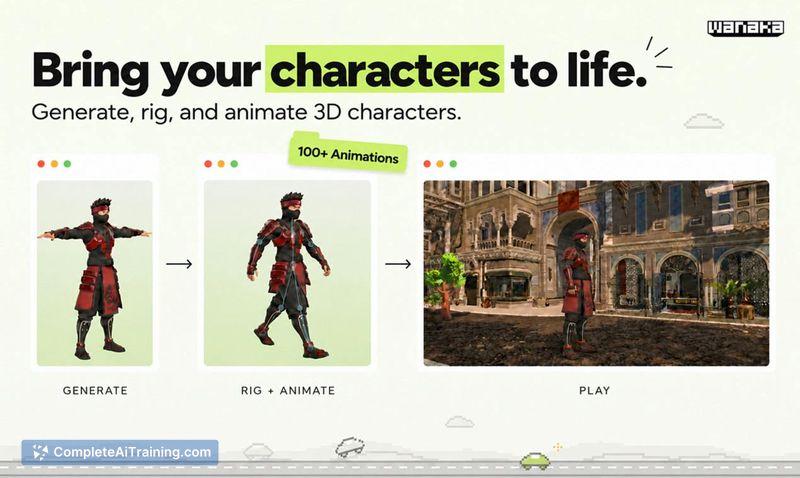
- 3D character generation with skeletal rigging. Characters are generated with rigging and animations in seconds, using Tripo AI for asset creation and ElevenLabs for character voices with multi-language support.
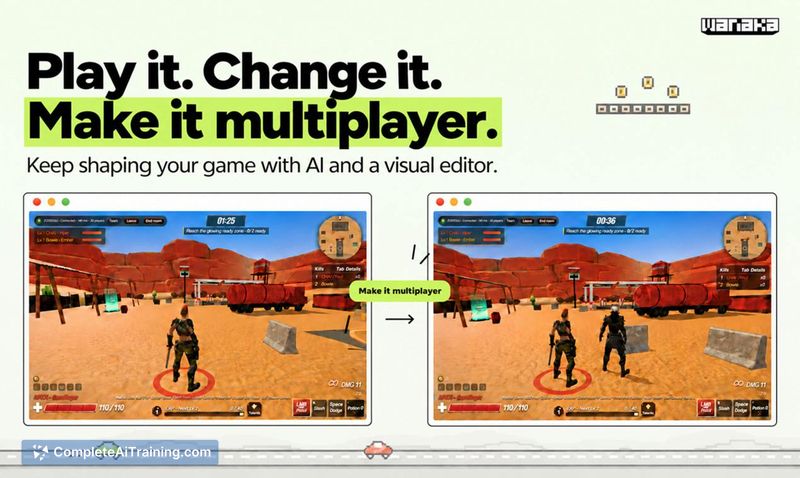
- Native multiplayer and state sync. Any creation can become a multiplayer game that friends can join. Networking and state synchronization are handled without additional setup.
- One-click publishing with version history. Games are shared instantly via a link that works across desktop, phone, and tablet. Built-in version history lets you switch between iterations or compare different directions.
Pricing and Value
Wanaka Studio launched with free options available, though the specific pricing tiers and limits are not yet defined in the current release information. The team has not published a pricing page or detailed what the free tier includes versus any potential paid plans. Users can access the tool now at studio.wanaka.app.
Pros
- Generates a working 3D game from a single prompt, with one user reporting a functional rocket launch simulator built in under 10 minutes.
- All generated content-terrain, models, characters, gameplay rules-remains fully editable, either by telling the AI to adjust something or by manual tweaking in the editor.
- Assets can be exported for use in other tools like Blender, making it viable for previsualization work.
- Plan Mode guides users through fleshing out game design ideas before generation begins, giving more control over the final output.
- Version history and shareable links make it practical for testing game mechanics and gathering feedback without deployment overhead.
Cons
- AI-generated content still shows artifacts like all-caps text and design quirks that require manual cleanup. The team has built a fix for this, but it hasn't been deployed to the online version yet.
- Games currently live on Wanaka's domain. Custom domain support and API access are not available, though both appear on the roadmap.
- This tool is not well suited for developers who need full control over the underlying codebase or who want to integrate with existing game development pipelines that depend on traditional engines like Unity or Unreal.
Wanaka Studio fits best for creators who want to prototype a game mechanic quickly or test whether a core gameplay loop is fun before committing to a larger production. It's also practical for educators building interactive learning experiences, as one early user demonstrated with a gamified lesson concept. Teams that need deep engine customization or production-ready asset pipelines will find the current feature set limiting, but for rapid iteration and shareable prototypes, the tool does what it claims.