
AI news ·
42% of CMOs monitor AI-generated misinformation about their brands
42% of CMOs now monitor and correct brand misinformation in AI-generated output, a Gartner survey of 408 senior marketing leaders found. Another 61% have already adapted content strategies for machine readability, and 94% plan to increase human touchpoint investment in the next year.
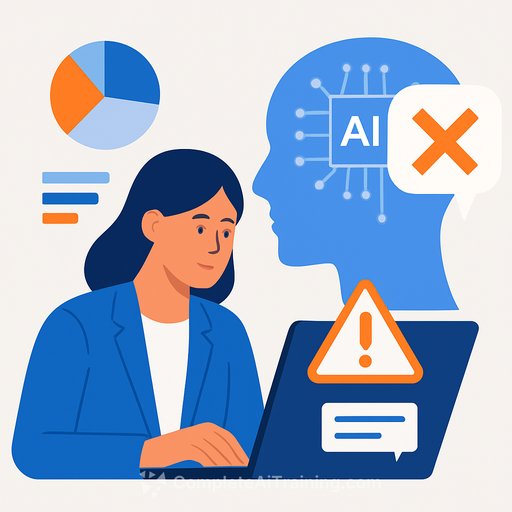
Forty-two percent of CMOs now monitor and correct brand misinformation in AI-generated output, according to a Gartner survey of 408 senior marketing leaders conducted from July through August 2026. As AI-powered tools become a primary way consumers and B2B buyers discover and evaluate brands, inaccurate information can directly shape purchasing decisions before a company ever has a chance to correct it.
The survey reveals that 61% of CMOs have already adapted their content strategies to improve machine readability and visibility in AI-driven experiences. At the same time, 94% plan to increase investment in human touchpoints over the next year - a signal that marketing leaders see AI and human interaction as complementary, not competing, priorities.
The cost of a passive approach
"As consumers and B2B buyers increasingly rely on AI-powered tools to discover and evaluate brands, inaccurate information can directly influence perceptions and purchasing decisions," said Sharon Cantor Ceurvorst, VP Analyst in the Gartner Marketing practice. "Marketing leaders can no longer take a passive approach to brand representation in AI-generated experiences."
Ceurvorst said brands must build what she calls machine-readable brands - ensuring that trusted, distinctive brand elements appear in AI summaries. The alternative is leaving brand representation to chance, where summaries and recommendations are assembled from sources the brand never controlled.
What machine-readable content looks like in practice
The shift toward machine readability means marketing teams are restructuring content so AI systems can parse and surface it accurately. That includes clear metadata, structured data markup, and content formatted for extraction rather than just human browsing. It also means monitoring what AI tools say about the brand and moving quickly when errors appear.
For marketing directors and brand managers, this changes the content production workflow. Writing for both human readers and machine interpretation requires different decisions about format, tagging, and distribution. The 61% adoption figure suggests this is already standard practice among leaders, not an experimental edge case.
Human touchpoints aren't going away
The planned increase in human touchpoint investment runs counter to fears that AI will replace human roles in marketing. Instead, the data points to a model where AI handles discovery and initial evaluation, while human interaction becomes more valuable for complex decisions and relationship building. For professionals in AI Training for Brand Managers, understanding how to position brand assets for both channels is becoming a core skill.
Sales teams, customer support, and account managers should expect these investments to land in their workflows. The 94% figure suggests that leadership sees human judgment as the differentiator once AI has done the initial sorting and summarization.
Why this matters for marketing and communications professionals
If your brand's content strategy was built for search engines and human readers alone, it's already incomplete. AI-generated summaries pull from a wider set of sources and prioritize different signals. Marketing leaders need to audit what AI tools currently say about their brands, then work backward to ensure the correct information is structured in ways those tools can reliably ingest. The window for passive observation has closed.