
AI news ·
AI adoption in Indian construction improves planning, safety and project delivery across eight key areas
AI is reshaping construction across India, cutting costs and reducing delays from design through delivery. Eight applications now in use include predictive risk analysis, automated site equipment, and real-time defect detection.
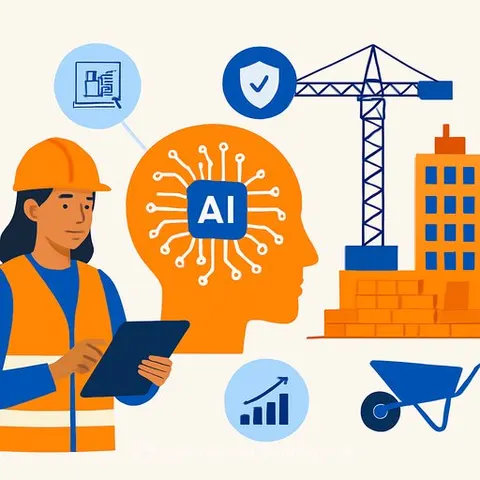
Eight ways AI is changing construction projects
Artificial intelligence is reshaping how construction companies plan, execute, and manage projects across India. As infrastructure and real estate developments accelerate, AI has moved from theoretical tool to practical necessity-reducing costs, cutting risks, and speeding delivery timelines. The technology now touches every phase of construction, from initial design through quality control.
Smarter project planning and design
AI-powered design tools analyse historical project data, environmental conditions, and material performance to generate optimised plans. These systems simulate multiple scenarios and flag the most cost-effective options, replacing manual calculations that often introduced inefficiencies.
The results: faster approvals, fewer design errors, less material waste, and better compliance with environmental regulations.
Predictive analytics for risk management
Construction projects face constant exposure to delays, budget overruns, labour shortages, and safety failures. AI systems now scan historical data and real-time inputs to identify patterns and forecast problems before they materialise.
Project managers use these predictions to reallocate resources or adjust schedules proactively. Early warning systems reduce project delays and improve cost control.
AI and BIM integration
Building Information Modelling provides a digital model of a building's physical and functional properties. Adding AI to BIM allows systems to automatically detect design clashes, optimise construction sequences, and improve coordination between architects, engineers, and contractors.
Metro rail projects and smart city initiatives in India are using this integration to reduce errors and accelerate execution.
Automation and robotics on site
AI-driven automation handles repetitive tasks like bricklaying, excavation, and material handling with greater precision than manual labour. Autonomous equipment addresses labour shortages while improving consistency and speed on time-sensitive projects.
Enhanced safety monitoring
AI-powered surveillance systems use computer vision to monitor worker behaviour and detect unsafe practices in real time. These systems enforce compliance with safety protocols-helmets, harnesses, protective gear-and alert supervisors to hazards before accidents occur.
The shift to proactive safety monitoring reduces workplace injuries and project downtime.
Real-time project tracking and management
Digital platforms now collect data from sensors, drones, and site reports to give project managers a live view of progress. This enables faster decision-making, keeps projects on schedule, and improves transparency with clients and contractors.
Smart infrastructure and urban development
AI-driven systems analyse sensor data to optimise traffic flow, manage energy use, and improve public services. Construction teams use this data to design infrastructure that performs efficiently and responds to actual user needs.
Quality control and defect detection
Image recognition systems identify defects, cracks, and structural issues during construction rather than after completion. Early detection reduces rework, cuts costs, and ensures higher quality outcomes.
The competitive advantage
Construction companies that adopt these technologies effectively are gaining measurable advantages in cost, quality, and delivery speed. The future of construction depends on integrating technology across the entire project lifecycle-and AI will drive much of that integration.
For professionals in real estate and construction, understanding AI applications in construction projects is becoming essential to staying competitive.