
AI news ·
AI and new technology improve lung cancer screening in the tri-state area
Only 20% of eligible people get screened for lung cancer, the leading cause of cancer death. Clinics now offer $165 self-pay CT scans to improve early detection.
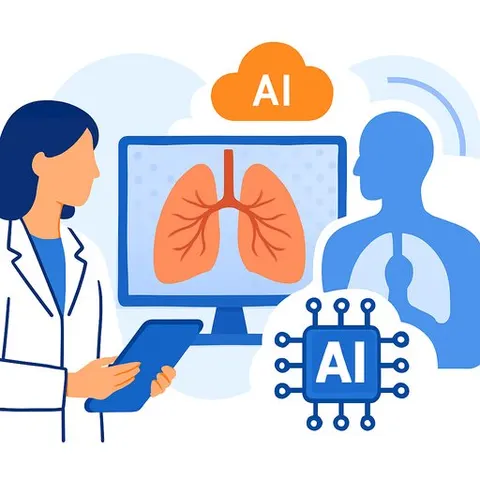
Lung cancer has become the leading cause of cancer death in the United States, killing more people than breast, colorectal, and cervical cancers combined. Yet screening rates in the tri-state area remain alarmingly low, according to Dr. John Melnick of Lenox Hill Radiology. "Only about 20% are getting screened of the people who are eligible," he said, a gap that makes the difference between early detection and late-stage diagnosis.
The Low-Dose CT Scan Advantage
Doctors say the lung scan itself takes less than a minute. The technology has evolved dramatically in recent years, enabling radiologists to spot tiny lung nodules earlier than ever before. During a low-dose CT scan, clinicians can watch for the earliest signs of trouble while the machine is running, a capability that was once far less precise.
AI's Role in Detection
Artificial intelligence is assisting radiologists in ways that sharpen their focus on the most suspicious areas. "When computers are there to assist, they basically bring your eyes to the areas that are potentially suspicious," Melnick said. The goal is to catch cancer before symptoms appear, when treatment is most effective. In radiology, the integration of AI for Healthcare is aiding the detection of early-stage lung cancer by flagging nodules that might otherwise be missed.
Expanding Access Through Self-Pay Programs
Local imaging centers, like the RadNet imaging network, are trying to broaden access with a $165 self-pay screening program. The initiative targets people who may not qualify through insurance, including firefighters, veterans, and those exposed to secondhand smoke. Melnick and other physicians emphasize that for anyone with a history of smoking or long-term exposure to toxins, asking a doctor about screening is a step worth taking.
Why this matters for healthcare and science professionals
For those working in healthcare and research, the persistent 20% screening rate signals a need for stronger outreach and clinical integration of AI tools. The development of these detection models falls under the broader AI for Science & Research movement, where translational work can turn computational advances into routine clinical practice. Radiologists, data scientists, and public health researchers all have a role in closing the gap between who is eligible for screening and who actually receives it, directly shaping survival outcomes for the deadliest cancer in the country.