
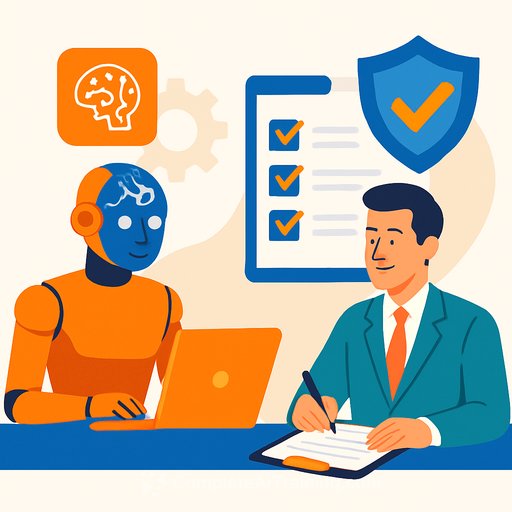
AI Enhances Efficiency but Underwriters Remain Essential, Says Markel
As AI and data analytics continue to influence the insurance sector, Brendan Hanley, managing director of binding property and casualty (P&C) at Markel, highlights the practical benefits these technologies bring. They contribute to genuine efficiency improvements in underwriting processes without replacing the critical role of underwriters.
AI’s Role in the Insurance Process
AI can streamline tasks such as data analysis, risk assessment, and policy evaluation. These improvements help insurers process applications faster and with greater accuracy. However, Hanley emphasizes that AI tools are aids—not substitutes—for human judgment.
Underwriters bring essential expertise and context to decisions that AI alone cannot fully replicate. Their experience ensures nuanced risk evaluation and helps maintain quality control throughout the insurance lifecycle.
Balancing Technology and Human Insight
The integration of AI tools allows underwriters to focus on higher-value activities rather than routine tasks. This balance increases productivity while preserving the quality and integrity of underwriting decisions.
- AI handles large data sets quickly, spotting patterns that might be missed manually.
- Underwriters interpret these insights in the context of real-world factors.
- Collaboration between AI and humans enhances overall decision-making.
For insurance professionals looking to improve their understanding of AI applications, resources like Complete AI Training offer specialized courses focused on AI’s role in insurance and risk management.
Conclusion
AI delivers measurable efficiency gains in insurance underwriting, but the human element remains indispensable. Underwriters will continue to play a vital part in evaluating risk and making informed decisions, supported—not replaced—by AI technologies.