
AI news ·
AI-Forged Evidence Hits Courtrooms: States Move to Set Guardrails
Deepfakes and fabricated docs are slipping into court, confusing juries and clogging discovery. States set guardrails, pushing provenance checks and early authenticity.
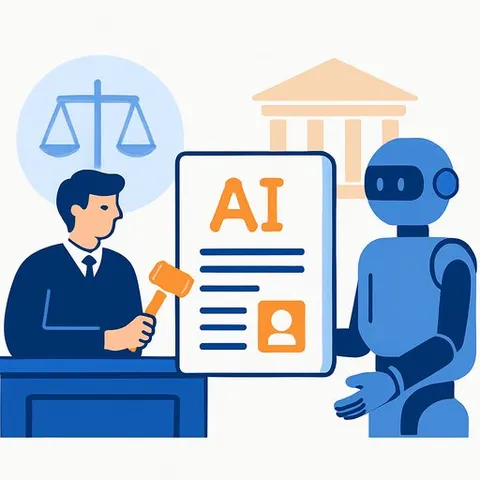
As AI-generated fake content mars legal cases, states want guardrails
Deepfaked audio, synthetic video, and fabricated documents are reaching courtrooms. They confuse juries, slow discovery, and put judges in a tough spot on admissibility. The risk isn't theoretical anymore - it's showing up in motions, exhibits, and even subpoenas.
States are moving to set guardrails. Courts and legal teams need a clear plan for intake, authentication, and disclosure so digital evidence doesn't quietly poison the record.
What's showing up in dockets right now
- Edited body-cam or surveillance footage with spliced audio or altered timestamps.
- AI-generated "confession" audio that mimics a party's voice.
- Fabricated screenshots, chat logs, and emails with spoofed metadata.
- Face-swapped video that puts a litigant at a scene they never visited.
- Transcripts produced by AI with silent insertions or omissions.
- Documents "cleaned" of watermarks and provenance markers.
Why courts are exposed
- Chain-of-custody gaps from ad-hoc transfers (AirDrop, messaging apps, cloud folders).
- Overreliance on exports instead of originals and forensic images.
- Inconsistent authentication practices across courts and case types.
- Time pressure that favors persuasive visuals over verified provenance.
Guardrails states are weighing
- Mandatory disclosure when AI tools are used to create, enhance, or translate evidence.
- Authentication standards that favor original files, cryptographic hashes, and content credentials (e.g., C2PA).
- Updates and commentary tied to evidence rules (e.g., FRE 901) to address synthetic media and metadata spoofing.
- Penalties for knowingly submitting fabricated AI content; enhanced sanctions for discovery abuse.
- Funding for forensic tools, neutral experts, and training for judges, prosecutors, and defense.
- Safe harbors for disclosed, good-faith AI use in routine tasks (translation, transcription) with audit logs.
- Access to platform provenance logs via subpoena when credibility hinges on source and creation.
Playbook for litigators: make fake content unworkable
Front-load authenticity. If a file could decide the case, you need originals, provenance, and independent signals-before motions start flying.
- Intake triage: Demand the original capture files, not screenshots or exported clips. Ask for device IDs, app versions, and cloud sources.
- Preserve right: Request forensic images where feasible; avoid lossy re-saves. Hash everything on receipt and log it.
- Provenance questions: Who captured it, with what, where was it stored, who touched it, and when?
- Side-channel checks: Tower records, geolocation, access logs, eyewitness corroboration, and sensor data.
- Discovery requests: Content credentials, edit history, AI prompts/parameters if generative tools were used, and platform transparency logs.
- Authentication path: Use 901(b)(1) testimony plus 901(b)(9) process evidence. If the file is central, seek a focused 104 hearing on authenticity.
- Expert use: Engage a forensic analyst early for audio spectrograms, ELA, PRNU/sensor noise, and container/codec analysis.
- Depositions: Pin down toolchains, filters, and edits; lock witnesses to specific devices, times, and methods.
Guidance for judges and clerks
- Early authenticity conferences for digital exhibits; set deadlines for originals and forensic disclosures.
- Model orders for chain-of-custody, hashing, and neutral expert access to devices or cloud repositories.
- Tailored limiting instructions so jurors don't over-credit slick visuals or "perfect" audio.
- Use neutral experts for triage where parties lack resources and the file could be outcome-determinative.
Policy menu for lawmakers
- Disclosure statute: Parties must certify whether AI assisted creation, enhancement, or translation of evidence.
- Content credentials: Encourage or require support for open provenance standards like C2PA in public-sector capture tools and vendor contracts.
- Criminal exposure: Offense for submitting synthetic evidence with intent to mislead; sentencing enhancements where it obstructs justice.
- Funding: Grants for court tech, lab capacity, and judicial training; vetted procurement lists for forensic tools.
- Jury instructions and pattern orders addressing AI-generated content and authentication burdens.
- Platform cooperation: Clear process for expedited preservation and disclosure of provenance metadata.
Red flags that suggest synthetic media
- Inconsistent lighting, reflections, or shadows; jitter around edges; unnatural blink patterns.
- Audio with "too clean" waveforms, identical background noise across scenes, or breath patterns that don't match speech.
- EXIF or container metadata that resets on key dates, missing sensor signatures, or codecs not typical for the claimed device.
- Timestamps that skip, frame rates that shift mid-clip, or logs that don't align with physical context.
- Screenshots with pixel-perfect text kerning, orphaned artifacts, or repeated compression blocks.
Discovery language you can reuse
- Produce originals with complete metadata and hash values; no re-exports.
- Disclose AI tools used, versions, prompts/parameters, and time stamps for each edit.
- Provide content credentials/provenance manifests where available; otherwise state unavailability and why.
- Identify all persons and systems that accessed, transformed, or transferred the file.
Training and readiness
Teams that practice the workflow win the motion. Run tabletop exercises, standardize checklists, and keep a short list of neutral experts you can call on short notice.
If you need structured upskilling for attorneys, investigators, and litigation support, see these resources: AI training by job function. For teams handling multilingual material, consider AI Translation Courses.
Bottom line
AI-generated fakes are eroding default trust in digital evidence. The response is straightforward: demand provenance, test authenticity early, and codify expectations through orders, rules, and statute. Do that, and synthetic noise won't decide real cases.