
AI news ·
AI in Education Hong Kong’s Next Leap in Personalised Learning and Empowered Teaching
AI is transforming education in Hong Kong by personalising learning and supporting educators with innovative tools. Training in AI helps teachers integrate technology responsibly and engage students effectively.
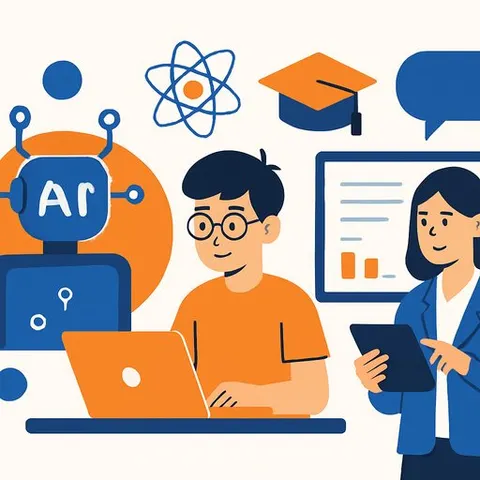
The Transformative Potential of AI in Education
Artificial intelligence (AI) is changing how education is delivered and experienced, offering new ways to improve learning outcomes and personalise instruction. Educators in Hong Kong are increasingly recognising AI’s role in supporting both teachers and students with innovative tools and methods.
Efforts to integrate AI span various subjects, including languages, STEM, and the creative arts. Generative AI is being used not just to deliver content but to create interactive, student-centred experiences. Examples include personalised tutoring systems, AI-supported language learning platforms, and virtual teaching assistants that adjust to each student’s progress and needs.
Leading Initiatives in Hong Kong
Hong Kong Polytechnic University (PolyU) has incorporated AI education into its undergraduate programmes since 2022. It has also established specialised units such as the School of Computer and Mathematical Sciences and a Department of Language Teaching focused on AI-enhanced methods. These initiatives aim to prepare future educators and professionals with the skills needed in an AI-driven environment.
Institutions are developing programmes that blend computational thinking with subject knowledge. This approach strengthens students’ academic foundation while encouraging them to consider the ethical, cultural, and practical impacts of AI in real-world contexts. Experts stress that adopting AI in education should go hand in hand with fostering ethical practices, digital literacy, and lifelong learning habits.
AI Literacy for Educators and Students
For educators, understanding how to use AI responsibly and effectively is becoming a vital professional skill. Training in AI tools equips teachers to integrate technology thoughtfully in the classroom. At the same time, students are being encouraged to engage critically with AI—learning to evaluate its outputs and grasp the basics of how AI systems make decisions. This builds their capacity to become informed digital citizens.
Collaboration and Multidisciplinary Perspectives
Experts worldwide contribute to the growing knowledge on applying AI in education. Research covers areas such as AI-powered language learning, digital competence in mathematics, and creative applications in digital arts. Collaboration between AI developers, educators, and policymakers is essential to create AI solutions that are pedagogically effective and culturally appropriate.
Hands-On Learning and Technology Demonstrations
Workshops and interactive demonstrations are key to helping educators explore AI technologies and discover practical classroom uses. These sessions encourage co-creation of strategies that support personalised instruction and lifelong learning. Tools like adaptive learning systems and immersive simulations are changing how students engage with content and how teachers deliver lessons.
Technology showcases featuring developers from Hong Kong, Mainland China, and beyond highlight AI tools designed to enhance teaching, curriculum design, and real-time learning analytics. These innovations aim to make education more responsive and inclusive.
Looking Ahead
As Hong Kong continues to develop AI in education, the focus remains clear: AI should support human potential, assist educators, and improve the learning experience for all students. Responsible use of AI can expand access to quality education and help create an environment where both teachers and learners thrive.
For educators interested in expanding their AI skills and knowledge, exploring specialised courses can be beneficial. Resources such as Complete AI Training’s latest AI courses offer practical guidance tailored to education professionals.