
AI news ·
AI in music needs artistic judgment, not just digital skills, trainer says
Vietnam's music teacher training lags as AI now generates real-time melody, harmony, and performance structure, says Colonel Mai Kien. He urges a structured AI-integrated model, warning current use remains "largely spontaneous" and risks falling behind global digital transformation.
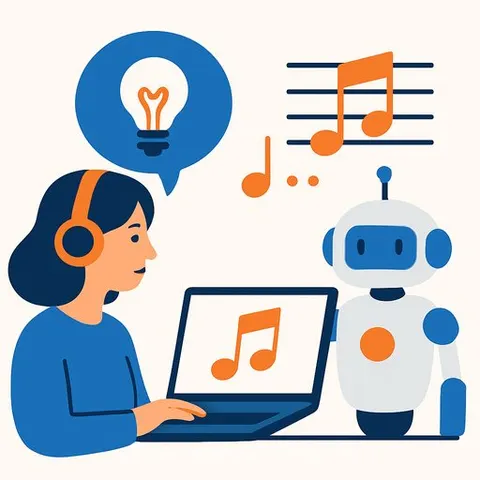
Artificial intelligence has moved beyond text generation in music - it can now produce and process melodies, harmony, timbre and performance structures in real time. That shift carries real consequences for how Vietnam trains its next generation of music teachers, according to Colonel Mai Kien of the Military University of Culture and Arts.
Speaking at a recent forum, Kien said the technology demands more than digital literacy from its users. "Such capabilities mean users need more than digital skills. They also need artistic sensitivity, judgment and the ability to evaluate what technology produces."
Yet music teacher training programs have not kept pace. Kien said AI use in this area "remains largely spontaneous," with the technology serving mainly as an individual support tool rather than being embedded into a defined pedagogical model.
Research gap in teacher training
Most existing research focuses on AI-assisted composition. Comparatively little attention has gone to integrating AI into lesson-design skills for future teachers, Kien said.
That gap matters because teachers are the ones who translate technical capability into classroom practice. Without a structured approach, they are left to figure out on their own how to use AI effectively - or not use it at all.
Kien argued that building an AI-integrated learning model is an urgent priority. Under such a model, AI would not function as an impersonal machine but as a "co-creator," helping future teachers explore artistic possibilities and turn creative ideas into engaging classroom activities.
For musicians and educators exploring these tools, resources like AI for Vocal Artists & Songwriters cover AI music production and songwriting workflows that align with this co-creator approach. Broader guidance for artists and designers is available through AI for Creatives.
Preserving culture while adapting
The push for AI integration runs alongside a need to preserve emotional experience and cultural heritage, Kien said. The two goals are not in conflict, but they require deliberate design.
An AI-integrated model could become "an important means of improving teacher training and ensuring that arts education in Vietnam does not fall behind as digital transformation accelerates worldwide," he argued.
Why this matters for creatives
For working musicians and educators, the takeaway is practical: AI tools are already capable of generating and manipulating musical structure in real time. The bottleneck is no longer technology - it's the judgment to evaluate what the machine produces and the skill to shape it into something meaningful. Those who develop that judgment now, rather than treating AI as a novelty or a threat, will have a clear advantage in classrooms, studios and stages.