
AI news ·
AI Industry at Risk if Artists Demand Consent for Training, Warns Former Meta Executive
Nick Clegg warns that requiring artist permission for AI training is impractical and could halt the UK AI industry. The UK bill lets artists opt out but sparks controversy.
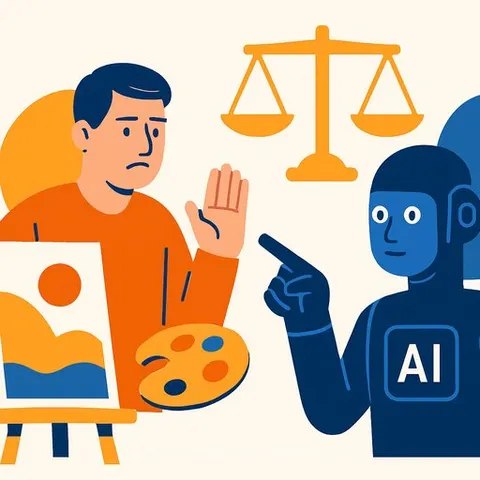
Why AI Training on Artists’ Work Faces a Permission Roadblock
Nick Clegg, former Meta president of global affairs and UK deputy prime minister, recently shared his concerns about the future of AI if tech companies must seek permission from artists before using their work to train AI models.
Clegg argues that asking every artist for consent is impractical, given the vast amounts of data AI systems require. He believes this approach could effectively kill the AI industry in the UK overnight if only Britain imposes such restrictions.
The Challenge of Permission in AI Training
During the Charleston Festival, Clegg promoted his upcoming book How to Save the Internet and responded to demands from artists for tighter copyright regulations on AI training. He supports the idea that artists should be able to opt out of having their creations used indefinitely by AI models. However, he finds it "somewhat implausible" to expect companies to get explicit permission for every piece of creative work used.
His reasoning is simple: AI models train on massive datasets pulled from countless sources. Tracking down and securing approval from all individual creators is a logistical nightmare that could stifle innovation.
UK Government's Data (Use and Access) Bill
In October, the UK government proposed the Data (Use and Access) Bill. This bill would let companies train AI on copyrighted materials like books and music unless the rights holders explicitly opt out.
However, there is ongoing debate. The House of Lords pushed to amend the bill so tech firms must disclose and seek consent before using copyrighted works. The House of Commons rejected this amendment, keeping the opt-out model intact — a compromise that still leaves many creatives uneasy.
Artists Push Back
Musician Elton John publicly criticized the bill, calling it "criminal" and accusing the government of betraying artists. He expressed readiness to challenge the legislation in court, highlighting the strong emotions and concerns within the creative community.
- Artists want control over how their work is used in AI training.
- Tech companies argue that broad permission is necessary to keep AI development viable.
- The UK bill attempts to balance these interests but remains controversial.
What Creatives Should Keep in Mind
This debate matters if you create original content—whether you’re a musician, writer, or visual artist. AI training using your work without explicit permission raises questions about copyright and fair use that could impact your income and creative control.
If you want to stay informed about AI’s effects on creative industries, consider exploring educational resources and courses tailored for creatives. These can help you understand AI’s current capabilities and limitations, and how to protect your work in this evolving environment.
For those interested, Complete AI Training offers courses designed for creatives to better understand AI tools and the legal landscape surrounding creative content.