
AI news ·
AI Innovations Propel Growth in India’s Radiology Sector Amid Rising Healthcare Investments
India’s radiology sector is growing with AI-powered technologies and remote monitoring, improving diagnostic accuracy and healthcare efficiency. Rising disease burden and infrastructure investment drive this expansion.
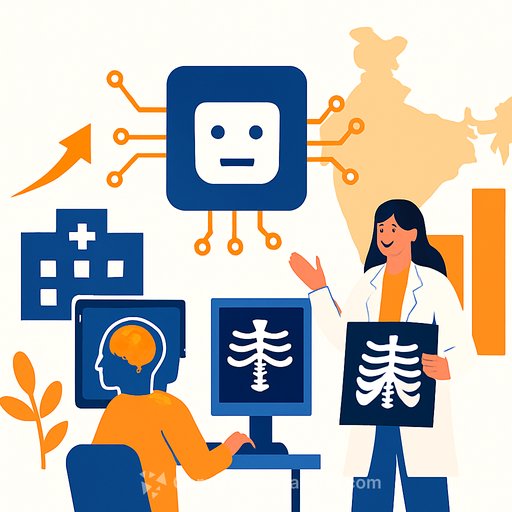
AI-Driven Growth in India’s Radiology Sector
India is experiencing a clear increase in the adoption of diagnostic radiology devices. This growth is fueled by the integration of AI-powered technologies and remote monitoring solutions. These advancements are helping healthcare professionals improve diagnostic accuracy and patient care efficiency.
Key Factors Behind the Growth
- AI-Powered Technologies: Artificial intelligence is enabling faster image processing, automated reporting, and enhanced detection of abnormalities.
- Remote Monitoring Solutions: These tools allow radiologists to assess imaging data from different locations, expanding access to quality diagnostics.
- Rising Disease Burden: Increasing cases of chronic and lifestyle diseases are driving demand for comprehensive diagnostic services.
- Healthcare Infrastructure Investment: More funding is being directed toward modernizing medical facilities and acquiring advanced radiology equipment.
These factors together are contributing to a growing market for diagnostic radiology in India, supporting better patient outcomes and more efficient healthcare delivery.
What Healthcare Professionals Should Know
For radiologists and healthcare providers, staying updated on AI trends is becoming essential. AI tools can help reduce diagnostic errors and speed up workflows, but proper training and integration into existing systems are crucial.
Professionals interested in building skills in AI applications within healthcare can explore specialized courses. For example, Complete AI Training offers relevant programs that cover AI technologies used in medical imaging and diagnostics.
Embracing AI and remote technologies can enhance service quality and expand reach, especially in underserved areas. This approach aligns with the broader goal of improving healthcare accessibility and efficiency in India.