
AI news ·
AI music tools give independent artists faster, cheaper path to production
AI tools like Suno, AIVA, and LANDR now let independent artists write, produce, and master tracks in days without expensive studios. Copyright and ownership questions remain unsettled, but adoption keeps growing.
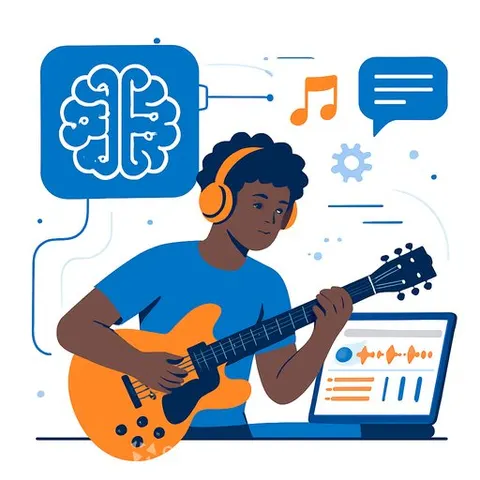
AI Music Tools Give Independent Artists a Faster Path to Production
Artificial intelligence is now standard in recording studios worldwide. Artists, producers and songwriters are using AI tools to generate melodies, isolate vocals, master tracks and distribute music in days instead of months.
Platforms like Suno, Udio, AIVA, Soundraw and Boomy let creators build complete tracks from text prompts. They can experiment with song structures and instrumental arrangements in minutes-a process that once required expensive studios and large production teams.
For independent artists without access to professional facilities or significant budgets, the shift matters. These tools reduce the cost and time required to move from idea to finished track.
Beyond songwriting: Production and mastering
AI's impact extends past composition. Services like LANDR and iZotope Ozone automate mastering, while Lalal.ai and Moises separate vocals from instruments with precision that would have required manual work years ago.
Artists also use AI to produce demos, remixes and promotional content faster. Social media and streaming platforms demand constant output, and AI tools help creators keep pace.
The ownership question
The rapid adoption has sparked legitimate concerns. Copyright ownership, artist consent and the use of AI-generated vocals remain unresolved across the industry. Technology companies, record labels and music rights organizations are still negotiating these issues.
These debates haven't slowed adoption. Emerging artists see AI as a competitive advantage in a crowded market, while established musicians use it to refine workflows and explore new directions.
Beyond the studio
AI-generated visuals, virtual performers and interactive experiences are becoming common at concerts and festivals. Streaming services use AI to improve music discovery, matching listeners with songs based on their habits.
Industry observers expect AI to remain a permanent part of music creation. Rather than replacing human creativity, the current generation of tools is changing how artists work-giving them more freedom to experiment and reach global audiences.
Learn more about how AI tools are reshaping creative work and how generative art is democratizing creative fields.