
AI news ·
AI-powered influencer marketing raises authenticity questions as virtual avatars reshape brand engagement
AI avatars offer brands 24/7 personalized engagement and lower production costs, but risk eroding consumer trust if not clearly labeled as artificial.
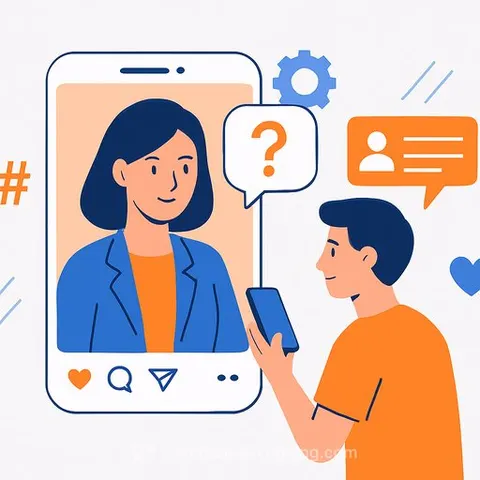
Artificial intelligence-driven avatars are already reshaping how brands promote products, build trust, and manage consumer relationships. These virtual influencers-ranging from fully fictional CGI characters to AI-powered versions of real human creators-offer hyper-personalized, always-on engagement that human talent cannot match.
The core appeal for marketers is clear: AI influencers never tire, never age, and generate content at a scale impossible for human teams. They adapt to trending topics instantly, respond to comments in real time, and can be tailored to a brand's exact aesthetic and values. The result is lower production costs and faster campaign rollouts.
But can a non-human face still foster genuine emotional connection?
The authenticity problem
Authenticity has long been the currency of influencer marketing, and it runs deeper than just production efficiency. Followers trust real people because of vulnerability, shared experiences, and unscripted moments. AI avatars, by design, are flawless and scripted, which can feel hollow to increasingly savvy audiences.
There is also a growing concern about deception. "If an AI influencer is not clearly labeled as such, consumers may unknowingly form parasocial bonds with a machine," the report notes. That can lead to backlash when the truth emerges, making transparency a moral imperative for brands.
The opportunity side
AI influencers do offer concrete benefits. They can represent diverse body types, cultures, and identities without casting constraints. For niche markets where human influencers are scarce or expensive, AI avatars democratize access to influencer-style marketing for small businesses. They can also be used for public service messaging or 24/7 mental health support in a non-judgmental format.
Yet the crisis is not just about deception. When brands replace human voices with polished algorithms, they remove the organic, messy quality of real opinion from the conversation. That can lead to cultural homogenization, where authentic expression is marginalized in favor of algorithmic optimization.
Why this matters for marketers
The path forward requires ethical integration: clear labeling, human oversight in creative direction, and a commitment to preserving genuine dialogue with consumers. For marketing pros, the real test is whether the efficiency gains from AI influencers outweigh the trust erosion that can follow. Complete AI Training can help your team stay up to date on how to implement these tools safely.