
AI news ·
AI risks embedding racial inequities, briefing warns
AI systems used in healthcare risk worsening racial inequities if bias in training data and algorithms goes unchecked, a new briefing warns. The caution comes as AI tools are increasingly deployed across the NHS for triage and diagnostics, where skewed outputs can shape clinical decisions and...
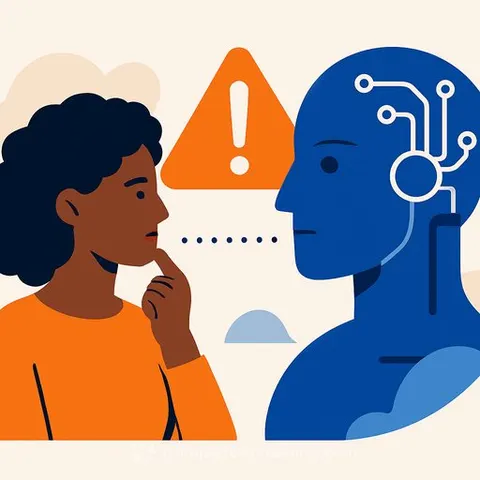
AI risks embedding racial inequities, briefing warns
A new briefing has warned that artificial intelligence systems used in healthcare risk embedding and worsening racial inequities if bias in the data and algorithms that underpin them is not addressed. The warning comes as AI tools are increasingly deployed across the NHS and other health systems for tasks ranging from triage to diagnostics.
The briefing cautions that models trained on datasets that underrepresent minority ethnic groups can produce skewed outputs. Those outputs, in turn, shape clinical decisions, resource allocation, and patient outcomes. The concern is not hypothetical: studies have already documented disparities in algorithmic tools used for kidney function assessment and other clinical applications.
How bias enters AI systems
Bias can enter at multiple points. Training data may reflect historical inequalities in access to care, diagnostic coding, or treatment patterns. Algorithms may then learn those patterns and reproduce them. In some cases, the bias is baked in before a single clinician ever sees the output.
The briefing highlights the need for auditing datasets for representativeness and for testing models across different demographic groups before deployment. Without such checks, the risk is that AI systems perform well on average but poorly for specific populations - a failure that often goes undetected until harm has already occurred.
Governance and accountability gaps
The briefing also points to gaps in governance. Many AI tools entering clinical use have not been subject to the same regulatory scrutiny as medical devices, and there is little transparency about how vendors train and validate their models. This makes it difficult for NHS organisations to assess whether a tool is safe for the populations they serve.
For professionals working in integrated care systems and primary care, the practical implications are immediate. Decisions about which AI tools to procure, how to monitor their performance, and when to override their recommendations all require a working understanding of how these systems can fail. Training in AI for Healthcare is one route to building that capability. Equally relevant are AI Data Analysis Courses, which cover the statistical methods used to detect bias in datasets and model outputs.
Why this matters for healthcare professionals
Healthcare professionals do not need to become data scientists, but they do need enough literacy to ask the right questions: Who was in the training data? How was the model validated? What happens when it encounters patients unlike those in its development sample? The briefing makes clear that these questions are not technical add-ons - they are central to patient safety and equitable care.