
AI news ·
Automation and AI erode entry-level jobs that once built hotel leaders, industry warns
AI is eliminating entry-level hotel jobs that once trained future leaders. Hospitality school enrollment has dropped 50% worldwide, threatening the pipeline for managers.
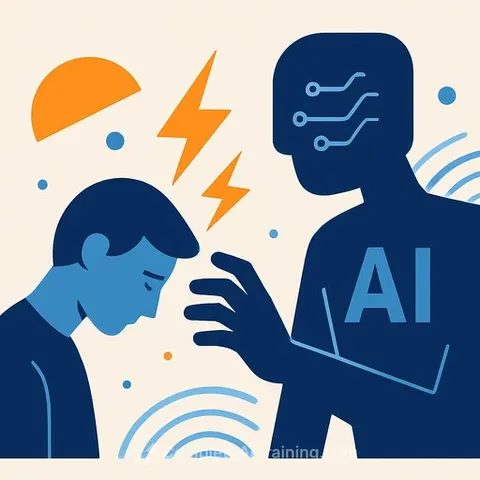
Automation and artificial intelligence are quietly eliminating the entry-level jobs that have long served as the proving ground for future hotel leaders. A recent opinion piece in the hospitality trade press argues that as AI handles front-dick check-ins, revenue analysis, and even marketing internships, the industry is losing the hands-on experience that once shaped its general managers and department heads.
The article points to a February 2026 report from Gathering Point News showing enrollment down by as much as 50% at event, tourism, and hospitality schools worldwide. "Fewer students will lead to fewer managers and in the end to fewer leaders," the piece states. At the same time, AI-driven workflows are reducing the number of repetitive tasks that gave junior staff the chance to learn the business from the ground up.
The vanishing training ground
The classic path from dishwasher or steward to hotel general manager is under threat. The article recalls a chef who "learned the value of food costs by peeling potatoes not too thick," and a duty manager who handled so many guest complaints that it became a skill. Those formative experiences are being automated away. "How can a leader lead without having followed first?" the piece asks.
Properties that once relied on human interaction now lean heavily on technology. At one London restaurant, guests scan a QR code at the entrance, order via phone, and tip for "service" without ever speaking to a staff member. A hotel receptionist recently told the author to check Google for local recommendations. The piece argues that these are "not encouraging signs for where we are heading."
What AI leaves behind
AI can free staff from paperwork to focus on guest experience, but the article warns that "performing these tasks repeatedly over years makes them an expert and qualified to make judgments based on the experience they have gained." Without that repetition, future managers may lack the judgment that comes only from making mistakes.
The article draws an analogy to pilots who fly on autopilot but can always revert to manual because of years of detailed training. Hospitality companies need to redesign training programs to preserve that hands-on foundation while using AI efficiently. The piece also calls for clearly naming and promoting transferable skills as a way to build a pipeline when traditional career paths are disappearing.
Why this matters for hospitality and events professionals
If you work in hospitality or events, the erosion of entry-level learning roles means your own career progression may rely less on "doing the exact job somewhere else" and more on proven transferable skills. Hotel companies that fail to create new training grounds - blending AI with real guest interaction - will struggle to develop leaders who can handle the unexpected. Until the industry can answer where future leaders will learn to make mistakes, the pipeline will remain broken, and the next generation of managers will have operated dashboards before handling a real guest.