
AI news ·
Beyond the Hype: Unveiling the Real Impact and Limits of AI Chatbots in Healthcare
AI chatbots show high diagnostic accuracy but lack empathy and accountability. Experts urge caution, highlighting AI’s limits and the human cost behind its rise.
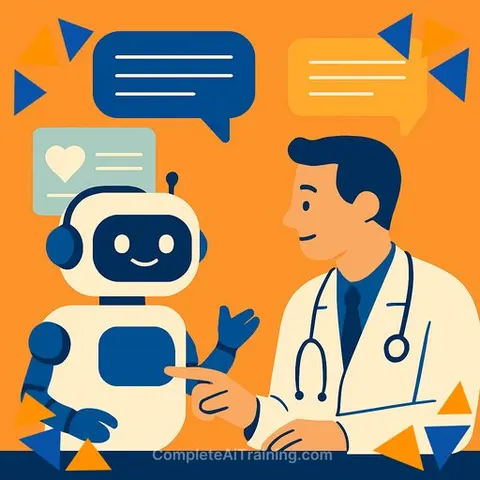
Are Chatbots Smarter Than Doctors? The Real Truth Behind AI in Healthcare
At the end of 2024, a major news outlet highlighted the impressive diagnostic accuracy of AI chatbots, claiming they outperform traditional doctors—reporting 90% accuracy compared to 74% for humans. This has fueled optimism about AI's potential in medicine. But is this enthusiasm grounded in reality?
Nandan Nilekani: Holding AI to Higher Standards
Infosys co-founder Nandan Nilekani points out a crucial distinction: human errors, while unfortunate, are common and accepted, like car accidents. AI errors, however small, attract intense scrutiny because AI lacks true understanding and accountability. It cannot be held responsible like a person can. This makes blind trust in AI risky, especially when lives are at stake.
Can AI Replace Doctors? The Debate
Figures like Bill Gates suggest AI might one day replace medical professionals. Yet, this would require AI to have reasoning and consciousness akin to humans—something current technology is far from achieving. Despite high diagnostic rates, AI lacks empathy, context awareness, and the ability to make complex decisions that healthcare demands.
Limitations of Large Language Models
Much of today’s AI progress comes from Large Language Models (LLMs) such as ChatGPT, Gemini, and LLaMA. AI expert Yann LeCun warns these models may soon be outdated. Issues like hallucinations and biases remain unresolved. Critics including Gary Marcus and cognitive scientists Arvind Narayanan and Sayash Kapoor emphasize that LLMs detect patterns, not meaning. This leads to fabricated or inaccurate information regardless of dataset size or quality.
The Human Cost Behind AI Training
What often goes unnoticed is the human labor behind AI training. Labeling massive amounts of data, including toxic or sensitive content, is frequently outsourced to workers in developing countries. These tasks can be emotionally taxing and exploit vulnerable populations. The AI boom is as much a socio-economic issue as it is a technological one.
AI Hype and Real Risks
In his book Taming Silicon Valley, Gary Marcus outlines three tactics tech companies use to fuel AI hype:
- Making exaggerated claims about achieving Artificial General Intelligence (AGI)
- Using China as a competitive threat to stir urgency
- Spreading doomsday or utopian narratives about AI’s future impact
These tactics boost stock prices and secure funding but distract from immediate challenges like misinformation, cybercrime, and labor exploitation.
Responsible Innovation Over Sensationalism
AI has the potential to improve healthcare efficiency, especially for repetitive, isolated tasks. However, its current capabilities are often overstated. Investment should balance AI development with public funding in life sciences. If the goal is to replicate human intelligence, there must be clear, realistic plans from governments and corporations—not just hype.
For healthcare professionals interested in understanding practical AI applications and training, exploring reputable courses can be valuable. Resources like Complete AI Training’s healthcare-focused courses offer grounded insights into AI tools and their realistic uses in medical settings.