
AI news ·
Busan launches artificial intelligence platform to convert local waste into eco-friendly products
Busan is recruiting firms to turn coffee grounds and oyster shells into consumer goods using AI design. Applications for the pilot close on the 7th.
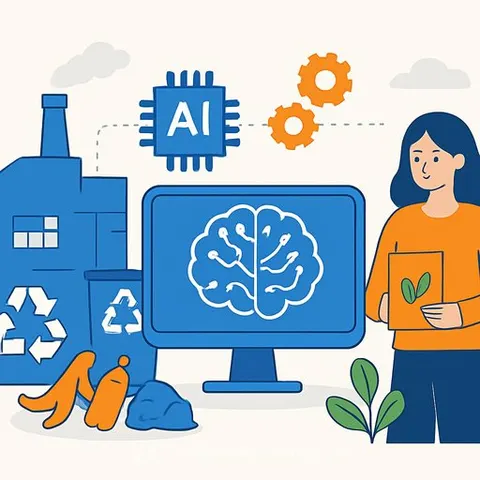
Busan is recruiting companies for a pilot project that turns local waste-coffee grounds, oyster shells, and cork-into consumer products using AI-driven design. The city and Busan Techno Park announced the recruitment on the 27th, with applications open through the 7th of next month. Selected firms will take product ideas from concept to prototype, testing the commercial viability of AI-generated designs paired with recycled materials.
AI-powered design and material matching
The platform's AI engine analyzes emotional language to generate 3D design drafts-a practical application of AI for Product Development-and recommends color, material and finish (CMF) options alongside recycled materials. This reduces development time and trial and error. Participating companies receive support across the full process: concept planning, design engineering, material matching, prototype production, and testing. Because the pilot runs in parallel with platform development, firms can feed user experience and improvement suggestions back early, shaping real-world usability.
From coffee grounds to shoe components
The pilot will use waste resources generated in Busan to make cups, key rings, trays, shoe components, slippers, and stools. These products test marketability in daily-life and fashion categories. The city sees footwear, fashion, and household goods as local core manufacturing sectors that can integrate recycled materials with AI design.
A resource-circulating industrial ecosystem
Moon Jung-joo, head of the city's Future Design Bureau, said, "We will transform the resource utilization approach, which has centered on waste disposal, into a design-based high-value industry, and build a resource-circulating industrial ecosystem that combines local core manufacturing sectors such as footwear, fashion and household goods with AI technology."
Starting with this pilot, the city plans to build an AI design and recycled materials database, continuously upgrading material recommendation and matching functions and linking manufacturing companies. Accumulated usage data will improve AI design generation quality and material recommendation accuracy, while expanding collaboration between design and manufacturing firms.
Why this matters for product developers
For product development teams, this pilot shows a model where AI slashes the time from concept to prototype by automating 3D design and material selection. Companies that join such early-stage platforms can influence tool development and gain first access to a database of recycled materials vetted for specific manufacturing processes. The project's focus on emotional language input and CMF recommendation points to a future where design briefs translate into physical samples with less manual iteration, lowering both cost and risk for sustainable product launches.