
AI news ·
Cannes Lions 2026 highlights Africa's growing creative influence and the limits of artificial intelligence
The 2026 Cannes Lions festival featured AI and creators, but attendees found relationships still drive real opportunities. Long-term networking matters more than just attending.
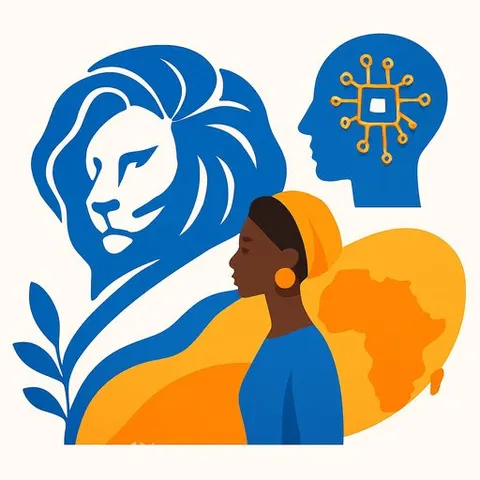
The 2026 Cannes Lions International Festival of Creativity laid bare urgent shifts in how global brands value creative work, with artificial intelligence, the creator economy, and Africa's rising influence dominating conversations. For creatives everywhere, the event underscored that technology may open doors, but lasting opportunity still depends on who you know and how you build trust.
Attendees described the festival as far more than an awards show. It was a space where advertising collided with technology, storytelling met business strategy, and influence was negotiated in hallway conversations as much as on stage. One participant who navigated the event as a journalist, creator, nonprofit advocate, and tech founder found that each perspective revealed a different version of Cannes-stories, communities, collaboration opportunities, and validation that building innovative technology outside traditional hubs remains possible.
The access illusion
A brief encounter with Simon Cook, CEO of Cannes Lions, crystallized a hard truth about modern networking. During an award ceremony, Cook walked within a few feet of the attendee, acknowledged others nearby, and continued on. It was not a personal slight, but a reminder that being in the room does not guarantee meaningful relationships. In the creator economy, genuine opportunities are rarely born from quick introductions. They are built through consistent engagement before events, thoughtful follow-ups, and relationships cultivated long before conference badges are printed.
That lesson was reinforced by the unpredictable nature of access. Applications for media accreditation from several major outlets were unsuccessful, yet the Financial Times and the BBC provided opportunities that shaped much of the festival experience. The mismatch drove home a point: rejection often redirects people toward the doors where they belong rather than defining their trajectory.
Africa's creative infrastructure
One of the most encouraging developments was Africa's growing presence in global creative conversations. Sessions featuring African creators were no longer treated as diversity showcases. They focused on influence, innovation, and business. A particularly memorable discussion explored how African creators are building culture itself as infrastructure-exporting ideas, communities, narratives, and economic models, not just entertainment. The shift signals that African talent is increasingly commanding international attention on merit.
Meeting creators and entrepreneurs from across the continent reinforced the confidence that Africa's creative economy is no longer waiting for permission to participate. It is steadily becoming part of the conversation that defines the future.
AI's dominance and human limits
Artificial intelligence permeated nearly every corner of the festival, from beachside demos with autonomous robots to award-winning campaigns driven by machine learning. Yet the most valuable moments were not generated by algorithms. They came from conversations, shared meals, spontaneous introductions, and friendships formed in creator communities. For creatives, understanding how to integrate AI tools-like those covered in AI for Creatives-while preserving authentic human connection can be the difference between novelty and lasting impact.
That reality was especially clear in the YouTube Creator Club, where creators from different countries connected beyond content production. Those interactions cannot be automated. Technology may enhance creativity, but relationships remain irreplaceable.
Creators become the main event
Brands no longer invite creators merely to document experiences. Increasingly, creators are the experience. They moderate discussions, host networking events, shape public conversations, and attract audiences that traditional advertising alone cannot reach. Companies such as Netflix, Forbes, Zoom, and Lowe's demonstrated this evolution by positioning creators as long-term strategic partners, not just influencers. This transformation reflects where marketing is heading globally: communities drive influence more effectively than campaigns, and trust carries greater commercial value than reach.
For African brands, the shift presents enormous opportunities. Investing in authentic creators capable of building trusted digital communities may prove far more valuable than traditional advertising models. The same holds for any creative professional: building a genuine community now can translate into strategic partnerships later.
Why this matters for creatives
The festival's most enduring lesson is that preparation for global opportunities begins almost immediately after the previous edition concludes. Successful participants book accommodation nearly a year in advance, develop brand partnerships over months, and earn speaking invitations through long-term visibility on platforms like LinkedIn. Those hoping to maximize opportunities at Cannes 2027 should start building relationships today.
As one participant reflected, "The future belongs neither to artificial intelligence nor to creativity alone. It belongs to people capable of combining both while maintaining authentic human connection." In an era increasingly shaped by automation, genuine relationships have become even more valuable. Creatives who invest in both technical skill and human trust will be the ones who turn fleeting visibility into lasting influence.