
AI news ·
CECA Report: Embracing AI for Safer, Smarter Construction in the UK
CECA's report shows AI can boost UK construction by improving design, safety, and efficiency. It urges cautious adoption with clear standards and focused training.
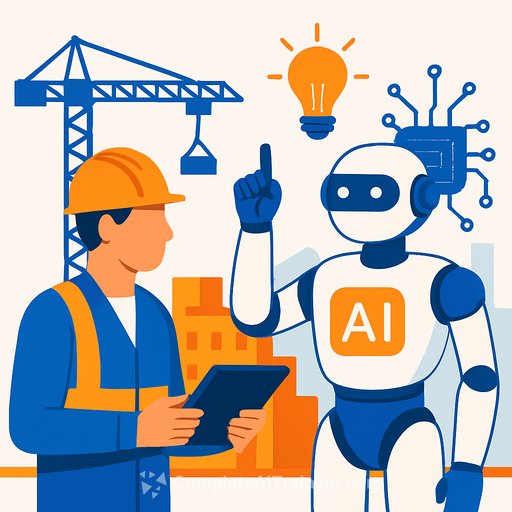
The Civil Engineering Contractors Association (CECA) has published a report titled AI in UK construction, outlining how artificial intelligence can bring tangible benefits to the construction sector. The report also provides practical recommendations for safely implementing AI technologies in construction projects.
AI as the next major leap in construction
The report highlights AI’s potential to enhance project performance, automate processes, and accelerate development. Some UK construction firms have already started using AI to optimise designs, detect errors early, speed up decision-making, improve commercial outcomes, and strengthen health and safety measures.
Specifically, in project planning and design, AI can analyse existing datasets to generate numerous design alternatives, evaluate them, and suggest improvements. It can keep digital models current as projects evolve and identify errors arising from human changes or its own processes. By referencing standards, codes, and historical error data, AI helps review designs and spot recurring issues.
Proceeding with caution
While AI offers clear advantages, the report stresses the importance of managing associated risks. These include concerns about data privacy, over-reliance on AI tools, cybersecurity threats, ethical challenges, and the potential loss of intellectual property. Importantly, current UK legislation does not yet address many of these issues.
Recommendations for managing risk
- Promote existing standards for adopting AI in construction.
- Develop a specific review focusing on the risks AI introduces to the sector.
- Create confidential reporting mechanisms for AI-related risks.
Encourage cross-industry collaboration
- Support current AI initiatives within the construction sector.
- Build or back a construction AI community to share knowledge and best practices.
- Develop a clear AI implementation plan tailored to construction.
Focus on training
- Signpost existing AI training resources relevant to construction roles.
- Create role-specific AI training to address unique job requirements.
- Include security and ethics in AI training programs.
- Integrate AI education into ongoing professional development.
CECA’s chief executive emphasises that AI should support human decision-making rather than replace it. The goal is to help contractors—from large firms to SMEs—make informed technology investments and improve workforce skills. This approach aims to deliver efficiency gains that benefit the entire UK economy and taxpayers.
For professionals looking to deepen their AI knowledge and skills within construction or related fields, exploring targeted training programs can be a practical step forward. Platforms like Complete AI Training offer courses tailored to various job roles, including those in construction and real estate.