
AI news ·
China publishes draft cyberbullying law covering AI-generated abuse
China's draft cyberbullying law targets AI abuse and mandates real-name verification. Platforms face fines up to $1.5 million or shutdowns for violations.
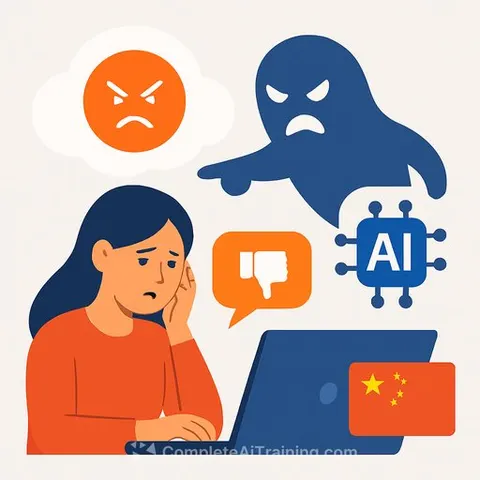
China's cyberspace regulator on Wednesday published a draft cyberbullying law that explicitly targets AI-generated abuse, requiring real-name verification for posters and giving authorities the power to fine platforms up to 10 million yuan ($1.5 million) or shut them down. The proposal, open for public comment until 28 August, extends Beijing's control over online harassment across the world's largest internet user base and applies to overseas actors who direct cyberbullying at the country.
Identity verification and AI content obligations
Under the draft, platforms must confirm a user's real identity before that user can post information or send instant messages. Anonymity has powered a large share of online abuse in China, and this provision goes straight at it. The AI clause requires platforms to trace the risk of cyberbullying content that AI tools generate or spread, take that content down, block it, and notify authorities. Educational institutions would also have to fold anti-cyberbullying material into their curricula.
Penalties climb steeply. Service providers that break the rules could be fined up to 10 million yuan, have their websites or applications shut down, or lose their business licences outright.
Extraterritorial reach and enforcement
The draft law covers cyberbullying conducted within China and also applies to organisations and individuals abroad who target the country. This mirrors the approach Beijing has taken in other digital rules, though enforcement against parties with no Chinese presence will be difficult.
Protections for vulnerable users and legal recourse
Beyond the core provisions, the regulator's statement says internet service providers must alert users to possible abuse risks, offer anti-abuse tools, and report cases involving minors, older people or people with disabilities. Victims can also seek court orders to stop confirmed abuse when providers fail to act, and courts must accept those applications. If abuse harms national or public interests, procuratorates or designated bodies may bring public interest litigation.
Context and implications for platforms
Beijing already runs detailed AI regulations covering recommendation algorithms, synthetic media and generative AI. The cyberbullying draft puts harassment on the same footing as those frameworks, placing most of the burden on platforms rather than the poster. The same mechanisms that make abuse traceable-logging requirements, blacklists and identity checks-also enable broad surveillance. The draft describes cyberviolence expansively, covering pile-ons, defamation and AI misuse in one category. The regulator framed the proposal as a response to public concern after high-profile cases. For legal professionals, the draft is a concrete example of how AI for Legal compliance frameworks are evolving to address AI-generated harms.
Why this matters for legal professionals
The draft law places liability for AI-generated abuse squarely on platforms, requiring compliance teams to implement real-name verification, content tracing and rapid takedown processes. The extraterritorial clause means non-Chinese platforms that host user-generated content may face enforcement risks if their services are used to direct harassment at China, even without a physical presence. Legal counsel advising on cross-border digital services should review the draft's requirements and prepare for the possibility that similar obligations could emerge in other jurisdictions.