
AI news ·
Clinician Buy-In: The Key to Successful AI Adoption in Healthcare
Clinician support is key for AI success in healthcare, focusing on tools that ease workloads and improve patient outcomes. Trust builds through early wins and ongoing collaboration.
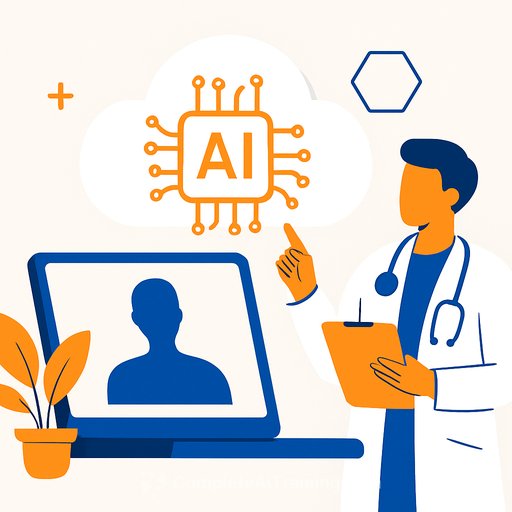
Achieving AI Success in Healthcare
Gaining support from clinicians and operational end-users is crucial for AI success in healthcare. Hospitals must engage these users deeply—not just to understand new AI tools but also to collaborate with vendors on refining and integrating solutions into daily workflows.
Healthcare professionals, especially physicians and nurses, face heavy workloads. AI solutions should ease their tasks in meaningful ways rather than being merely interesting experiments. Selecting problems that directly reduce their burdens is key to securing their commitment.
Start with Clinician-Identified Priorities
Successful AI adoption begins by addressing challenges that clinicians themselves have highlighted. For example, AI scribes have gained strong traction because they help reduce documentation stress, a major pain point for many healthcare workers.
When clinicians see that AI tools tackle real issues they care about, they are more willing to invest time in refining and adapting these tools.
Focus on Improving Patient Outcomes
Clinician buy-in also grows when leadership clearly links AI solutions to better patient care. Many healthcare workers enter the field driven by a desire to improve lives. A shared commitment to critical problems, like sepsis prediction, which affects thousands daily, creates a strong foundation for AI initiatives.
- Choose problems with clear, meaningful impact on patient outcomes
- Emphasize how AI tools support quality care
- Maintain transparent communication about goals and progress
Build Trust Gradually
AI success takes time. Clinicians need to see early wins before fully committing to the ongoing effort of adapting AI tools. Trust and buy-in develop through consistent, small achievements that prove the value of the technology.
Hospitals must plan for a long-term process, ensuring users remain engaged throughout.
Looking Ahead
AI has the potential to make healthcare more accessible, affordable, and effective over the next several years. Achieving this requires thoughtful implementation with clinicians’ needs and patient outcomes at the center.
For healthcare professionals interested in expanding their knowledge of AI and its applications, exploring specialized courses can provide practical skills and insights. Check out Complete AI Training’s latest AI courses for options tailored to healthcare and other fields.