
AI news ·
Companies use AI as cover for layoffs driven by poor management, researcher warns
Some companies are blaming AI for layoffs that stem from poor management, a UNSW researcher warns. The tactic lets executives reframe bad decisions as forward-thinking strategy.
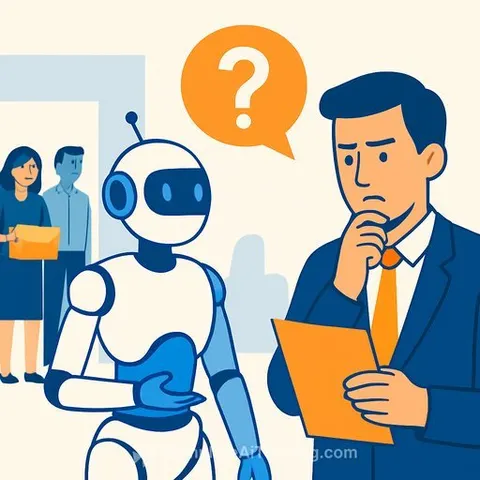
Companies blame AI for layoffs to hide management failures, researcher warns
Some organisations are attributing job cuts to artificial intelligence investment when the real causes are poor performance and mismanagement, according to Toby Walsh, chief scientist at the UNSW Sydney AI Institute.
Walsh said companies have financial incentive to frame redundancies as AI-driven. "A company that's been perhaps not very well managed, and rather than saying that we've been poorly managed, they've been saying: 'Well, we're investing in AI,'" he said in UNSW's The Business Of Podcast.
Markets reward this framing. A CEO looks better announcing 10% layoffs tied to AI strategy than admitting mismanagement caused the cuts.
The numbers don't add up
The pattern is visible in US data. An outplacement firm found AI was cited as a factor in more than 54,000 US layoffs in 2025, compared with fewer than 8,000 job losses blamed on tariffs.
Economists question this gap. ChatGPT was released three years ago. "It is not the case that a new technology develops and the workforce adjusts immediately," said Martha Gimbel, executive director of the Budget Lab at Yale University.
Fabian Stephany, a research lecturer at the Oxford Internet Institute, said AI serves as convenient cover for cuts made for conventional reasons. Executives position themselves as technological leaders by claiming they must remove staff to integrate new systems.
The real risk: losing your talent pipeline
The distinction matters. AI washing distorts public understanding of how fast the technology actually displaces jobs.
The most visible impact so far is on entry-level and graduate roles. This erodes the talent pipeline that feeds middle and senior management. "Where are those middle managers and higher managers going to come from?" Walsh asked. "Where are they going to learn about the business?"
Some companies are moving too quickly with AI anyway. JP Gownder, a Forrester vice-president, said CEOs unfamiliar with AI implementation are laying off 20 to 30% of staff expecting AI to backfill the roles. That's a mistake.
What successful companies actually do
The organisations that win use AI to support their people, not replace them. Your employees' knowledge and expertise are your most valuable assets.
Walsh said the strategy is clear: invest in making your people AI-capable and AI-literate. That's where the competitive advantage lies.
For management teams, this means rethinking how you approach AI adoption. Rather than viewing the technology as a headcount reduction tool, treat it as a way to amplify what your existing team can do. The companies that do this will retain institutional knowledge and avoid the talent pipeline collapse that catches up with those pursuing layoffs today.
Learn more about AI for Management and how to develop AI-literate teams, or explore the AI Learning Path for CHROs to understand AI's actual workforce impact.