
AI news ·
Former Anthropic researcher Jacob Coxon testifies at New York City Council hearing on AI safety risks
Former Anthropic researcher Jacob Coxon will testify under oath before the NYC Council on October 5, 2026-the first compelled sworn testimony on AI safety in the US.
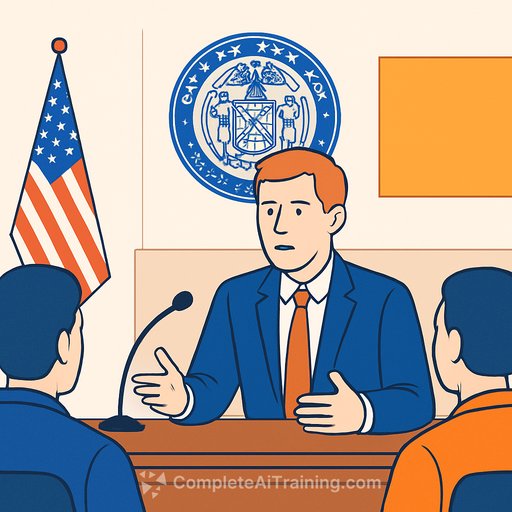
Former Anthropic researcher Jacob Coxon will testify under oath before the New York City Council on October 5, 2026, marking the first time a US legislative body has compelled sworn testimony on AI safety. Representatives from Anthropic, OpenAI, Google, and Meta will also attend the session, which follows Coxon's viral resignation video that has been viewed over 173 million times and helped drive the council's decision to hold the hearing.
SpaceX was served a subpoena for the hearing after the company failed to comply with earlier requests for information. The council's aggressive posture signals a shift from voluntary industry cooperation to formal legal mechanisms for oversight.
Three bills on the table
The hearing will examine three proposed pieces of legislation. The first would require mandatory third-party validation of AI systems used by city agencies. The second creates financial incentives for whistleblowers who report dangerous AI development practices. The third would establish a legal right for individuals to sue for damages caused by AI systems.
The bills reflect a growing frustration among policymakers with self-regulation. None of the measures have been adopted yet, but the hearing represents the most concrete legislative action on AI safety at the municipal level to date.
Coxon's warnings and the industry response
Coxon resigned from Anthropic in early September, issuing a public warning about existential risks from advanced AI systems. His resignation video quickly spread across social media platforms. Anthropic's Evan Hubinger has separately warned of a greater than 10% chance of lethal AI within a decade, pointing to risks involving bioweapons and loss of human control over autonomous systems.
Some critics have questioned Coxon's ties to an AI safety advocacy public relations firm. Coxon has denied those connections influenced his testimony or public statements.
Why this matters for executives and legal teams
The NYC hearing signals that AI liability is moving from abstract debate to concrete legislation. The whistleblower incentive bill, in particular, creates new compliance obligations for companies building or deploying AI systems. Internal safety practices that were previously protected by non-disclosure agreements could become the subject of public disclosure and legal action.
For government affairs and legal professionals, the subpoena issued to SpaceX demonstrates that non-cooperation carries escalating consequences. Organizations with AI operations should review their compliance posture now - before similar measures reach other jurisdictions. Professionals tracking regulatory developments can find relevant training through AI Public Policy Courses and AI Regulatory Compliance Courses.