
AI news ·
Healthcare executives push for wider patient use of AI diagnostics while regulatory and bias concerns persist
Healthcare executives are pushing for broader patient use of AI diagnostic tools, even as issues around accuracy, bias, liability, and regulation remain unsettled. Medical groups and patient advocates have raised concerns about moving too fast.
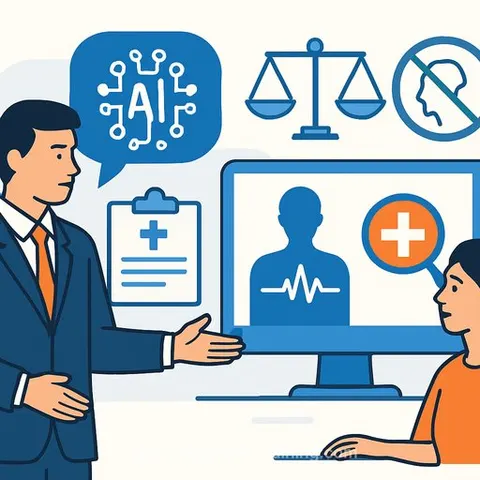
Healthcare Executives Push for Wider Patient Use of AI Diagnostics
Healthcare industry leaders are calling for patients to adopt AI-powered diagnostic tools more widely, even as significant technical and regulatory hurdles remain unresolved.
Pharmaceutical and biotech executives say patients should be using machine learning algorithms to better understand their health conditions than current adoption rates show. The push reflects growing interest in using AI for early disease detection and personalized treatment recommendations across healthcare systems worldwide.
The potential benefits are substantial. AI diagnostic tools could reduce diagnosis times and extend medical expertise to underserved regions where specialists are scarce.
Unresolved Concerns
Industry leaders acknowledge serious obstacles blocking widespread deployment:
- Accuracy validation - determining how reliably AI systems perform across patient populations
- Algorithmic bias - ensuring AI recommendations don't discriminate against specific groups
- Regulatory oversight - establishing clear approval and monitoring standards
- Liability questions - clarifying responsibility when AI systems make errors
- Data privacy - protecting patient information in AI systems
- Clinical judgment - determining the appropriate balance between AI assistance and human decision-making
Healthcare providers are currently piloting various AI diagnostic platforms while working to establish best practices. Medical professionals and patient advocacy groups continue to raise concerns about implementation approaches.
The Path Forward
The healthcare industry faces a critical decision point. Expanding patient access to AI for Healthcare tools requires careful attention to technical, ethical, and regulatory challenges before these systems become standard practice.
Healthcare professionals evaluating AI adoption should focus on solutions that address accuracy, bias, and governance alongside clinical utility. The goal remains clear: AI should enhance patient care, not compromise it.