
AI news ·
Healthcare leaders call for transparency about AI use with patients and staff
To build patient trust in AI, hospital executives say they require clinicians to tell patients when AI assists in diagnosis or treatment. Without such transparency, leaders warn that even accurate AI outputs risk being seen as untrustworthy.
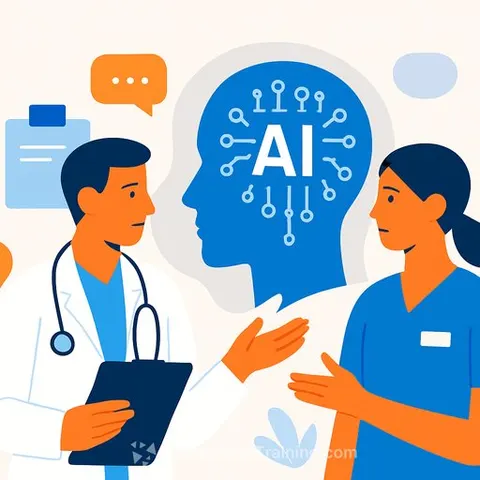
Healthcare systems are deploying AI more frequently for tasks like diagnostics and workflow management, but leaders say the technology's long-term value depends on patient trust. In the latest Chief Healthcare Executive Roundtable video, hospital executives outlined how they discuss AI use directly with patients and staff to ensure transparency.
Openness as a foundation for adoption
The panel argued that patients are more likely to accept AI-driven care if they understand where and why it is used. Leaders described internal policies that require clinicians to inform patients when AI assists in diagnosis or treatment planning.
"We need to be open with patients about the use of AI," the panel said in the video, adding that transparency builds confidence in the technology. Without it, even accurate AI outputs risk being perceived as opaque or untrustworthy.
Staff training and cultural buy-in
The roundtable also focused on internal communication. Leaders spoke about training staff to explain AI's role to patients in plain language, and ensuring that doctors and nurses feel comfortable questioning AI recommendations. One participant noted that "if staff don't trust the tools, patients won't either."
For healthcare professionals, this means that AI literacy is now a job requirement. Understanding what an algorithm can and cannot do is no longer optional. Professionals who want to stay ahead can explore AI for Healthcare training to build the foundational knowledge needed to work effectively with these systems.
Turning AI toward prevention
The panelists argued that AI's greatest potential lies in identifying health risks before they escalate. Predictive analytics for patient deterioration, early cancer detection, and population health management were cited as areas where AI's impact could shift the system from reactive treatment to prevention.
This goal requires not just technical deployment but organizational commitment to acting on AI insights. "You can have the best algorithm in the world," one panelist said, "but if no one acts on it, benefits vanish."
Why this matters for healthcare professionals
Clinicians, administrators, and IT staff must prepare for a professional environment where AI tools are not optional additions but standard equipment. The roundtable's emphasis on transparency and training suggests that the next wave of AI adoption will prioritize human credibility over raw performance. Healthcare workers who understand AI's practical strengths and its limits will determine whether the technology actually reduces harm - or simply adds more alerts to already overloaded workflows.