
AI news ·
How AI Detection Transforms Insurance Risk Assessment and Security Performance Metrics
AI-powered detection offers insurers real-time data on security performance, enabling more accurate risk assessments. This shifts models from checklist compliance to outcome-based evaluations.
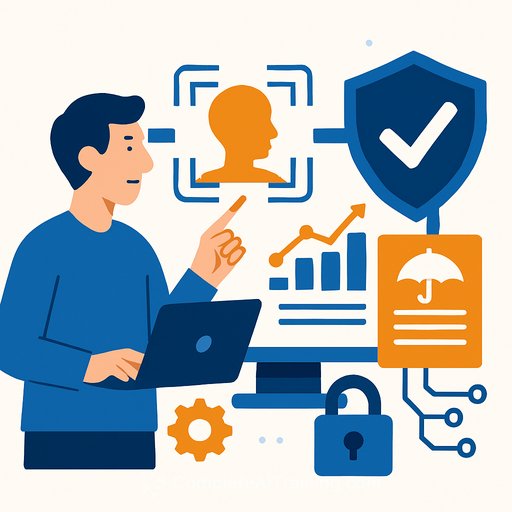
How AI Detection Can Change Risk Assessments
Insurance is fundamentally about quantifying uncertainty. Carriers assess risk, set prices, and offer coverage that helps businesses operate confidently despite the unknown. But traditional risk models often fall short when facing today’s complex security challenges.
The Data Deficit in Security Risk Assessment
When underwriting facilities open to the public, risk models usually rely on limited data points. Typical questions focus on whether a facility has guards, metal detectors, or access control systems. These yes/no answers barely capture real security effectiveness.
What’s missing is context and dynamic data. For example, how quickly are threats detected? What portion of screenings triggers secondary checks? How does security throughput handle peak times? Without these metrics, risk assessments become educated guesses rather than precise analyses.
The AI Detection Advantage
AI-powered security screening offers a new way to gather continuous intelligence on a facility’s security posture. Instead of just spotting potential threats, modern systems provide detailed data that reveal how well security measures actually perform.
For insurers, this is a breakthrough. Real-time data might show that Facility A detects 98% of threats with few false alarms, while Facility B only reaches 63% accuracy and experiences frequent slowdowns. These differences translate to distinct risk profiles that traditional questionnaires don’t reveal.
From Compliance Checkboxes to Performance Metrics
The insurance industry has a chance to shift from compliance-based assessments to performance-driven models. Currently, many approaches reward the presence of security tools, regardless of how effective they are.
With AI detection, carriers can measure actual security outcomes. This benefits insurers and insureds alike: facilities with strong security get recognized through better risk ratings, and carriers build models that more accurately predict risk. Overall, this leads to decisions based on data instead of assumptions.
Creating Insurance Products for Modern Security Challenges
Some carriers are already exploring how detection data can shape new insurance products. For instance, dynamic coverage could adjust premiums based on ongoing security performance, similar to telematics in auto insurance.
- Premium discounts might reward facilities that adopt technologies improving threat detection and providing continuous intelligence.
- New policies could address operational interruptions caused by security incidents, with pricing linked to measured prevention capabilities.
Privacy-Conscious Intelligence
AI detection systems deliver actionable insights without compromising privacy. Unlike biometric identification or extensive surveillance, these systems focus on objects rather than individuals, reducing liability and compliance concerns.
This balance is crucial for insurers and policyholders who need accurate risk data without introducing new privacy risks.
A Partnership for Risk Reduction
Effective risk management requires collaboration among security technology providers, facility operators, and insurers. Detection systems supply the intelligence for precise underwriting, while carriers create incentives that reward effective security investments.
This approach transforms security from a cost center into a strategic asset. Facilities gain protection and financial benefits, and carriers develop better risk models and products.
Insurance can continue relying on outdated models or embrace AI-driven intelligence to improve risk assessment accuracy and product innovation. Carriers that adopt this approach will better serve insureds facing today’s complex security environment.