
AI news ·
How UAE, Saudi Arabia, Oman, Qatar, and Bahrain are Revolutionizing Middle East Tourism with AI and Sustainability at Arabian Travel Market 2025
UAE, Saudi Arabia, Oman, Qatar, and Bahrain transform Middle East tourism using AI and sustainability at Arabian Travel Market 2025. Innovation drives smarter, greener travel experiences.
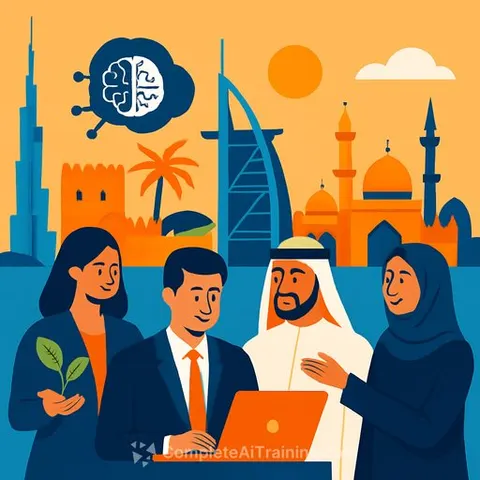
How UAE, Saudi Arabia, Oman, Qatar, and Bahrain Use AI and Sustainability to Transform Middle East Tourism at Arabian Travel Market 2025
The strategies behind how UAE, Saudi Arabia, Oman, Qatar, and Bahrain boost Middle East tourism have become clear at Arabian Travel Market (ATM) 2025. These nations are reshaping the industry using AI, data analytics, and sustainability as core pillars. Across panels and keynotes, the focus was on innovation and leadership through smart technology and green initiatives, signaling a shift in global tourism.
AI is no longer just a tool; it’s revolutionizing travel by customizing experiences, predicting traveler behavior, and improving operational efficiency. Data analytics provide actionable insights, helping destinations adapt quickly. Sustainability planning ensures this growth protects natural resources while welcoming visitors. ATM 2025 emphasized that how these countries innovate will influence the future of travel worldwide.
Record-Breaking Attendance and Industry Momentum
The 32nd Arabian Travel Market at Dubai World Trade Centre drew the largest crowd in its history, surpassing 46,000 attendees from last year. Experts and leaders gathered to showcase a new travel era focused on connectivity, sustainability, technology, and inclusivity.
This event is now more than a trade show; it’s a platform for shaping global tourism policies and partnerships. Attendees included national tourism boards, airline executives, travel tech startups, and government ministers driving climate and mobility initiatives. The estimated economic impact on Dubai alone exceeded AED 800 million, with hotels, restaurants, and transport providers experiencing high demand.
Connectivity: The Core of Tomorrow’s Travel
The theme, “Global Travel: Developing Tomorrow’s Tourism Through Enhanced Connectivity,” reflected a strategic priority. Discussions showed that connectivity—digital, physical, and emotional—is essential to restoring global mobility. It opens doors to new markets for destinations and offers travelers seamless access and flexibility.
Jonathan Hesty, Portfolio Director at RX Global, highlighted that connectivity enables cultural discovery and relationship building, critical for the industry’s growth post-pandemic.
Sustainability Takes Center Stage
Sustainability was the main focus, described as the cornerstone of ATM’s content program. Key players committed to reducing carbon footprints and promoting regenerative travel models through initiatives like:
- Cutting food waste in hospitality
- Applying circular economy principles in resort design
- Decentralizing tourism to prevent overtourism
- Encouraging seasonal travel to ease environmental pressures
Cristian Stanicic from the Croatian National Tourist Board stressed the value of crowd management and expanding travel seasons to protect popular destinations. Dubai’s Green Planet attraction exemplified sustainable tourism by integrating environmental education into guest experiences, focusing on energy efficiency and waste reduction.
AI and Data Transform Travel Experiences
Technology, especially AI, machine learning, and big data, took center stage. Mohamed Abdallah Al-Zaabi, CEO of Mirai, explained how data is used to personalize visitor experiences on destinations like Yas Island and Saadiyat. AI enables real-time understanding of traveler preferences far beyond traditional surveys.
Dubai Holding Entertainment uses AI to anticipate what families want next—whether a new attraction or dining option—making travelers active participants in shaping their experiences. This tech-driven approach signals a shift from passive consumption to co-creation.
Marketing professionals interested in AI applications for tourism and other industries can explore specialized courses at Complete AI Training.
Inclusivity and Accessibility: New Priorities
Travel must be accessible to all. Dubai leads by example, becoming the first certified autism-friendly destination in the Eastern Hemisphere, including DXB Airport, Emirates Airlines, and Expo City. Inclusivity spans beyond disabilities to cultural and financial accessibility, ensuring equal travel opportunities.
This shift toward conscious tourism reflects travelers’ growing desire to know how and for whom travel experiences are created.
Looking Ahead: What’s Next for Middle East Tourism?
ATM 2025 highlighted emerging trends that will shape future travel:
- AI-powered airports enhancing passenger flow
- Carbon-neutral resort chains driving sustainable stays
- Decentralized travel platforms expanding destination options
- All-season, all-access tourism ecosystems promoting inclusivity
The challenge is turning this momentum into lasting change. The next Arabian Travel Market is scheduled for May 2026, setting the stage for continued innovation.
For marketers, understanding how AI, sustainability, and connectivity converge in tourism provides valuable insights into rising trends and consumer expectations. Staying informed and equipped with practical AI skills can help in crafting campaigns that resonate with a global, conscious traveler base.