
AI news ·
How Vietnam, Turkiye, Sri Lanka, China, Singapore, Ghana, and Thailand Are Revolutionizing Tourism in 2025 with Visa-Free Travel and Cutting-Edge Digital Experiences
In 2025, Vietnam, Turkiye, Sri Lanka, China, Singapore, Ghana, and Thailand revolutionize tourism with visa-free travel, tech innovations, and wellness-focused, authentic experiences.
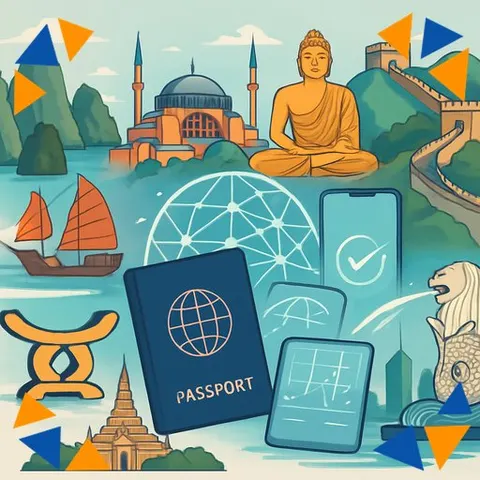
How Vietnam, Turkiye, Sri Lanka, China, Singapore, Ghana, and Thailand Are Supercharging Tourism in 2025
In 2025, the tourism landscape is being transformed by seven countries—Vietnam, Turkiye, Sri Lanka, China, Singapore, Ghana, and Thailand—that are redefining what it means to travel. These nations are moving beyond traditional tourism approaches by embracing visa-free travel, immersive digital experiences, and purpose-driven policies. The result is a fresh, dynamic industry that appeals to modern travelers seeking flexibility, technology, and meaningful engagement.
Visa-free access now acts as a powerful gateway, inviting spontaneous trips and longer stays. Meanwhile, digital innovations such as augmented reality heritage tours and AI-enhanced hospitality are elevating visitor experiences. These countries are blending their rich cultural heritage with cutting-edge technology to create journeys that are both seamless and soulful.
Their combined strategies demonstrate that tourism can be borderless and bold, offering travelers smart, authentic, and sustainable options. From ancient temples to futuristic smart cities, these destinations are setting new standards for global travel.
Country-Specific Transformations Powering Tourism Trends
Vietnam: Visa-Free Access and Secondary City Growth
Vietnam has expanded visa-free entry for European, ASEAN, and select North American travelers, alongside an efficient e-visa system covering more than 80 countries. This has sparked an upsurge in regional tourism. However, instead of focusing solely on Hanoi and Ho Chi Minh City, Vietnam is actively promoting secondary cities like Da Nang, Hoi An, and Ninh Binh.
New luxury beach resorts and digital nomad hubs in these areas encourage longer stays and help manage tourist distribution sustainably. This approach balances increasing visitor numbers with environmental and cultural preservation.
Turkiye: Shifting Focus to Antalya and Space-Age Tourism
Turkiye is redirecting tourism momentum from Istanbul toward destinations like Antalya and Cappadocia. These regions benefit from aggressive domestic marketing and new direct flights connecting Europe, the Gulf, and Asia. Beyond traditional attractions, Turkiye is pioneering space-adjacent tourism by partnering with space tech companies to offer near-space balloon experiences over Mount Ararat, targeting adventurous travelers.
Sri Lanka: Wellness Revival and Remote Work Opportunities
Emerging from recent economic and political challenges, Sri Lanka is reinventing itself as a wellness hotspot and remote work destination. Beachside Ayurvedic retreats in Galle, tea estate accommodations in Ella, and surf-and-yoga communities in Arugam Bay attract wellness-focused travelers from Europe and Asia.
Colombo and Kandy now offer remote work visas, appealing to digital professionals seeking affordable, tranquil environments with rich cultural experiences.
China: Digital Visa Reforms and Hyper-Personalized Travel
China has eased travel with a 144-hour visa-free transit for over 60 nationalities and introduced AI-powered immigration technology. High-speed rail networks and tech ecosystems in Shanghai, Chengdu, and Shenzhen streamline movement across cities.
AI chatbots, digital cultural guides, and augmented reality tours at locations like Xi’an and the Great Wall provide highly personalized and interactive visitor engagement.
Singapore: Asia’s Bleisure Hub
Singapore continues to lead the bleisure (business + leisure) trend through efficient transportation, world-class conference facilities, and visa extensions. The opening of Changi Airport’s Terminal 5 introduces biometric gates that speed up arrivals.
Hotels such as Marina Bay Sands and Sentosa now offer integrated remote-work spaces. Event planners encourage multi-day workcations, increasing average tourist stays by over 30%.
Ghana: Heritage and Diaspora Tourism
Ghana is expanding heritage tourism with genealogy travel packages developed alongside ancestry platforms. Visitors from the U.S., the Caribbean, and the UK embark on emotional journeys tracing their roots at Elmina Castle, Kakum National Park, and Ashanti festivals.
This model is gaining attention across Africa as an effective way to deepen cultural tourism.
Thailand: Wellness Sanctuaries and Regenerative Tourism
Thailand has embraced regenerative tourism as a core strategy. In Chiang Mai and Koh Phangan, eco-resorts run by local communities offer detox retreats, mindfulness programs, and conservation volunteer opportunities. The country is shifting away from party-centric tourism toward wellness and sustainability.
With global wellness tourism projected to reach $1 trillion by 2027, Thailand is positioning itself as a leading spiritual and health-focused destination.
A Borderless, Purpose-Driven Future for Tourism
The tourism industry in 2025 is characterized by agility, inclusion, and intentionality. Vietnam, Turkiye, Sri Lanka, China, Singapore, Ghana, and Thailand demonstrate that visa-free policies combined with technology and cultural authenticity can create transformative travel experiences.
Travelers are evolving into digital nomads, wellness seekers, and cultural explorers who demand more than passive sightseeing. They want journeys that enrich and inspire.
For those working in hospitality and events, understanding these trends is crucial. Integrating digital tools, supporting visa flexibility, and offering meaningful experiences will be key to meeting the expectations of tomorrow’s traveler.
- Learn more about the future of digital tourism: UNWTO Digital Transformation in Tourism
- Insights on wellness tourism growth: Global Wellness Institute Industry Research