
AI news ·
Insurance Industry Sees Surge in Demand for AI Error Coverage as Businesses Face New Risks
As AI adoption grows, so does the risk of errors causing financial and reputational harm. Demand for insurance covering AI-related liabilities is gaining momentum across industries.
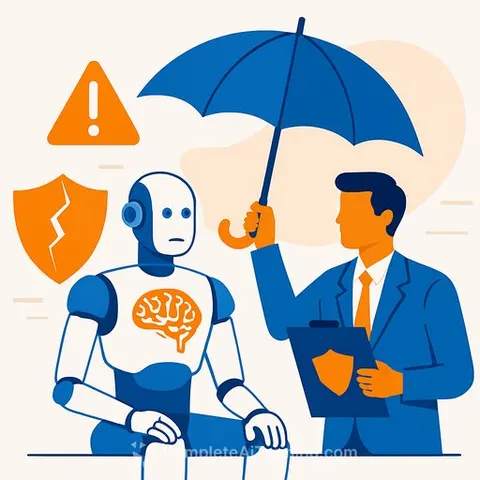
Demand for AI Error Insurance on the Rise
Enterprises across industries are increasingly integrating AI into their operations, drawn by the promise of time savings and reduced costs. However, as AI adoption grows, so does the risk of liabilities arising from AI malfunctions or erroneous outputs. This shift has sparked interest in insurance products that cover losses linked to dysfunctional AI.
A recent poll by GlobalData highlights this trend. While personal cyber insurance remains the top choice for 61.3% of respondents, insurance covering cryptocurrencies (44%) and liabilities from faulty AI outputs (40%) are gaining notable attention. As businesses race to embed AI into core functions, demand for protection against AI-related errors is expected to climb.
Why AI Insurance Matters
AI technology has improved significantly but still faces challenges like algorithmic bias, privacy issues, and “hallucinations” — fabricated information generated by AI tools. Such flaws can lead to financial loss and reputational harm.
Current insurance options for AI errors are limited, but that’s changing. Lloyd’s of London recently introduced an insurance product through the startup Armilla. This policy covers losses caused by underperforming AI chatbots, protecting businesses from court claims if customers or third parties are harmed. Importantly, payouts require proof that the AI tool performed below expected standards, not just that a mistake occurred.
Real-World Cases Highlight the Need
- In early 2025, Virgin Money apologized after its chatbot reprimanded a customer for using the word “Virgin” in a query.
- In 2024, a tribunal ruled that Air Canada had to honor a discount erroneously offered by its chatbot and cover the traveler’s legal fees.
- That same year, courier DPD disabled part of its chatbot after it insulted a customer and criticized the company.
These examples underline the risks AI errors pose across sectors — risks that could be mitigated with tailored insurance coverage.
Challenges and Opportunities for Insurers
The rise of AI insurance signals recognition of new liabilities that traditional policies don’t cover. AI systems evolve over time, making mistakes inevitable. Pricing these risks is difficult due to limited historical data and the fast pace of AI development.
Insurers who act quickly and accurately price these emerging risks will position themselves as leaders in this growing market. For professionals focused on insurance product development, staying informed about AI’s impact and these evolving coverage needs is essential.
For those interested in understanding AI’s role in business and risk, exploring specialized AI training can be valuable. Resources like Complete AI Training’s latest courses offer insights into AI tools and automation relevant to risk management and insurance.