
AI news ·
Keeping Education Human in the Age of AI
AI is changing education by handling tasks like tutoring and exams, but this risks losing the human core of learning. Schools must focus on critical thinking, collaboration, and democracy.
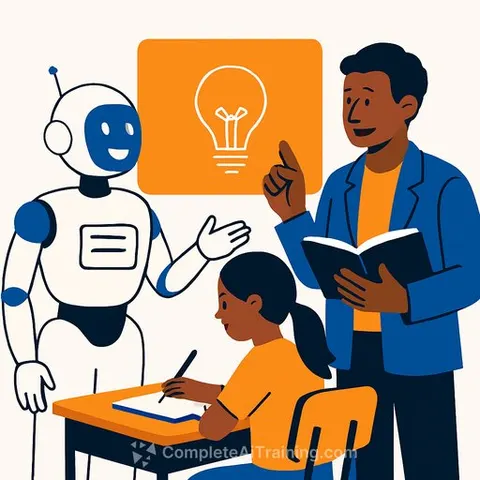
AI Is Changing Education — But Not Always for the Better
As AI tools become more capable, they're taking on tasks once reserved for human thinking. From personalized tutoring to acing exams, AI is showing it can handle a lot of academic work. This shift is happening fast, and it’s clear that AI is here to stay in education.
The real concern isn’t that AI can process information faster or better than students. The problem is that we risk letting machines—and the political debates around them—define what education should be. If we focus only on beating AI at its own game, we lose sight of what school should truly be about.
Students Are Disengaged, and AI Isn’t Solving That
Recent data shows only about one in three students is actively engaged in school. Teachers see this disengagement firsthand. Many students go through the motions without real involvement, while teachers juggle crises and try to keep everyone afloat. It’s more triage than teaching.
AI tools can easily complete assignments that require original thought—book analyses, historical critiques, policy arguments—you name it. One test showed AI scoring near-perfectly on a final exam designed by a professor. Some instructors have even reverted to handwritten exams to counter AI use.
Educators struggle to create assignments that AI can’t simply complete. This challenge reveals a deeper issue: AI challenges the traditional ways we assess student learning.
Rethinking the Purpose of School
Should education double down on job training? That approach seems short-sighted. The labor market will continue to change as AI advances. Relying solely on credentials to secure future jobs is unlikely to be effective.
Instead, education should focus on teaching students how to live together in a democratic society. Learning facts isn’t enough. Schools must be places where students learn participation, critical thinking, and collaboration. They need safe spaces to fail, debate, and build community.
Teachers as Guides, Not Just Content Providers
In this approach, teachers facilitate meaning rather than just deliver information. They help students learn how to argue constructively, understand their role in society, and find purpose alongside peers. These human skills cannot be replicated by AI.
Unfortunately, current education systems often emphasize testing and job metrics over these deeper lessons. Parents and communities also have a vital role in supporting education that fosters democratic engagement and social skills.
Protecting the Human Core of Education
If AI sets the limits of teaching, education risks becoming hollow. Students might consume content efficiently but miss out on collaboration, curiosity, and creativity—the messy, human parts of learning.
In a future shaped by machines, the most important thing schools can teach is how to be human—together. The goal isn’t to outsmart AI, but to keep education human enough to prepare students for life, not just work.
For educators looking to understand AI’s impact on teaching and learning, exploring quality resources on AI in education can help. For example, Complete AI Training offers courses on AI tools like ChatGPT that can support teachers in adapting their strategies effectively.