
AI news ·
Luxid launches AI-driven AR and VR platform for hotel sales
Luxid launched an AI-powered AR and VR platform to help hotels sell high-revenue event spaces virtually. The tool replaces physical site visits to speed up bookings.
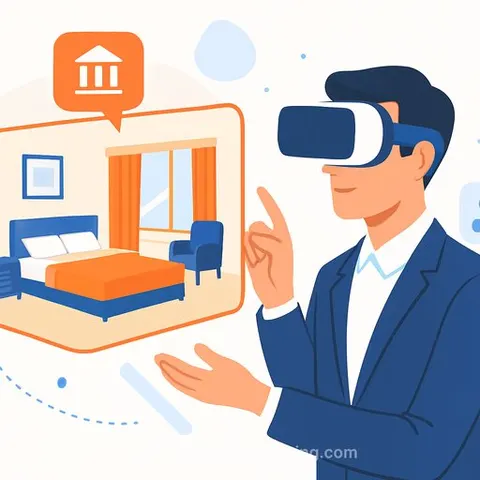
Luxid has introduced an AI-powered augmented reality (AR) and virtual reality (VR) platform designed to support enterprise sales for hotels, targeting high-revenue event segments like MICE, destination weddings, and large banquets where time-consuming sales processes have long been a bottleneck.
Traditionally, hotel sales for large events rely on physical site visits, multiple presentations, and rounds of client engagement. These steps can delay bookings and limit a property's ability to serve clients beyond its immediate region. The new platform aims to replace or reduce the need for repeated travel by moving the venue discovery online.
Digitizing the venue discovery process
Prospective clients-corporate planners and event organizers-can now explore banquet halls, meeting spaces, guest rooms, and outdoor venues virtually. They can compare layouts, visualize event setups, and assess branding opportunities without visiting the site. The system includes wearable technology components for immersive presentations and supports real-time collaboration between hotel teams and clients during the planning stage.
The company indicates that the platform may help reduce the need for repeated site visits and support faster decision-making. This approach to using AI to accelerate sales processes is a strategy that dovetails with the principles taught in AI for Sales. It also enables hotels to engage with clients across different geographies, potentially expanding outreach beyond local markets.
AI tools for content creation
Luxid is developing a software development kit (SDK) and an AI-based content creation system that let hotel teams build and update AR and VR presentations for different venue configurations themselves. This reduces dependence on external visualization services and allows for quicker updates, especially after renovations or layout changes. The tools are designed to put content creation directly in the hands of sales and events staff.
Industry observers note growing adoption of immersive technologies in hospitality, with AR, VR, and AI being used to improve customer engagement and operational efficiency. The MICE and events segment, in particular, sees these tools as a way to stand out in a competitive market. This shift aligns with the practical applications explored in AI for Hospitality & Events.
Siddhant Aggarwal, Founder of Luxid, said, "The future of hospitality sales lies in creating meaningful experiences before a customer even visits the property. Our AI-powered AR and VR platform enables hotels to engage clients through immersive presentations that make decision-making faster, more collaborative and highly personalized. We believe technology should enhance relationships, not replace them, while helping hotels scale enterprise sales more efficiently."
As hotels continue to invest in digital tools, platforms that enable remote visualization and interactive planning are likely to influence how enterprise bookings are evaluated. Luxid's offering reflects a broader shift toward integrating digital solutions into hospitality sales workflows, with a focus on scalability and client engagement.
Why this matters for hospitality and events professionals
For hotel sales and events teams, the platform addresses a concrete pain point: the time and cost of site visits that often delay closing high-value contracts. The ability to offer immersive, AI-updated virtual tours can shorten sales cycles and expand a property's geographic reach. Professionals who adopt these tools may find they can respond faster to RFPs and deliver more personalized pitches, directly impacting revenue. As AI-driven presentation tools become more common, familiarity with such platforms could become a competitive advantage for sales and event managers.