
AI news ·
National commission proposes strict oversight for AI in healthcare
A National Commission blueprint proposes deploying healthcare AI under strict human oversight and phased rollouts, requiring real-world performance data before reducing supervision.
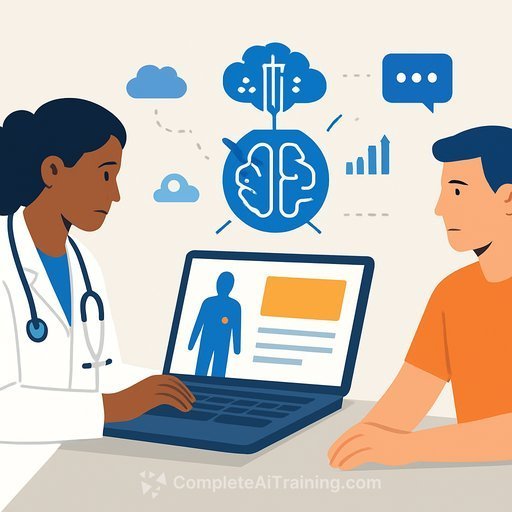
A National Commission blueprint released Thursday outlines a framework for deploying new AI models in healthcare under strict supervision and tight guardrails. The approach aims to let these systems demonstrate real-world safety and performance before wider rollout, addressing long-standing concerns about patient risk and algorithmic bias.
The proposal comes as health systems face mounting pressure to adopt AI tools for clinical decision support, administrative tasks, and diagnostic assistance. Regulators and provider organizations have struggled to balance innovation speed with patient safety requirements.
A supervised deployment model
The blueprint calls for a phased introduction of AI models into clinical settings. Each deployment would begin with close human oversight, where clinicians review and validate AI-generated recommendations before they reach patients. Performance data collected during this period would determine whether a model can operate with reduced supervision.
Guardrails include mandatory accuracy thresholds, regular bias audits, and clear escalation paths when a model produces uncertain or contradictory outputs. The framework does not specify which regulatory body would enforce these standards, though the Commission indicated it expects collaboration between federal agencies and state-level health authorities.
Real-world evidence over lab benchmarks
A central argument in the blueprint is that laboratory testing alone cannot predict how AI systems perform in busy emergency departments, understaffed clinics, or rural hospitals with limited connectivity. The Commission emphasizes collecting performance data from actual clinical workflows, with diverse patient populations and real-world data quality issues.
This mirrors concerns raised by health systems that have piloted AI tools only to find accuracy drops when moving from curated test datasets to live electronic health record data. The blueprint recommends minimum monitoring periods and standardized reporting metrics so hospitals can compare results across vendors.
Why this matters for healthcare professionals
For clinicians and healthcare administrators, this framework signals that AI adoption will not be a switch-flip event. You should expect incremental rollouts where your judgment remains central - and where you may be asked to document AI interactions more rigorously than current workflows require. Understanding how to evaluate AI for Healthcare applications, including their limitations and failure modes, will become a core competency rather than an optional skill.
For billing and administrative staff, the shift toward supervised AI tools will likely change documentation requirements and claims workflows. Training paths like AI for Medical Billers can help teams prepare for the coding and compliance implications as AI-assisted decisions face greater scrutiny during audits and reimbursement reviews.