
AI news ·
Nigeria Leads the Charge: Safeguarding Press Freedom and Ethical Journalism in the AI Era
Nigeria champions press freedom amid AI's rise in journalism, promoting ethical AI use and media literacy through new policies and international collaboration.
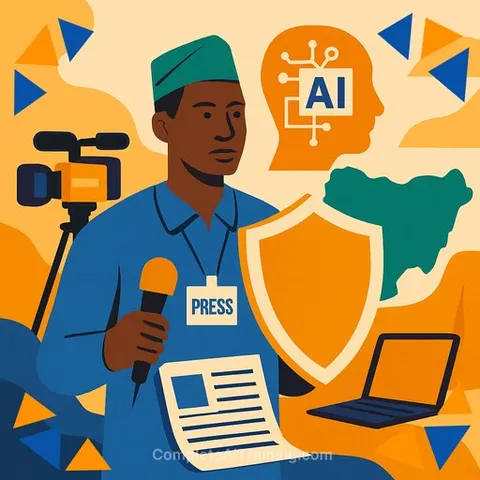
Nigeria's Strong Stand on Press Freedom Amid AI Advances
Artificial intelligence is transforming journalism globally, and Nigeria is stepping up to ensure press freedom, ethical reporting, and media literacy keep pace with this change. The country reaffirmed its commitment at the 2025 World Press Freedom Day event hosted by Konrad Adenauer Stiftung (KAS) and the Centre for Journalism Innovation and Development (CJID) in Abuja.
Key Focus: AI's Impact on Journalism
The event revolved around the theme, “Reporting in the Brave New World – The Impact of Artificial Intelligence on Press Freedom and the Media.” The Honourable Minister of Information and National Orientation, Mohammed Idris, delivered a keynote speech emphasizing AI’s double-edged nature in journalism. While AI can speed up reporting, enhance data analysis, and support investigations, it also introduces risks to journalistic integrity, accuracy, and democracy.
Nigerian newsrooms are already integrating AI tools, but Minister Idris urged caution. Concerns about misinformation, bias, and transparency demand an ethical approach to AI adoption in media.
Concrete Steps Toward Media Literacy and Ethical AI Use
Minister Idris announced Nigeria’s plan to host the UNESCO Category Two International Media and Information Literacy Institute at the National Open University of Nigeria (NOUN). This institute, with funding approved by President Bola Ahmed Tinubu and international backing, will serve as a global center for promoting responsible media practices and critical thinking in the digital era.
Additionally, Nigeria is working on a national policy framework to guide AI use in media. This policy will encourage innovation while safeguarding press freedom and ethical journalism.
Call for Collaboration Across Sectors
The Minister highlighted the need for cooperation between journalists, media houses, technologists, policymakers, and civil society. Together, they should establish ethical guidelines, invest in AI training, ensure content transparency, and boost media literacy nationwide.
“As we embrace AI-powered journalism, our collective responsibility is to ensure freedom of the press is strengthened, not weakened,” Minister Idris said. “This is not man versus machine—but man with machine, working for the public good.” He was represented at the event by Dr Suleiman Haruna, Director of Public Relations and Protocol at the Federal Ministry of Information and National Orientation.
Support from International Partners
Marija Peran, Resident Representative of Konrad Adenauer Stiftung, spoke on AI’s growing influence on journalism and the urgent need to protect media independence worldwide. She acknowledged AI’s role in boosting journalistic efficiency but warned of risks like misinformation and loss of public trust.
“As a global organization committed to democracy and good governance, KAS supports the media in finding this balance,” Peran said.
Engaging Key Stakeholders
The event brought together important figures including Hon. Akintunde Rotimi Jr., Chairman of the House of Representatives Committee on Media and Public Affairs, along with representatives from media organizations, civil society, and international partners.
For PR and communications professionals, Nigeria’s approach offers valuable insights on integrating AI responsibly while upholding media ethics and freedom. Staying informed about such developments is crucial for adapting strategies in an AI-influenced media environment.
To explore AI skills and tools relevant to media and communications, consider visiting Complete AI Training’s latest AI courses.