
AI news ·
PTC's FlexPLM adds AI tech pack automation to speed concept-to-sample
PTC adds AI to FlexPLM to turn design drawings into production-ready tech packs. It auto-fills BOMs and measurements, cutting errors and speeding sampling and costing.
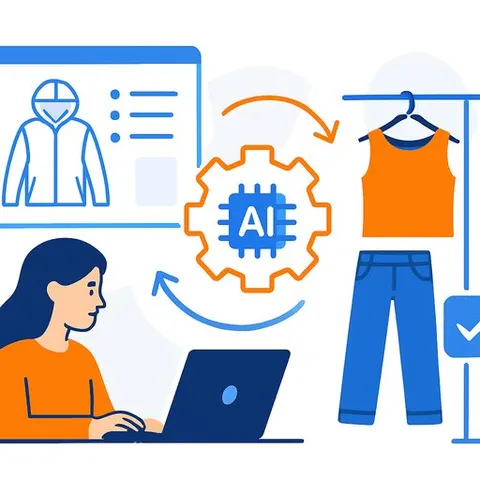
PTC Adds AI to FlexPLM: Faster Tech Packs, Fewer Errors
January 9, 2026 - Category: Company and Product News
PTC introduced new AI capabilities for FlexPLM that automate tech pack creation. If your team spends hours translating sketches into specs, this targets that bottleneck directly.
Why this matters for product development
Tech packs are high-friction work. Manual entry across bills of materials, measurements, and construction details invites errors, slows sampling, and drags out costing cycles.
FlexPLM now uses AI to extract data from design drawings and build production-ready specs automatically, supporting modern Design workflows. Less typing, fewer handoffs, and cleaner data from day one.
What's new
- Automated tech pack creation from design drawings.
- Auto-population of key spec elements: bills of materials, measurements, construction details, attributes, and colorways.
- Reduced rework and development costs linked to manual data entry errors.
- Faster movement from concept to sample with shorter sampling and costing cycles.
These capabilities extend PTC's Intelligent Product Lifecycle approach-combining structured product data with AI to streamline decisions and workflows across early design through downstream development.
For an overview of the platform, see PTC FlexPLM (official site). If you need a refresher on how a bill of materials underpins cost and sourcing, here's a quick reference (BOM).
Where it fits in your workflow
Traditionally, design hands off sketches, development builds specs, then both teams reconcile differences. Every pass adds delay and risk. With AI-driven extraction, core data lands in the PLM record early and consistently, improving speed and traceability for sampling, costing, and supplier communication.
What product leaders can do next
- Standardize your design inputs: agree on supported formats (vector files, CAD exports) and annotation conventions.
- Tighten your taxonomies: BOM components, measurement libraries, construction terms, and color standards.
- Clean up legacy data: remove duplicates, normalize attributes, and set default values to reduce model confusion.
- Map integrations: ensure PIM/ERP/PLM fields align for seamless downstream use.
- Define exception paths: decide how the system flags ambiguous sketches and who resolves them.
- Prep your team: brief designers and developers on how to review and correct generated tech packs.
Metrics to track
- Tech pack cycle time (sketch-to-spec hours).
- First-pass accuracy (fields accepted without edits).
- Sample iteration count before approval.
- Cost variance from initial estimate to final BOM.
- Rework rate tied to data entry errors.
Pilot plan (4-6 weeks)
- Select 1-2 product categories with clear measurement and construction standards.
- Define a "golden" tech pack template for each category.
- Baseline current cycle times and error rates.
- Run side-by-side production for a subset of styles; review AI-generated outputs daily.
- Capture edits as training feedback; tighten rules and libraries.
- Roll out in waves once first-pass accuracy clears your threshold.
Broader impact
Automating structured data creation at the sketch stage improves responsiveness to trend shifts, supports supply chain visibility, and sets you up for sustainability reporting and regulatory needs. The goal: faster decisions with fewer surprises-without sacrificing data integrity.
If your team is building AI fluency for product work, explore the AI Learning Path for Training & Development Managers.
Bottom line: treat AI-generated tech packs as a force multiplier for your developers. Good inputs, tight standards, and fast feedback loops will translate into real cycle-time wins.